Oil Crosses $110: How India’s Rupee and Russian Oil Strategy Face Pressure
Oil above $110 is putting pressure on India's rupee, bond yields and Russian oil strategy, raising fresh questions about energy security and economic stability.

- Published
- Reading time
- 4 minutes
Crude oil has crossed $110 a barrel, and the impact is spreading beyond energy markets. The Hormuz blockade and attacks on Saudi Arabia’s Red Sea oil infrastructure have intensified concerns about global supplies. For India, the pressure is appearing in the rupee, government bond yields and the Russian oil strategy that helped manage energy costs over the past two years.
This is bigger than an oil-price story. The disruption connects energy security with global inflation, US interest-rate decisions, foreign investment and the political influence of oil-producing countries. India must protect its economy while maintaining the freedom to choose its international partners.

Why $110 Oil Hits India Harder Than Almost Anyone
India imports close to 90% of the crude oil it consumes. When prices rise, the country must spend more dollars to secure energy supplies. That increases the import bill, pressures the rupee and raises costs for businesses dependent on fuel and imported materials.
Higher oil prices can increase transportation, manufacturing and logistics costs. Companies may pass these expenses to consumers, adding to inflation, or absorb them and accept lower margins. Households could also have less money available for other spending.
The Rupee Is Near ₹95, and the Dollar Adds Another Complication
The rupee closed at ₹94.94 against the US dollar on Friday, October 23. Rising crude prices and global uncertainty remain risks for the currency. The Reserve Bank of India can intervene to limit excessive volatility, but it cannot control oil prices or the dollar’s direction.
India needs more dollars when oil becomes expensive, while global investors may favour dollar assets when US interest rates remain attractive. This can make it harder for emerging-market currencies to strengthen.

India’s Russian Oil Strategy Is Losing Its Biggest Price Advantage
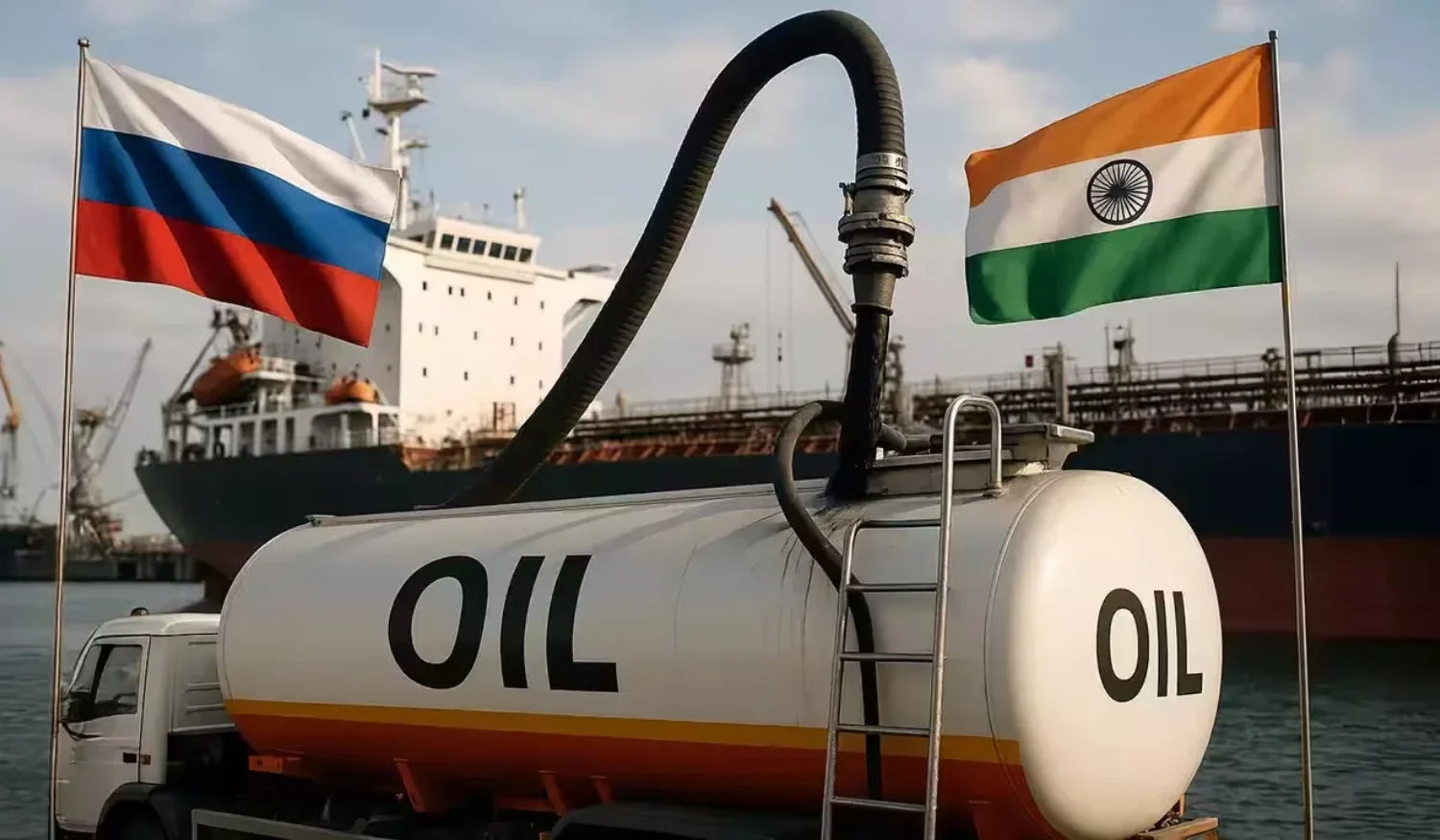
For two years, discounted Russian crude has helped India manage energy costs while maintaining strategic independence. Despite diplomatic pressure from Western countries, India continued purchasing Russian oil because it offered a commercial advantage alongside its geopolitical value.
That advantage has narrowed. Russian crude prices depend on global supply, shipping costs, insurance and alternative supplies. When discounts shrink, refiners must compare delivered costs rather than assume Russian oil will automatically be cheaper.
This does not mean India has abandoned Russian oil. However, when Middle Eastern alternatives become more competitive, purchasing decisions can change even if diplomatic relationships remain important.
Strategic autonomy gives India freedom to choose its partners, but that freedom does not guarantee an economic advantage. Global energy prices can change the cost of foreign-policy choices without changing the policy itself.
Rising Bond Yields Are Making the Economic Pressure More Expensive
India’s benchmark 10-year government bond yield closed at 7.474% on October 23, marking its tenth consecutive weekly increase. Oil-related inflation concerns have weighed on the market, alongside domestic liquidity, global bond movements and interest-rate expectations.
Bond prices and yields move in opposite directions. When investors sell bonds, prices fall and yields rise. Higher yields can increase government borrowing costs and influence financing rates across the economy.
For businesses, expensive borrowing combined with higher energy costs can make expansion difficult. For the government, higher interest payments can leave less flexibility for other spending. If inflation remains elevated, the RBI may also have less room to reduce interest rates.
Foreign Investment and Employment Could Feel the Next Round of Pressure
The oil shock is unfolding amid uncertainty in global financial markets. Investors compare returns across countries, considering currency movements, interest rates, company earnings and geopolitical risks. When the dollar strengthens and oil becomes expensive, some may become more cautious about emerging markets.
Employment is another part of the chain. Energy-intensive businesses and companies dependent on imported materials may face higher operating costs. If they cannot pass those costs to customers, profit margins can shrink, potentially affecting expansion and recruitment.
The impact will differ by industry. Energy producers may benefit from higher prices, while transport, aviation and other fuel-intensive sectors may face greater pressure. Employment effects will depend on how long the shock lasts and how companies respond.
The Bigger Question: How Much Will India Pay for Energy Security?
Oil above $110 increases pressure on India’s import bill. Currency weakness can make imports more expensive, while rising bond yields increase borrowing costs. Meanwhile, Russian crude is no longer guaranteed to provide the financial cushion it once did.
The crisis reveals how closely energy markets connect with global power politics. Shipping routes, sanctions and supply decisions influence diplomatic relationships, while US monetary policy and investor behaviour transmit pressure into domestic markets.
A prolonged disruption could affect household budgets, business investment and hiring, although the outcome will depend on how the crisis develops.