Delhi Shutdown: How One Protest Disrupted a Whole City
Delhi blocked a protest over voter-roll revisions, with Metro closures, train cancellations and thousands detained. Business losses were estimated at ₹2,000 crore.

- Published
- Reading time
- 5 minutes
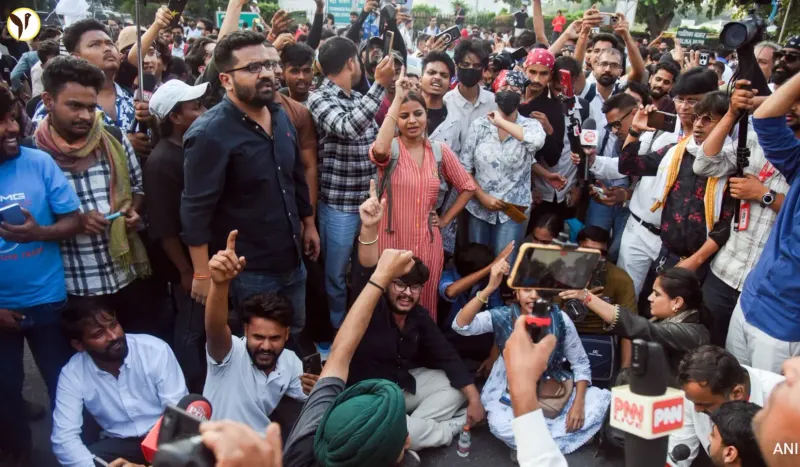
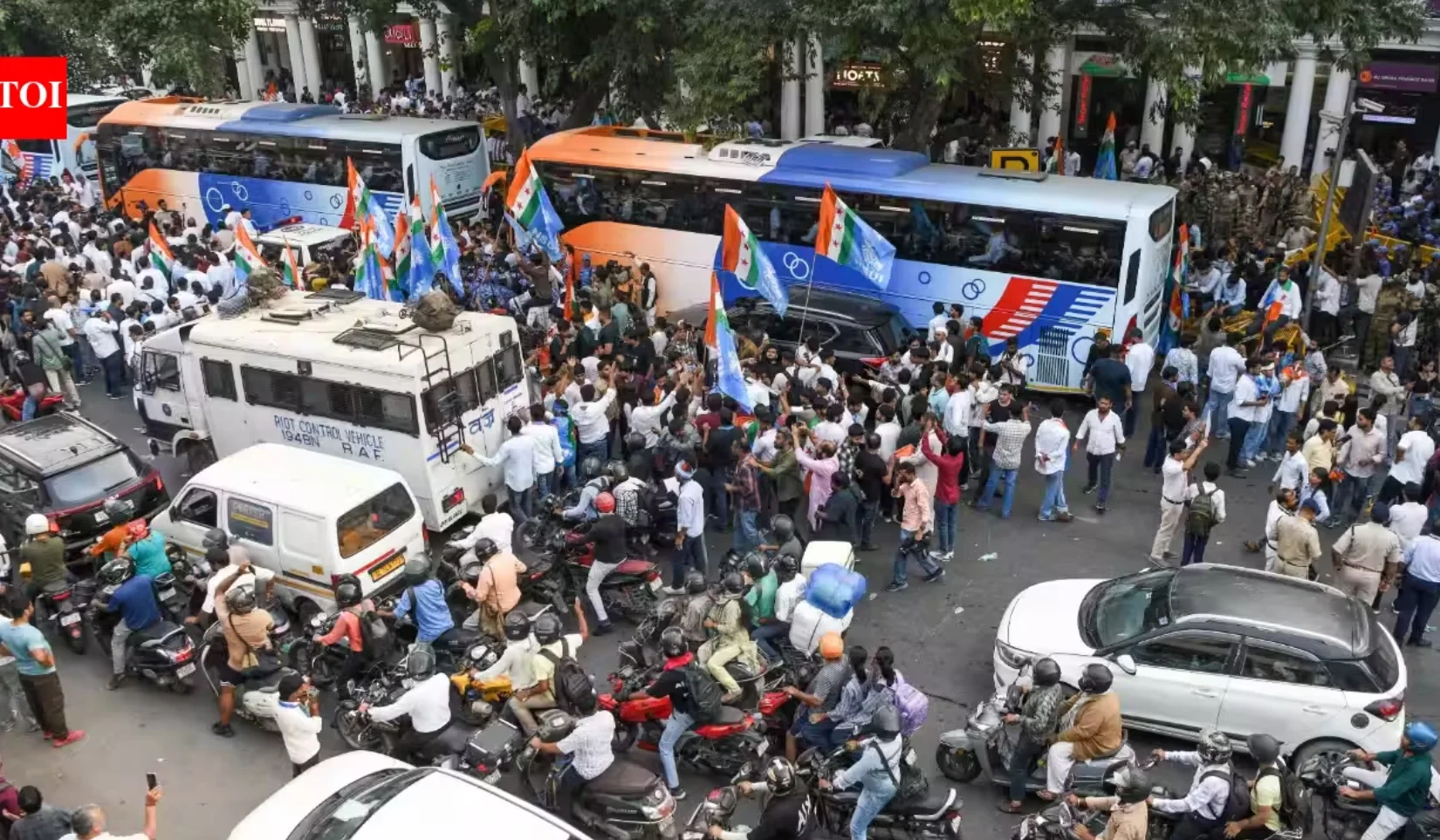
On 10 October, Delhi Police locked down large parts of the capital before a single protester could gather. Metro gates sealed, trains cancelled, a YouTuber picked up from his home before sunrise. The trigger was a protest against the Election Commission over its voter-roll revision process. Here's what happened, what it cost the city, and who got swept up in it.
A Protest That Never Got to Start
A youth-led outfit called the CJP, born out of frustration over governance among young Indians, called a march to Jantar Mantar demanding the resignation of Chief Election Commissioner Gyanesh Kumar. Delhi Police denied permission outright, citing law-and-order concerns, and spent the day intercepting people before they could reach the venue rather than dispersing a crowd after the fact.
- 2 Oct: CJP's nationwide agitation begins in Mumbai, backed by Shiv Sena (UBT); Left parties run a parallel week-long protest.
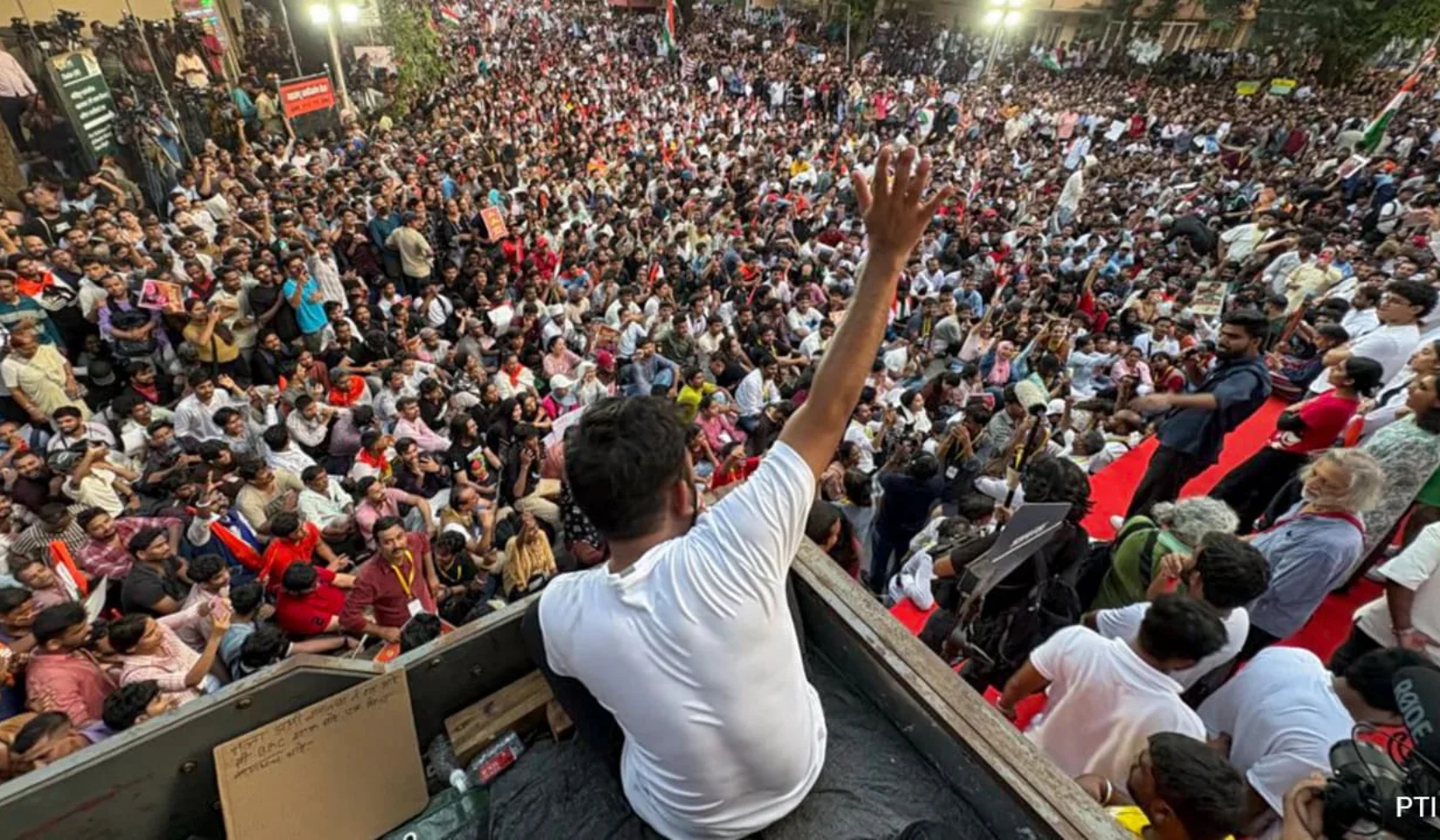
- 10 Oct, pre-dawn: Around 50 police personnel detain YouTuber Dhruv Rathee at his Gurugram home, hours before the march was due to start. CJP's legal head, Ratna Singh, is detained separately at her Delhi residence.
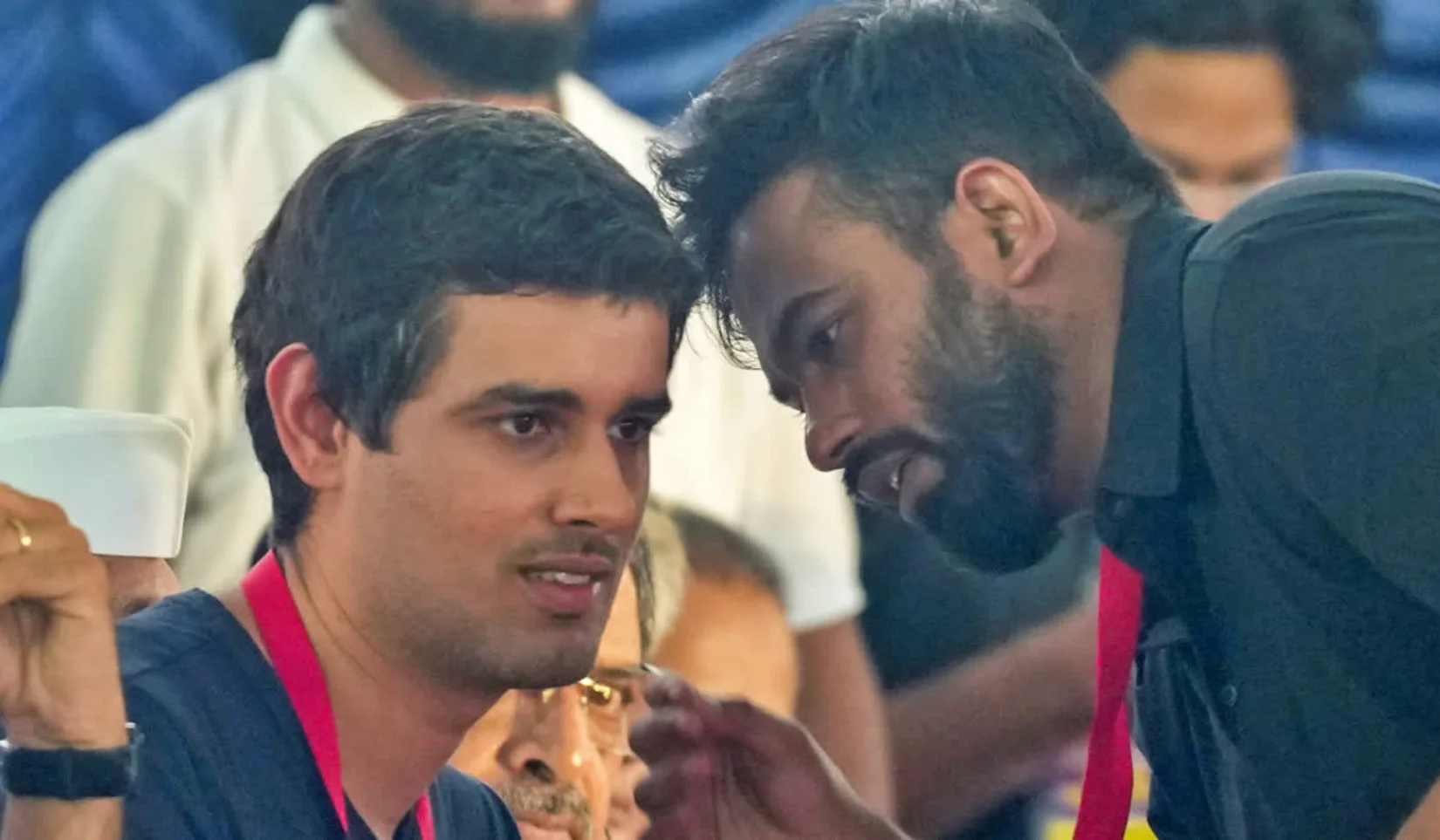
- 10 Oct, 10:19 am: CJP founder Abhijeet Dipke and co-leaders Saurav Das and Ashutosh Ranka are detained by police who boarded their flight the moment it landed at Delhi airport, before they could even disembark.
- 10 Oct, through the day: Activists Yogendra Yadav and Prashant Bhushan, CPI(M) chief M.A. Baby, and opposition leaders including Mamata Banerjee, Arvind Kejriwal, Manish Sisodia and Pinarayi Vijayan are all detained in Delhi. Tushar Gandhi is picked up separately in Mumbai. Total detentions climb past 7,000 by night.
- 10 Oct, night: Nearly everyone is released, except the three CJP leaders detained at the airport.
- 11 Oct: The remaining leaders are released by a magistrate's court.
The City That Shut Itself Down to Stop a March
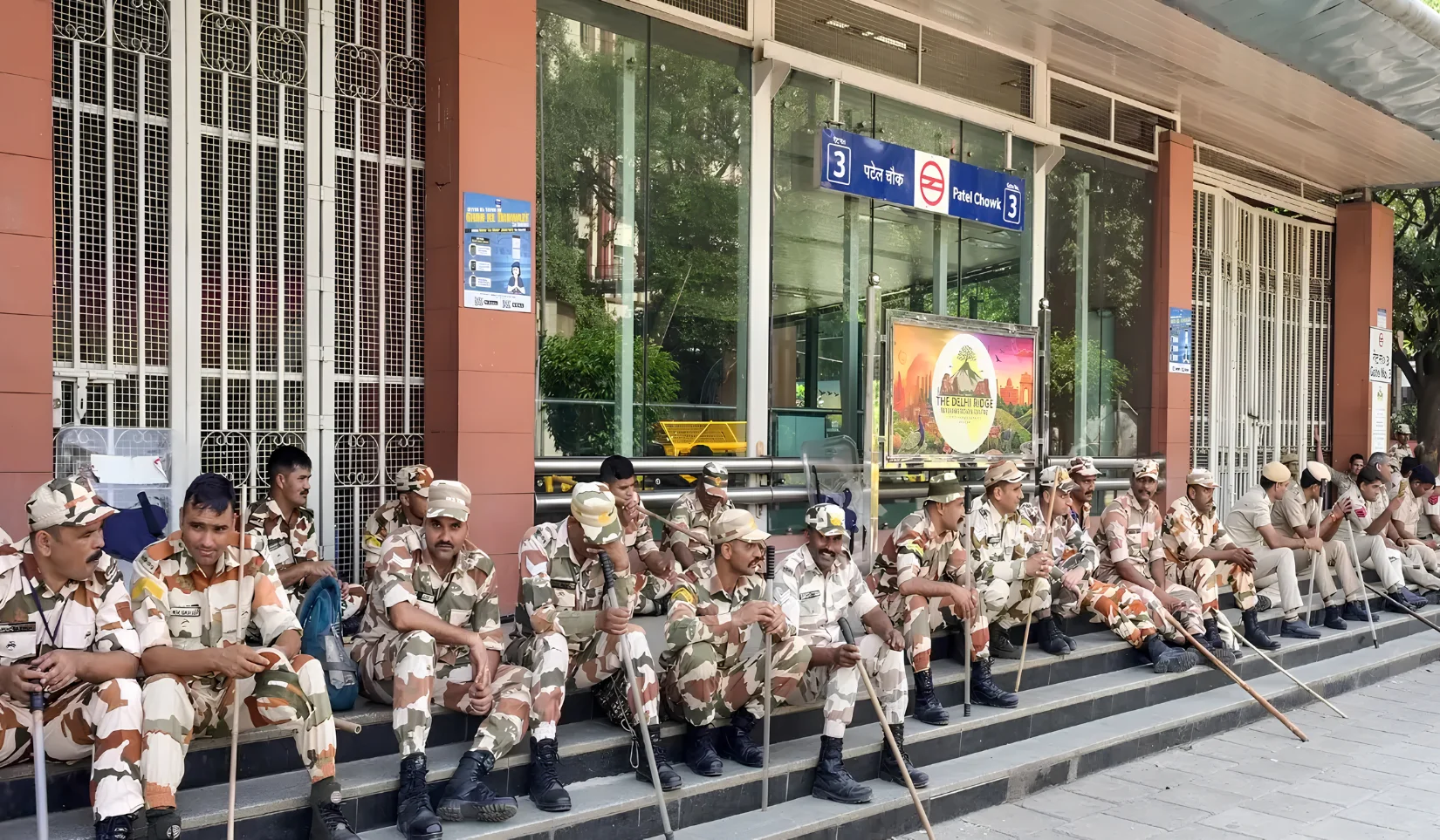
This wasn't a protest that turned chaotic and forced a shutdown afterward. The shutdown came first, as prevention. Delhi Police asked the Metro to close entry and exit gates at 57 stations, including Rajiv Chowk, Central Secretariat and Supreme Court, starting the night before the march was even due to happen, and to cut train frequency elsewhere. Indian Railways cancelled all Mail and Express trains into New Delhi and Hazrat Nizamuddin stations from 4 am to 2 pm, with some cancellations starting the evening before. The result, for an ordinary commuter with nothing to do with the protest, was a city that felt locked from the inside.
What the Day Actually Cost
The clearest figure comes from a traders' body, which estimated around ₹2,000 crore in affected business across Delhi on 10 October alone, spanning retail, hospitality, transport and tourism. A separate estimate put Connaught Place's loss alone at ₹150-200 crore. A comparable city-wide shutdown last year was pegged at around ₹1,500 crore, so this one looks worse, and it landed just before the festive shopping season, when retailers typically do their best business of the year.
What this figure doesn't capture is just as telling. There's no public number for how much the Metro itself lost in fare revenue from 57 closed stations and reduced frequency across the network. There's no number for Indian Railways' losses from cancelling trains system-wide for ten hours. And there's no estimate at all for what it cost the government to deploy the police personnel, barricades and coordination needed to intercept protesters at an airport, a residential sector in Gurugram, and dozens of points across the city, before a single person had reached Jantar Mantar. These are real costs. They're just the ones nobody adds up and announces.
The Number Nobody Can Actually Give You
No credible count exists of what a day without transport cost ordinary working people, and none should be assumed. Daily-wage workers, cab and auto drivers, hotel staff and delivery workers lost a day's income when the city seized up, a real but unmeasured cost that trade-body figures don't capture. The deeper irony is worth sitting with: the CJP movement itself grew out of frustration over jobs and governance among India's youth. A protest born from economic anger got shut down in a way that cost ordinary earners a day's wages, and nobody is tallying that bill either.
Who's Saying What
Congress president Mallikarjun Kharge led the sharpest attack, accusing the Centre of turning the "Mother of Democracy" into a "Muzzled Democracy," while Rahul Gandhi went further and predicted the fall of both the CEC and the Modi government over the issue. Samajwadi Party chief Akhilesh Yadav backed the CJP's protest directly, warning the BJP government on social media that trying to suppress the movement by force "would be a major mistake" and that "the country will gather in Delhi" regardless. NCP's Supriya Sule separately called the detention of CJP leaders "unconstitutional."
The government side dismissed the protest as a flop engineered by anarchist, foreign-backed elements, while over a hundred retired civil servants publicly backed the Election Commission's process. The Supreme Court, caught between the two, remarked that authorities couldn't "bring everything to a halt" over a protest, and ordered a review of the detentions, transport curbs and the shutdown's reach.
The Next Flashpoint: October 12
This isn't over. Kharge and Rahul Gandhi have secured a meeting with the Chief Justice of India on 12 October to formally raise two separate but linked complaints: irregularities in the Election Commission's conduct, and the police curbs used to block Saturday's protest. That meeting is the most concrete thing to watch, because it moves the fight from the streets into a forum that can actually order something to change.