Hormuz Is Reopening, But Why Are India’s Fuel Prices Still High?
Hormuz is reopening and crude is moving again, but fuel prices remain high as refining shortages, LPG costs and India’s oil bill add pressure.


- Published
- Reading time
- 5 minutes
For seven months, the Strait of Hormuz, the narrow sea gate carrying a fifth of the world's oil, has been shut because of the Iran war. This week brought a peace offer, a flat rejection, and the clearest sign yet of why pump prices refuse to follow the "Hormuz reopening" headlines: crude is moving again, but the fuel made from it isn't. That gap is the real story, and it reaches further than the petrol pump, into export orders, and the price of your next LPG cylinder.

The Week That Was
Iran walked into the UN General Assembly with an offer: open Hormuz fully within seven days, if Washington eased its naval blockade, dropped sanctions, and freed up frozen funds. Trump walked straight past it. He called the plan unacceptable and said Iran only wanted a deal because it was "losing so badly." Oil did what oil does when talks collapse, it jumped, and Iran answered not with words but with more tanker strikes.
- 25-26 Sept: Iran's seven-day Hormuz plan lands at the UN. Trump rejects it within a day.
- 28 Sept: Brent jumps past $107. Iran strikes more tankers; its blacklist of "sanctions-busting" ships crosses 80.
- Late Sept: An Iranian commander claims full naval control of the Strait. The US military calls that false within hours, saying Iran's navy is finished and over a billion barrels have moved through anyway.
- This week: Shipping traffic is estimated near 80% of pre-war levels.
- 2 Oct: G7 nations agree to release 100 million barrels of emergency diesel and crude.
- 3 Oct: Indian refiners quietly go back to tendering for Gulf tankers, as Iraq slashes prices to win them back.

Crude Is Back. Fuel Isn't. That's the Catch.
Here's the detail most headlines miss. Tankers are leaving the Gulf again, but the refineries that turn crude into diesel and petrol are still running roughly 3 million barrels a day short, worldwide. Crude supply recovering doesn't fix that on its own, refining capacity takes time to catch up. The G7's reserve release is aimed squarely at this gap, with the biggest diesel tranche landing in the first three weeks, and Washington is readying a separate release from its own stockpile. Relief is coming. It just isn't instant, and until it lands, "Hormuz is open" and "fuel is cheaper" are two different sentences.

What It's Costing India, and Who's Actually Paying
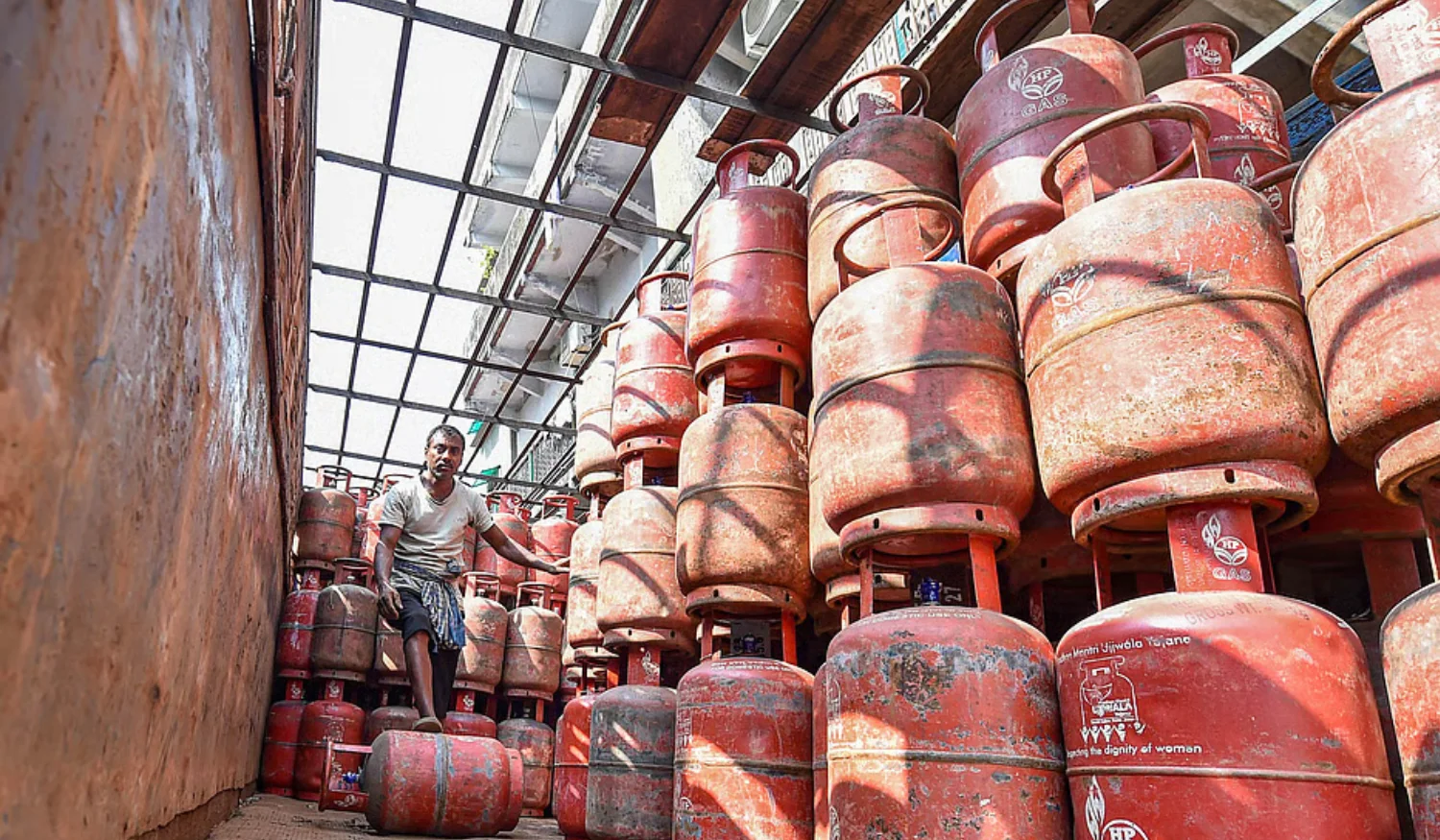
India has absorbed this in three ways, each less visible than the last. The most obvious is LPG: a huge share of India's cooking gas comes through Hormuz, and the shortage showed up this year as weeks-long booking delays and black-market cylinder prices in some cities. Less visible is who's eating the cost at the pump. Retail petrol and diesel prices have stayed mostly flat, which sounds like good news until you realise it's state refiners quietly running negative margins to keep it that way. May's price hike, the first in four years, only closed part of that gap. Least visible of all is the workaround: India leaned hard on discounted Russian crude to soften the blow, more than doubling those imports by June, though the new US tariff law aimed at Russian oil buyers (which we covered a few issues back) has since made that option messier than it used to be.
Zoom out and this isn't a shock, it's a slow drag. Every sustained dollar on crude works its way into India's import bill, then the rupee, then inflation, usually a few months behind the headlines. The IMF has flagged energy-importing economies as the ones carrying the heaviest share of this kind of disruption globally, and a few countries briefly declared energy emergencies earlier in the year. India has mostly dodged that fate, but only by choosing to protect consumers at the pump and let refiners absorb the pain instead. That choice has a bill attached too: weaker refiner balance sheets today, and a cost that resurfaces later, either as future price hikes or as refiners quietly cutting back on investment.
Exporters Freeze, Refiners Expand
Export-heavy sectors are freezing hiring, while oil companies are quietly adding roles. Both trends are happening at the same time, for different reasons.
Export businesses: hiring frozen. Companies exporting textiles, leather and engineering goods operate on thin margins. Elevated shipping costs and raw-material prices have cut into those margins through this crisis, and firms are holding off on new hiring as a result.
Oil companies: hiring expanding. Indian refiners are now sourcing crude from three places simultaneously, Russia, Iraq and the Gulf, switching between them based on price and availability. This has created demand in three specific areas:
- Crude and tanker trading — comparing prices and risk across three supply sources in real time, a role that barely existed at this scale before the war.
- Sanctions compliance — tracking two sets of rules at once: existing Iran sanctions and newer US tariff threats tied to Russian oil.
- LPG logistics — managing India's cooking-gas stockpiles more carefully, after this year's cylinder shortages exposed gaps in the system.
The Real Signal to Track
Two things will tell you where this actually goes. Whether the diesel-petrol gap closes as the reserve releases land, that's the number worth tracking, not the "Hormuz reopened" headline. And whether Trump follows through on his comment about resuming strikes after the midterms, which would erase whatever calm this week's barrels bought. Until one of those two resolves, don't expect your fuel bill to move just because the Strait has.