|
UPI Isn't Free Anymore. Here's What Actually Changes For You.
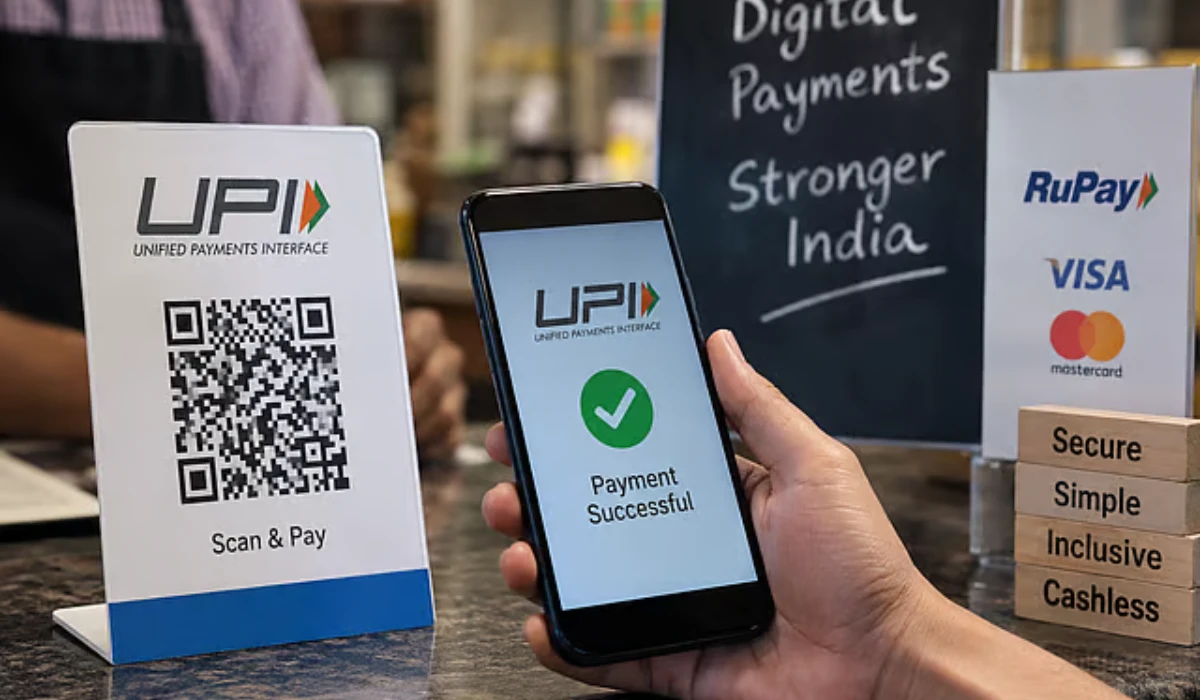
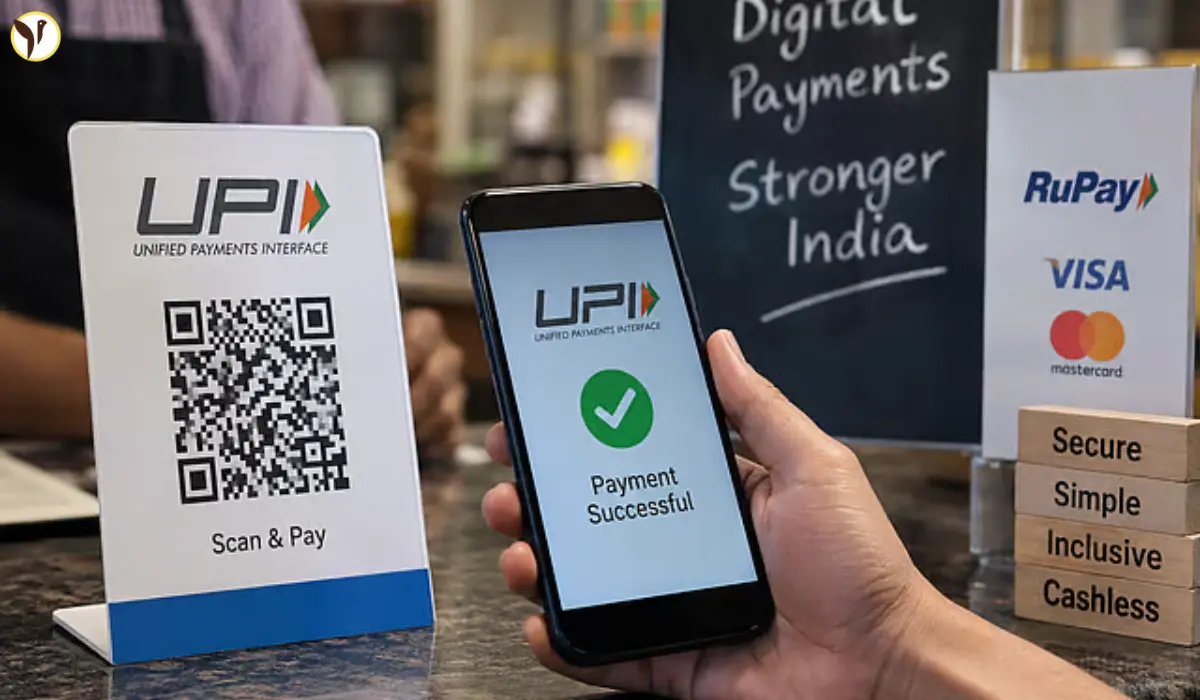
For ten years, "UPI is free" was just a fact of life in India. That changed on 15 September 2026, when NPCI confirmed a 0.4% fee on select merchant payments above ₹2,000, starting 15 October. It set off a genuine public fight, backed by real government flip-flopping. Here's the full picture, and what it means depending on who you are. The Backstory In 30 Seconds
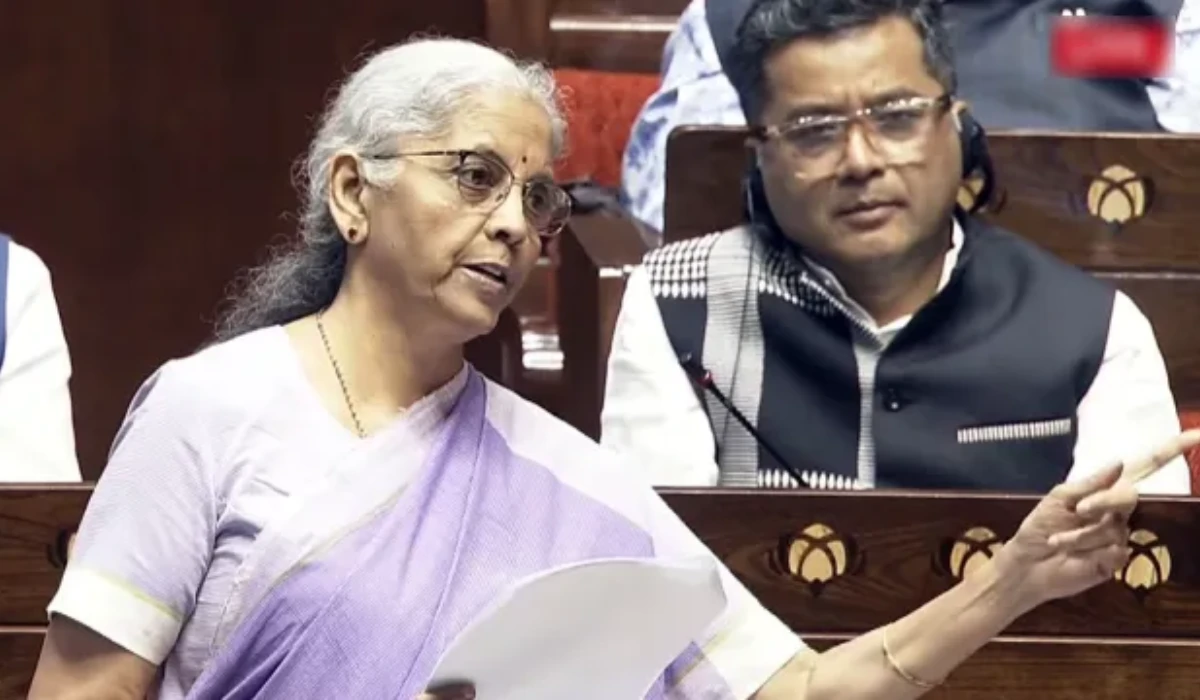
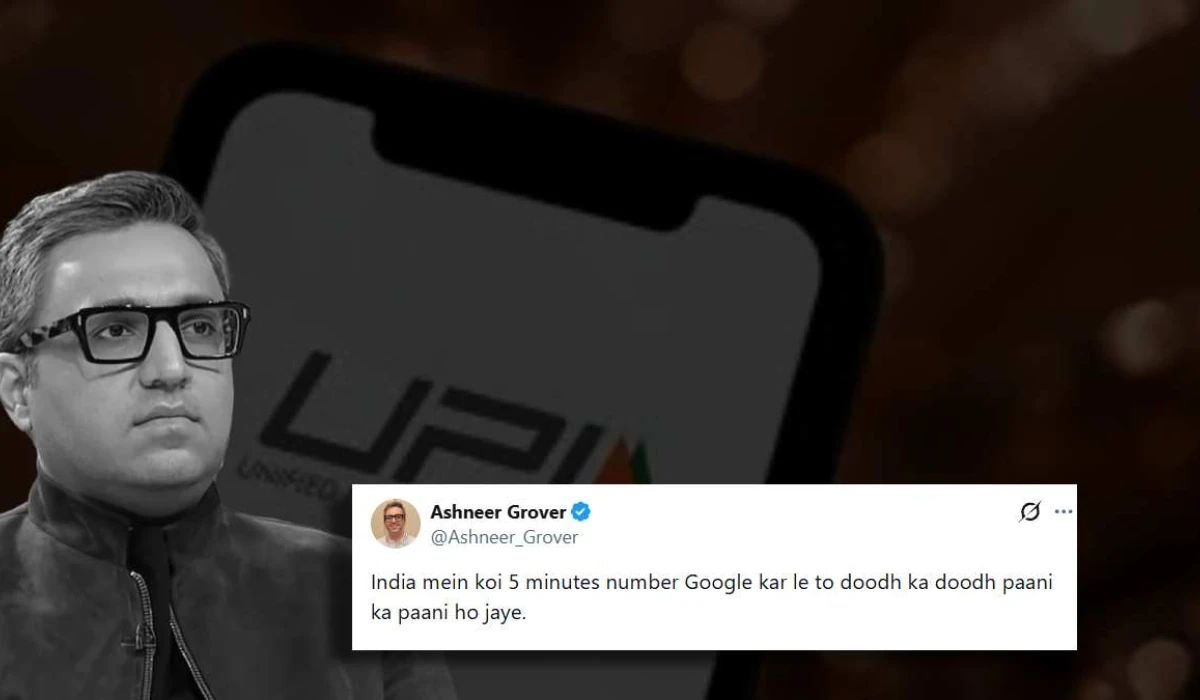
In June 2025, the Finance Ministry called UPI-charge rumours "completely false, baseless, and misleading." Fifteen months later, it happened anyway. The legal groundwork was quietly laid in August 2026, when Parliament amended the 2007 law that had made UPI free in the first place. Nobody lied exactly, but "baseless speculation" became official policy in about a year. The Fight That Made This National News Ashneer Grover called it "the most stupid" move he'd seen from the government, and asked the question that actually stuck: why is sending ₹1 lakh to a friend free, but paying a shopkeeper ₹2,500 isn't? His posts went viral, BharatPe rushed to distance itself from its former co-founder, and PhonePe CEO Sameer Nigam hit back on TV: "I don't take critics like Ashneer Grover seriously," pointing out 95-96% of UPI merchant payments fall below ₹2,000 anyway. A decimal point most people will never personally hit turned into a prime-time argument.
Who Pays, And How Much
The Case For It
The Case Against It
What This Actually Means For You
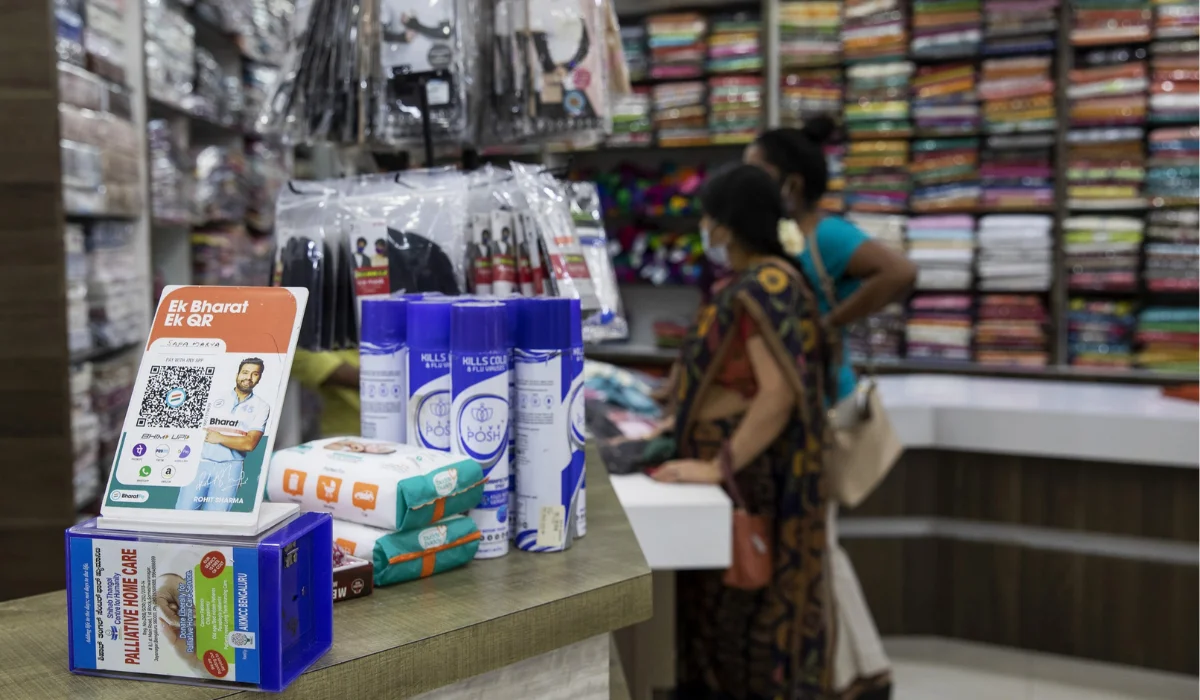
If you're a regular user sending or receiving money from people, nothing changes. If you're a small merchant doing under ₹2,000 a transaction, nothing changes either. If you're a larger merchant or business regularly crossing ₹2,000 per UPI sale, budget for a small but real new cost, and factor in the GST on top. And if you're watching this as a bigger signal: this is unlikely to be India's last word on UPI monetisation, so it's worth watching what happens after 15 October rather than assuming today's rules are final. The Number To Watch 15 October 2026. That's when the fee actually starts, and when we'll find out whether merchants quietly absorb it, quietly pass it on, or whether nothing much changes at all, the way Brazil's experience suggests it might.. |
-
 Jobaaj Stories
- Published: Sep 21 2026