|
Is BRICS Finally Becoming What It Always Claimed To Be?
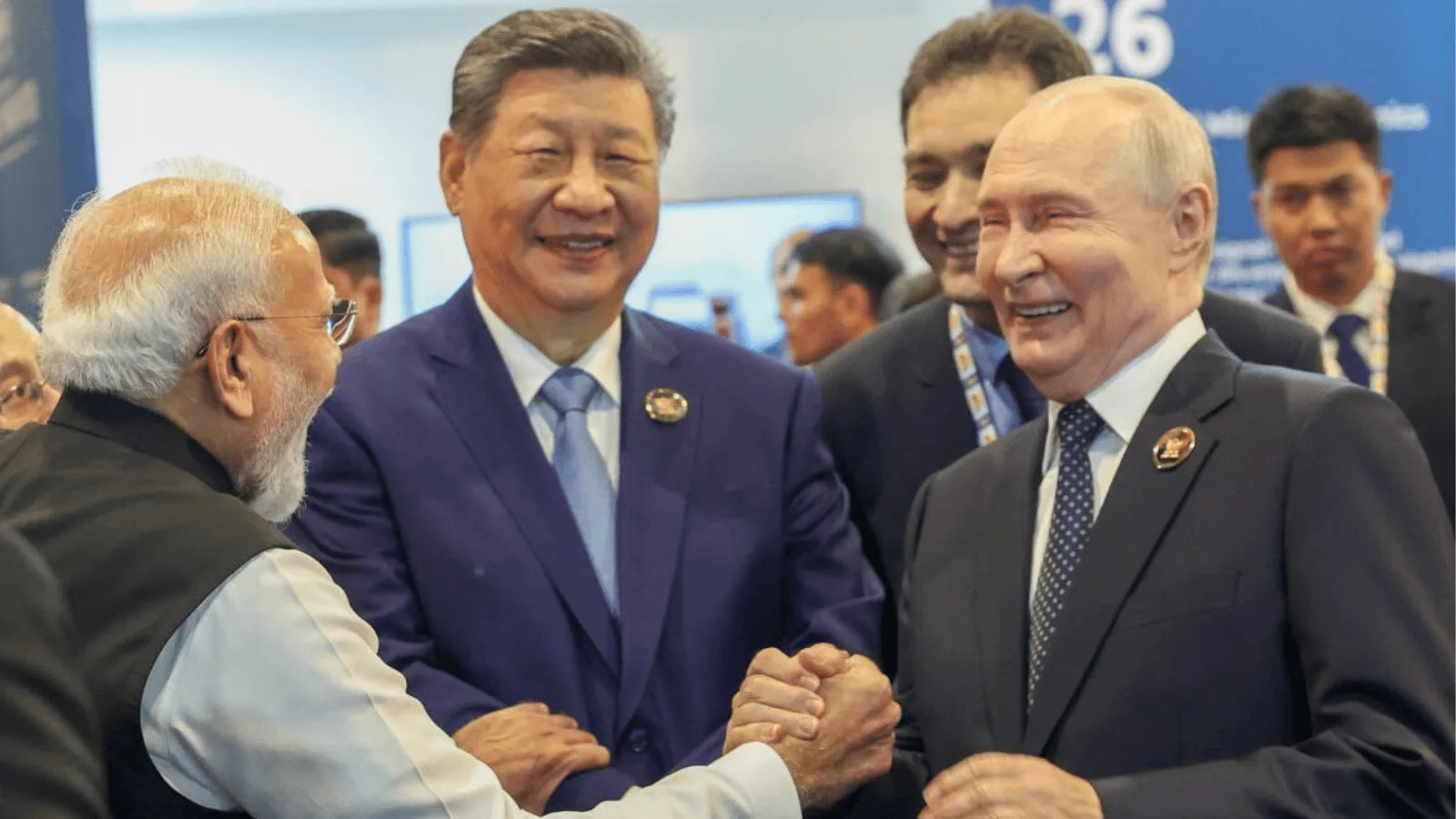
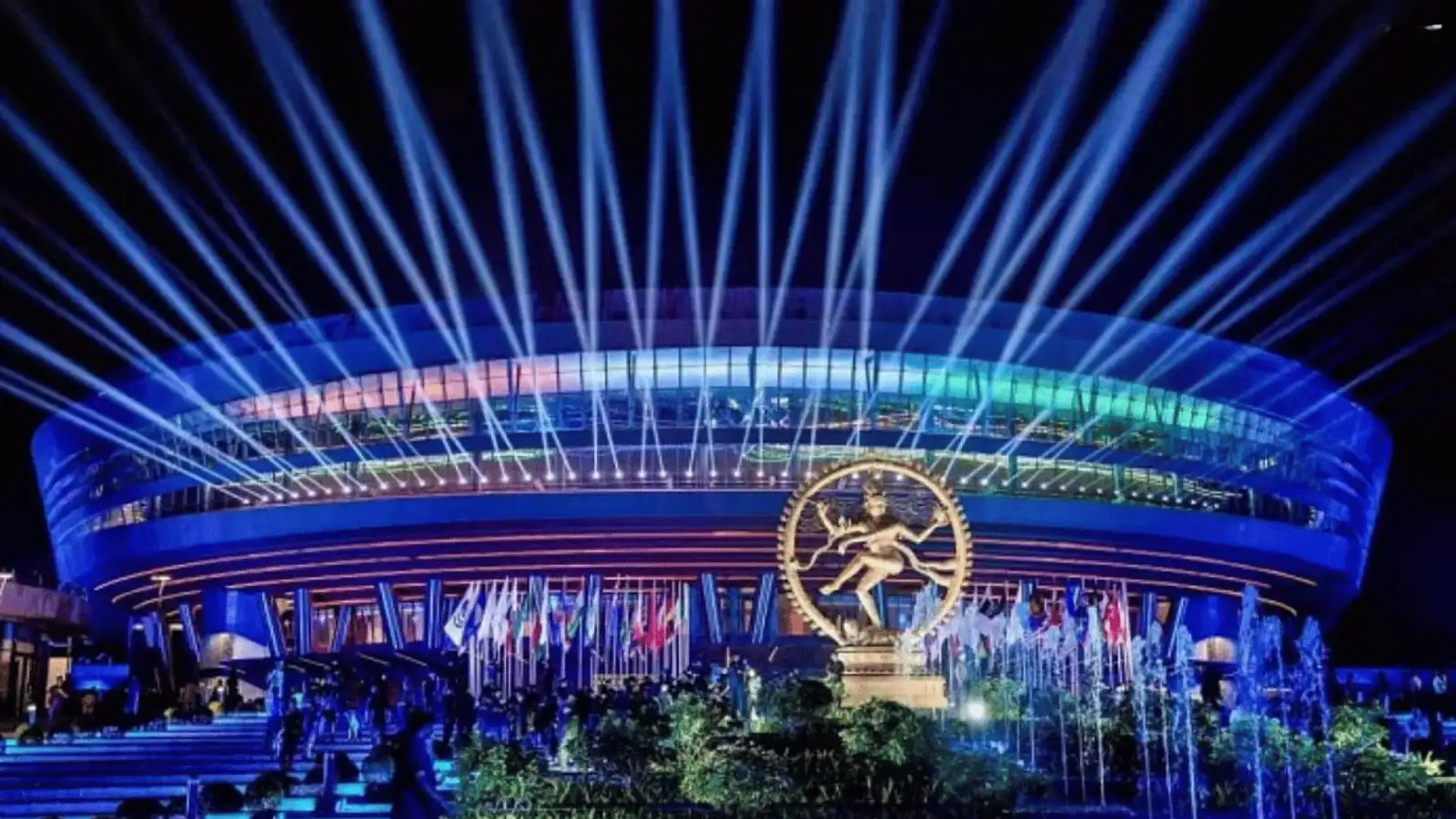
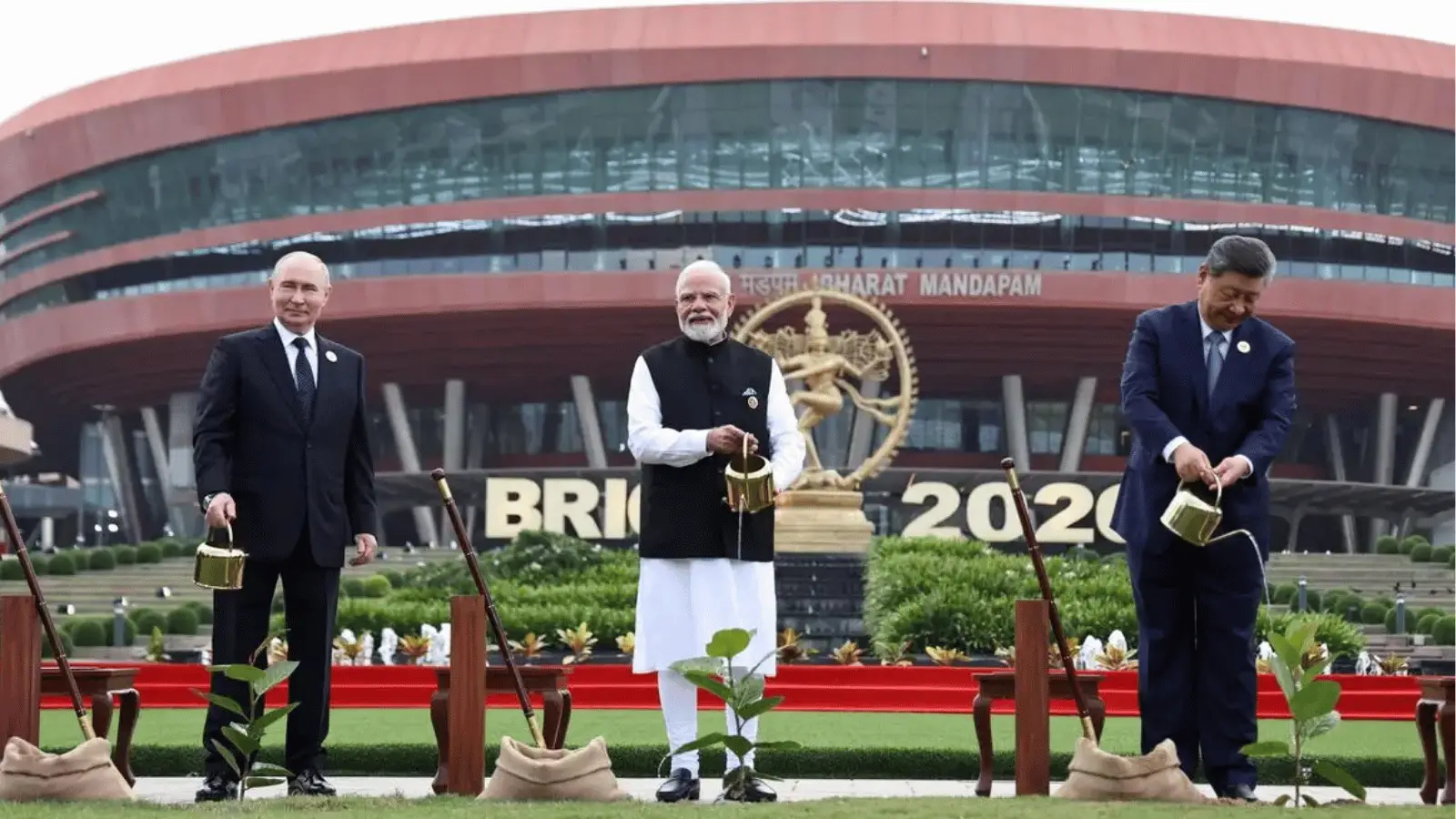
The photo circulate within minutes of it being taken: Narendra Modi, Vladimir Putin and Xi Jinping, standing together at Bharat Mandapam, laughing, hands clasped, looking for all the world like old friends rather than the leaders of three countries that don't always agree on much. Diplomatic summits produce a lot of staged photographs. Very few of them make people stop scrolling. This one did, and it raised a question worth asking properly: after 20 years, is BRICS finally growing into a real counterweight on the world stage, or is it still, underneath the choreography, a very well-organised photo opportunity? To answer that, it helps to walk through exactly how this particular week unfolded. A City Rebuilt For One Week
The transformation started well before any leader landed. From September 5, Delhi effectively rewired itself for the summit: schools shut on September 11, Delhi Police ran mobility drills and mapped VVIP convoy routes, and roughly 30,000 extra security personnel fanned out across the capital. It's a familiar playbook, India ran something similar for the G20 summit in 2023, and Beijing did the same ahead of its Olympics. What it tells you is simple: cities don't rearrange themselves at this scale for symbolic gatherings. They do it when the stakes, and the security risks, are treated as genuinely high. Putin Arrives First, And That Order Matters
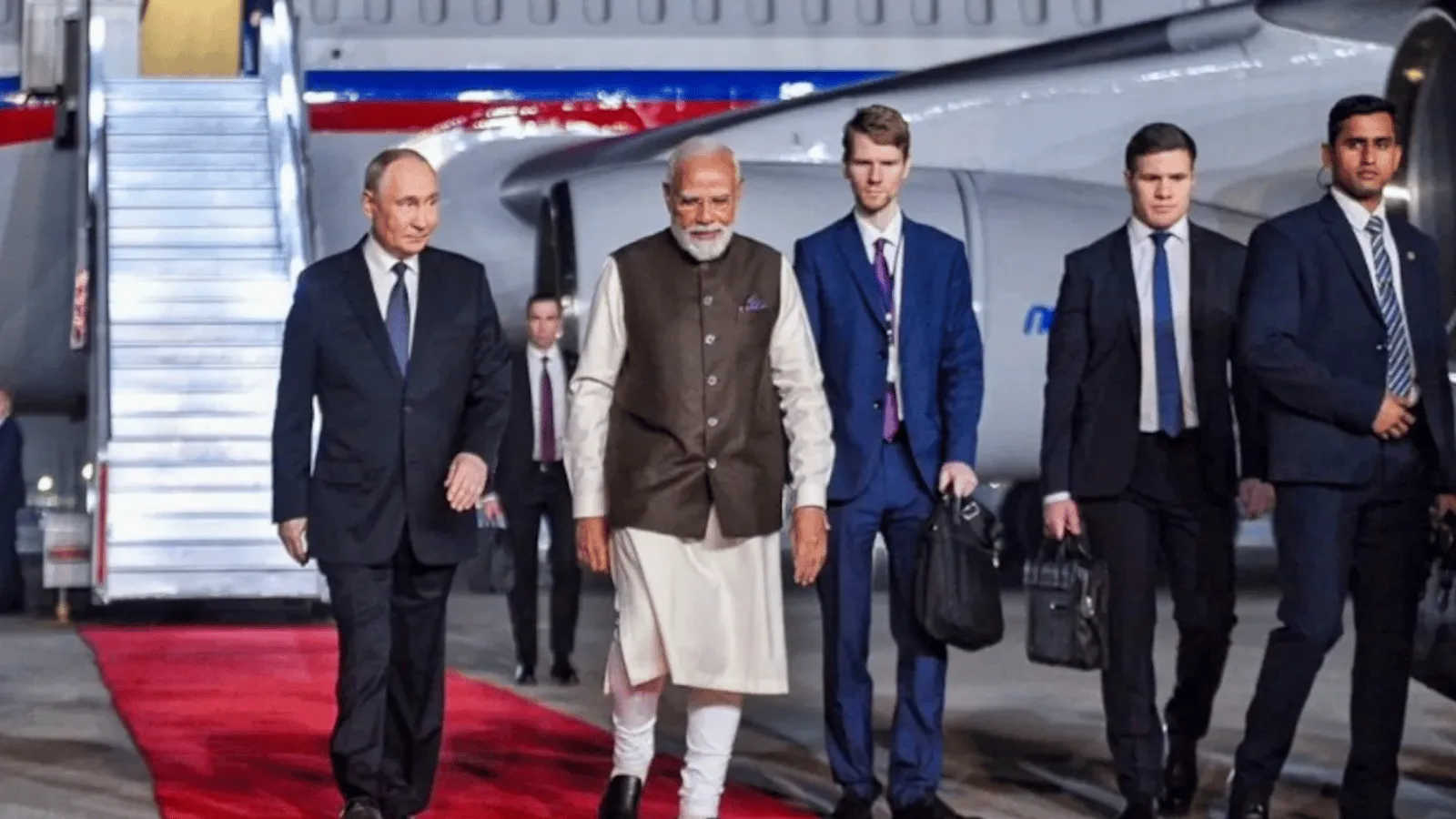
When Vladimir Putin touched down on September 11 and moved directly into a bilateral meeting with Modi on trade, defence and energy, the sequencing itself was a signal. Arrival order at multilateral summits is rarely accidental, and Russia going first, ahead of China's Xi Jinping, underlined how central the India-Russia relationship has remained even as India's ties with Washington have deepened elsewhere. Iran's Pezeshkian, South Africa's Ramaphosa and UN chief Antonio Guterres followed through the same day, 13 leaders in total arriving in person by evening. Xi's Return Carries Seven Years Of Baggage
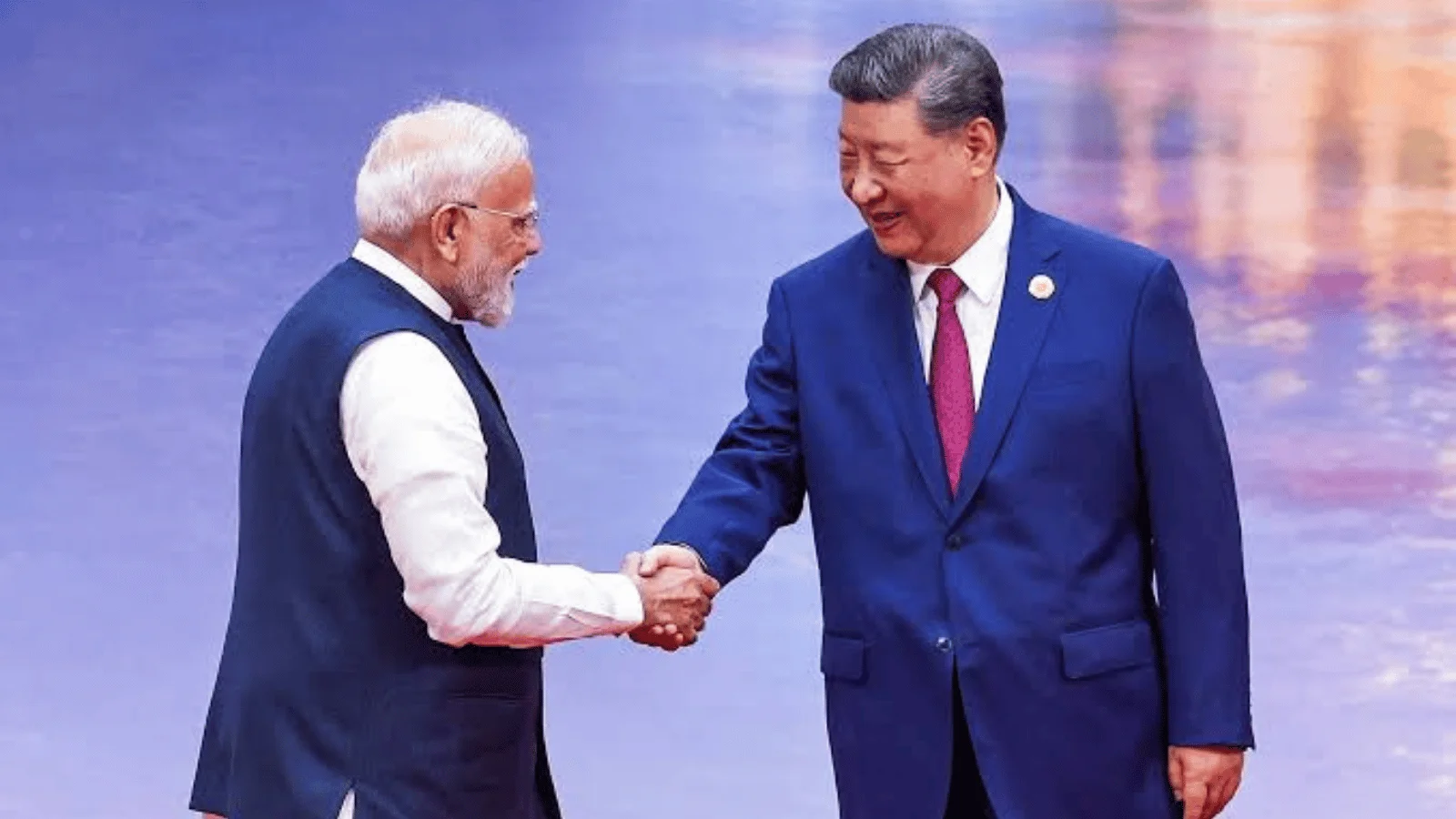
The most closely watched arrival came the next morning. Xi Jinping's visit was his first to India in seven years, a gap defined almost entirely by the 2020 Galwan border clash that killed 20 Indian and four Chinese soldiers and froze the relationship for years afterward. That history is precisely why the viral photo landed the way it did: a handshake or a photo op between rival democracies raises fewer eyebrows than one between countries that were, quite recently, in a deadly military standoff. Modi's own message in his bilateral with Xi, that differences should not turn into disputes, only made sense against that backdrop. Modi Declares The Bloc Has "Come Of Age"
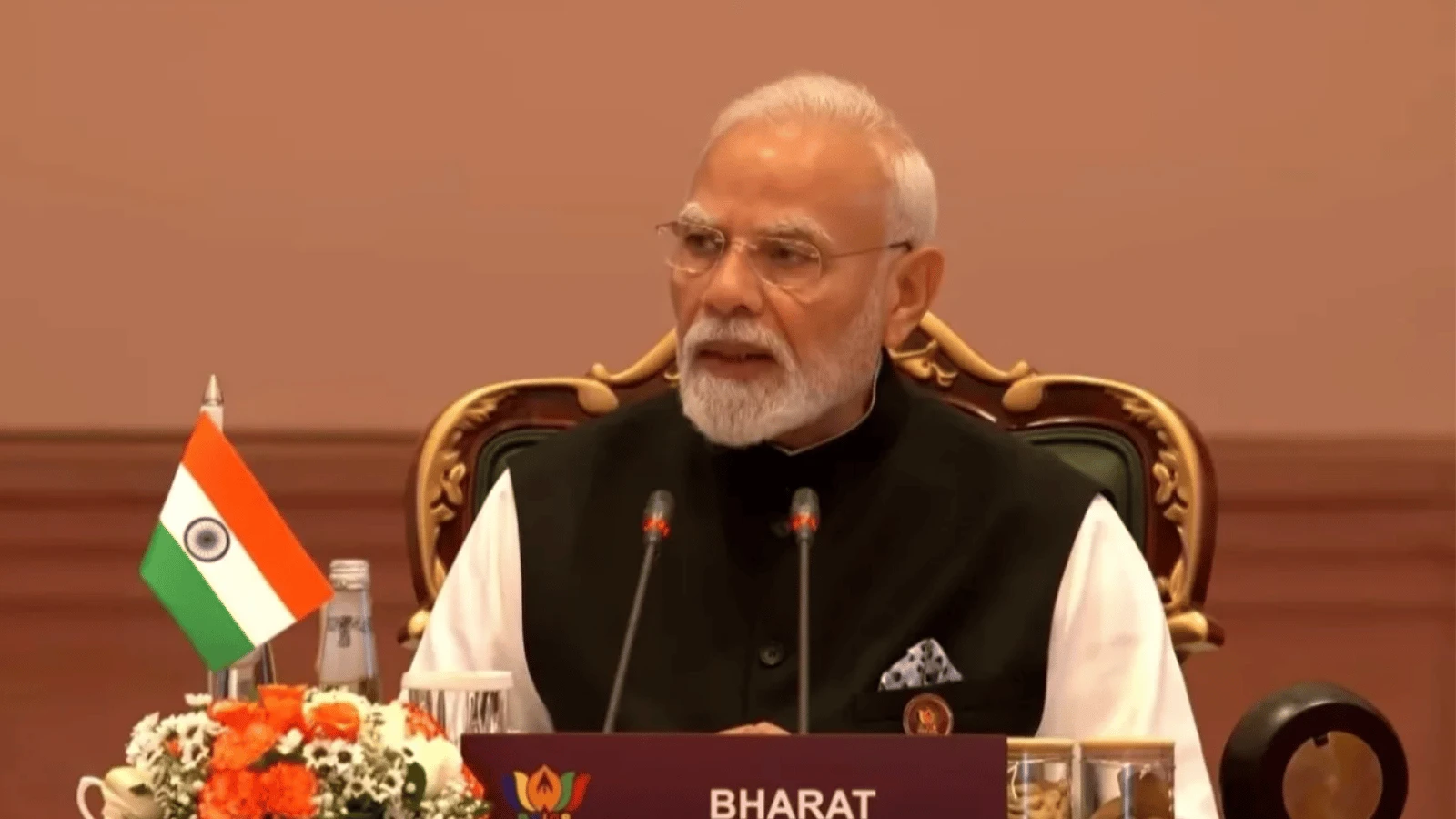
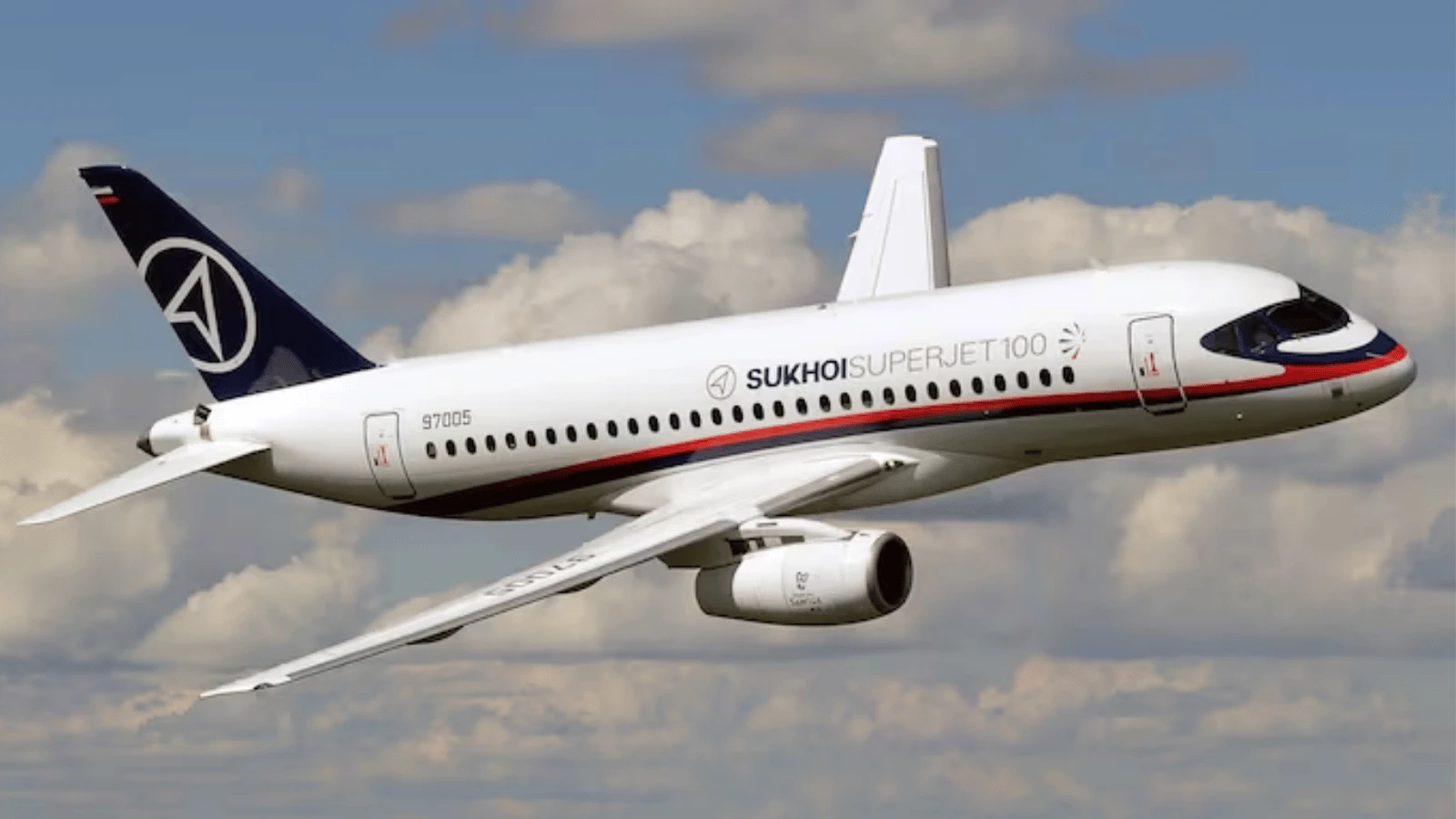
By the time the closed plenary opened on September 12, Modi was framing the entire 20-year arc in a single line, calling BRICS "not just a group of countries but an ecosystem of solutions" and its anniversary a moment of "maturity and responsibility." It's worth comparing that to the tone of earlier BRICS summits, which leaned heavily on economic cooperation rhetoric inherited from the bloc's Goldman Sachs-coined origins in 2001. This year's New Delhi Declaration went further, taking positions on the Middle East, Sudan, UN Security Council reform and unilateral sanctions, terrain a purely economic club would never have touched. A Warning About Weaponised Technology Modi's sharpest line came a day later, on September 13, when he warned that "weaponisation of technology and critical minerals" could stall global development altogether. It's a warning with real precedent behind it: export controls on semiconductors and rare earths have already reshaped global supply chains once this decade, and Modi's framing suggested BRICS wants to position itself as a bloc pushing back against exactly that kind of leverage being used as a geopolitical weapon. What India Actually Walked Away With Strip away the ceremony, and hosting delivered India something concrete. This was its fourth turn as BRICS chair, and it came with a genuine business outcome: a Russian official confirmed plans to begin SJ-100 aircraft production in India, alongside continued progress on local-currency trade between member states. It's the same pattern the New Development Bank set a decade earlier, BRICS occasionally turning declarations into actual infrastructure, slowly, but for real.
The Costs And Contradictions Nobody Resolved None of this came free. The summit landed barely 12 days before Xi Jinping's own state visit to meet Donald Trump on September 24, forcing India into a delicate balancing act between Washington, Moscow and Beijing simultaneously. Two days of shut schools and a nationwide bank strike cost the capital real productivity. And one discrepancy went entirely unresolved: India described Saudi Arabia as a "full member" of BRICS, while Saudi officials continued calling their own status merely "invited." It's a small gap on paper, but it echoes the same unresolved question that trailed the European Union through its own expansion years, does adding more members make a bloc stronger, or does it just make consensus harder to reach. So, Photo Opportunity Or Genuine Power Shift?
The honest answer is probably both, depending on which decade you're measuring. The SJ-100 deal and the New Development Bank's decade of actual lending suggest real institution-building is possible when members commit to it. The Saudi ambiguity and India's tightrope walk between three capitals suggest genuine unity is still more aspiration than achievement. Coming back to that photograph, though, the three leaders laughing at Bharat Mandapam, barely five years removed from a border clash that killed two dozen soldiers. Photographs like that don't prove alliances. But they do prove something else: that after 20 years, the leaders of nearly half the world's population still think it's worth showing up, standing together, and being seen doing it. Whether that becomes real-life impact, as Modi put it himself, is a question next year's summit will answer, not this one's photograph. |
-
 Jobaaj Stories
- Published: Sep 14 2026