Saudi-Houthi War Escalates: Why India Could Feel the Oil Shock
Saudi-Houthi fighting is disrupting oil and Red Sea shipping, pushing Brent above $100 and raising fresh risks for India's fuel, exports and jobs.

- Published
- Reading time
- 9 minutes
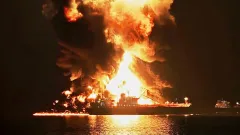
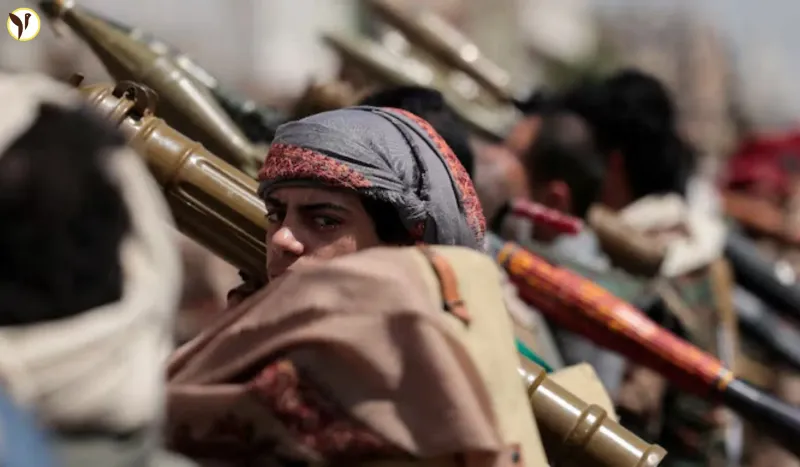
Since mid-July, Yemen's Iran-backed Houthi rebels have been firing missiles and drones at Saudi Arabia and blockading Saudi ships in the Red Sea. In September the fight got much bigger. The Houthis hit four Saudi cities, took control of Yemen's entire Red Sea coast, and were blamed, along with drones launched from Iraq, for a strike that shut Saudi Arabia's most important oil pipeline. The Houthis also fired a missile at Riyadh, the capital. Saudi Arabia is hitting back with air strikes, and allies are being pulled in. The pipeline has restarted, but only at a low rate, and Brent crude oil is still above $100 a barrel.
Why Did This Start?
The Houthis and a Saudi-led coalition fought for years until a UN-brokered truce in 2022 largely stopped the fighting. That calm ended after the US and Israel launched their war on Iran in February, Al Jazeera reported. Iran backs the Houthis.
The trigger came in July. Al Jazeera reported that the Houthis fired missiles and drones at Saudi Arabia's Abha airport after an attack on Sanaa airport. AP said the trigger was a Houthi attempt to fly a plane from Tehran to Sanaa, which a strike on the runway prevented. On 20 July the Houthis announced a naval blockade of Saudi Arabia, in what they called a "siege for siege."
Why does it matter beyond Yemen? With the Strait of Hormuz largely closed since the Iran war began, Saudi Arabia has been sending much of its oil through a pipeline to Yanbu, a Red Sea port. Ships from Yanbu heading to Asia must pass the Bab el-Mandeb strait, right next to the coast the Houthis have now taken.
Everything That Has Happened, Date by Date
13 July. The Houthis began firing at Saudi Arabia after the Sanaa airport strike, according to Al Jazeera's account.
20 July. The Houthis declared a blockade of Saudi ports and Saudi ships at Bab el-Mandeb.
22-24 July. The Houthis attacked two Saudi oil tankers in the Red Sea. On 24 July, Saudi Arabia hit back with air strikes on the port of Hodeidah and Kamaran Island.
2 and 6 August. The Houthis claimed an attack near Najran airport. Four days later, a missile strike in Najran province wounded 11 civilians.
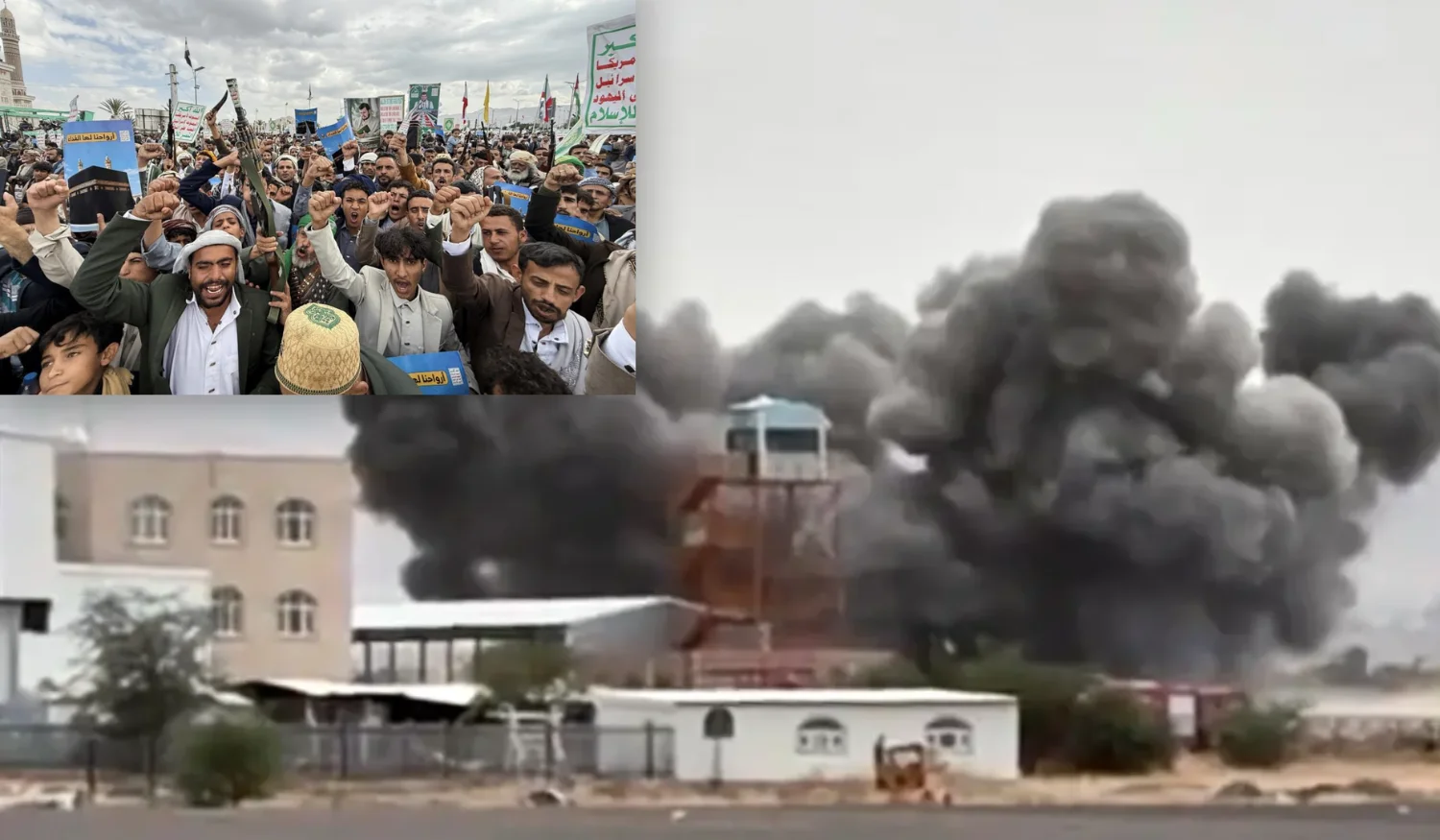
7 August. Saudi Arabia, Pakistan and Turkey signed the Mecca defence pact, which treats an attack on one as an attack on all, India TV reported.
3 September. The Houthis launched a major ground push through Taiz and Hodeidah towards the port of Mokha, Al Jazeera reported.
8 September. Houthi missiles and drones hit Abha, Khamis Mushait, Jazan and Najran, wounding at least 73 people, including women and children, and starting fires at several oil and utility sites in southern Saudi Arabia, according to the Saudi coalition and CNN. Brent rose above $100 for the first time since July. The Houthis said this was a response to more than 100 Saudi air strikes over three days and to a strike on a prison in Yemen's Jawf province that they said killed at least seven people, AP reported.
10-11 September. The Houthis took Mokha, then Perim Island and the Hanish Islands, and now hold Yemen's whole Red Sea coast, according to Wikipedia's crisis summary, which cites Saudi and Yemeni government sources for the Perim capture. The Yemeni government's forces retreated. Around the same time, drones launched from Iraq hit the East-West pipeline, and Saudi Arabia shut it.
24-26 September. Saudi forces intercepted more missiles and drones aimed at Riyadh. France said it would send troops and air defences to Yanbu. Iran offered a ceasefire covering Yemen and Lebanon, and Trump rejected it. On 26 September, Saudi Defence Minister Prince Khalid bin Salman said he had affirmed joint efforts with Pakistan's army chief under the pact, Reuters reported.
Who Is Involved, and What Are They Saying?
The Houthis. They say attacks are a response to Saudi air strikes and restrictions on Yemen, and that the Red Sea stays safe for most ships. Lloyd's List said that did little to reassure shipowners, CBS News reported.
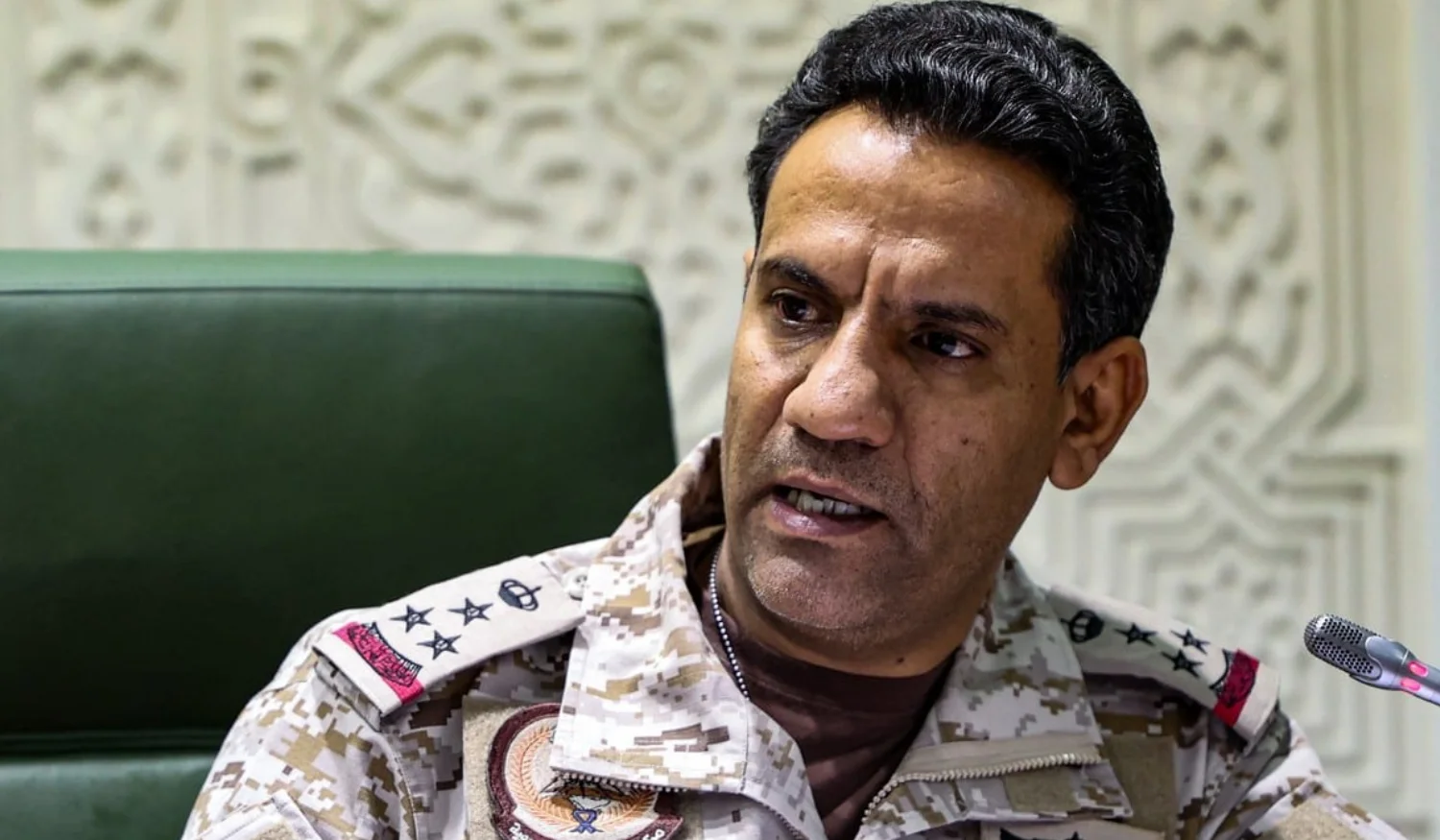
Saudi Arabia. Coalition spokesman Turki al-Maliki called the 8 September attacks "dangerous" and "senseless," CNN reported, and has vowed to act against the sources of the threat. Yemeni sources say Riyadh is reportedly preparing a major naval and ground offensive, according to Wikipedia. Treat that as unconfirmed.
Yemen's government. Its forces lost Mokha and Perim. Its leaders say Iran planned and backed the offensive.
Iran. Iran backs the Houthis, and Rubio blamed Iran for groups hitting Saudi energy sites, Eurasia Review reported.
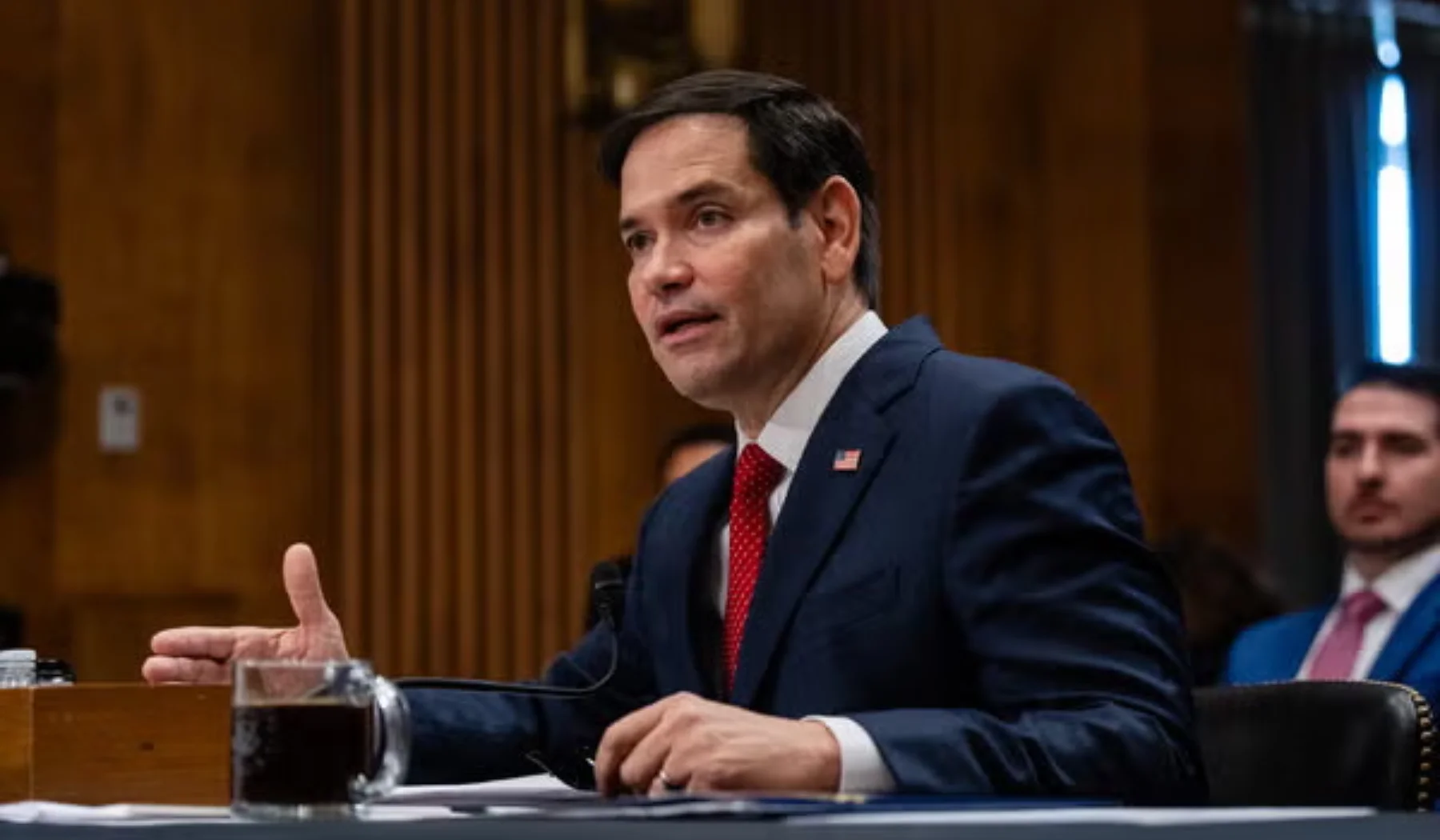
The United States. Secretary of State Marco Rubio said Washington intends to honour its defence commitments to Saudi Arabia but did not say how. Crown Prince Mohammed bin Salman reportedly called Trump to ask for help. Trump reportedly approved strikes on the Houthis and reversed the order days later. The Council on Foreign Relations noted the US is believed to be short of interceptor missiles.
How Bad Is the Damage?
People. At least 73 wounded in Saudi cities on 8 September, and 11 wounded in Najran in August. No deaths in Saudi Arabia have been widely reported so far. In Yemen, the UN refugee agency says families have fled fighting across Hodeidah, Taiz, Aden, Marib and other areas, Al Jazeera reported.
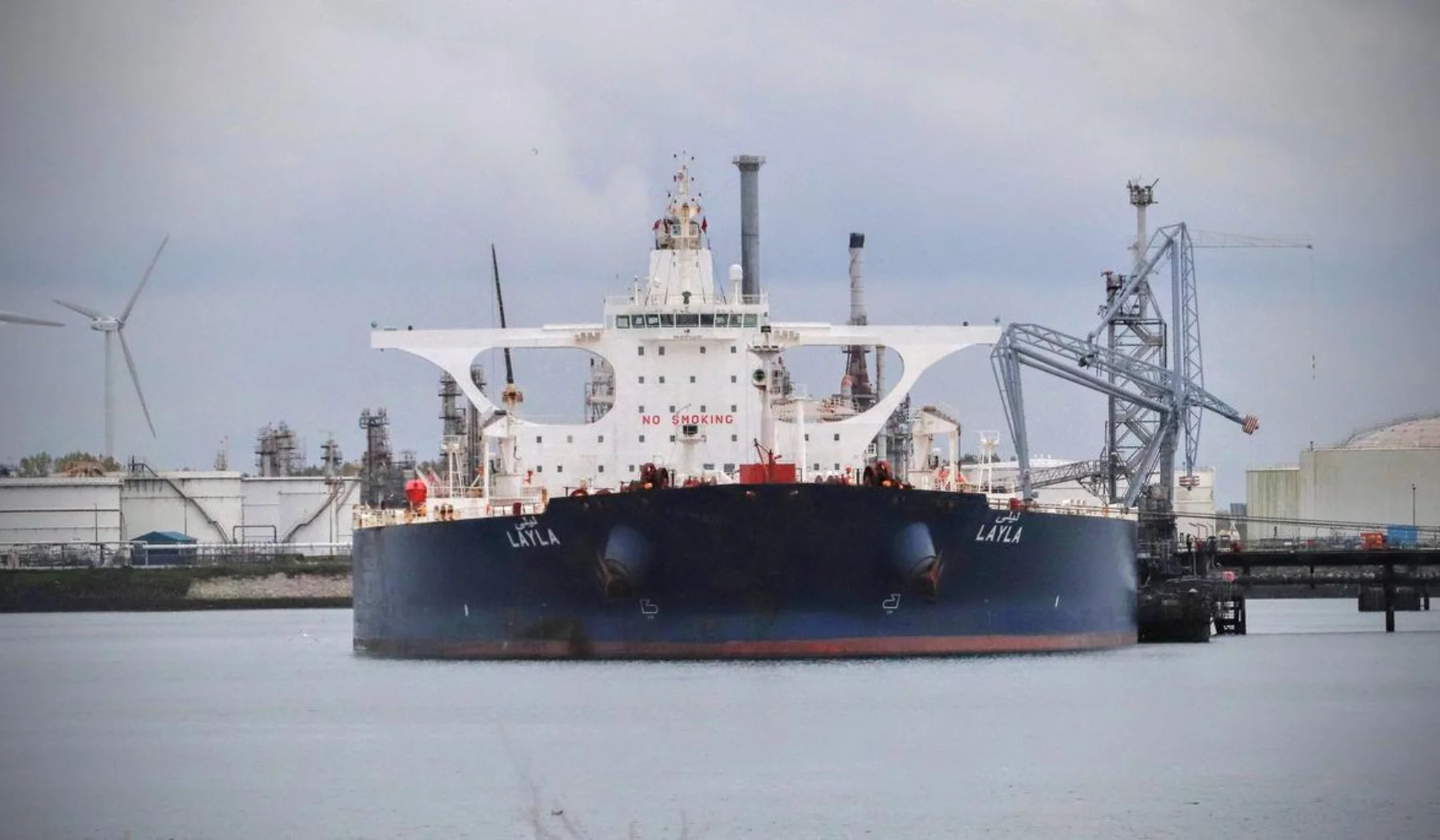
Oil. The pipeline was designed to carry up to 7 million barrels a day, though Reuters says it had recently moved about 4 million, roughly 4% of world supply. Kpler's Johannes Rauball told CNN Yanbu held about 15 million barrels, enough for around four days, and flows could be disrupted for about a month. Rystad Energy estimated a month-long outage would keep as much as 120 million barrels off the market.
Shipping. The Houthis now control both sides of the approach to Bab el-Mandeb. Insurers, not official closures, are what usually push ships away, which is why shipowners are nervous.
How Does This Affect India?
The bad news.
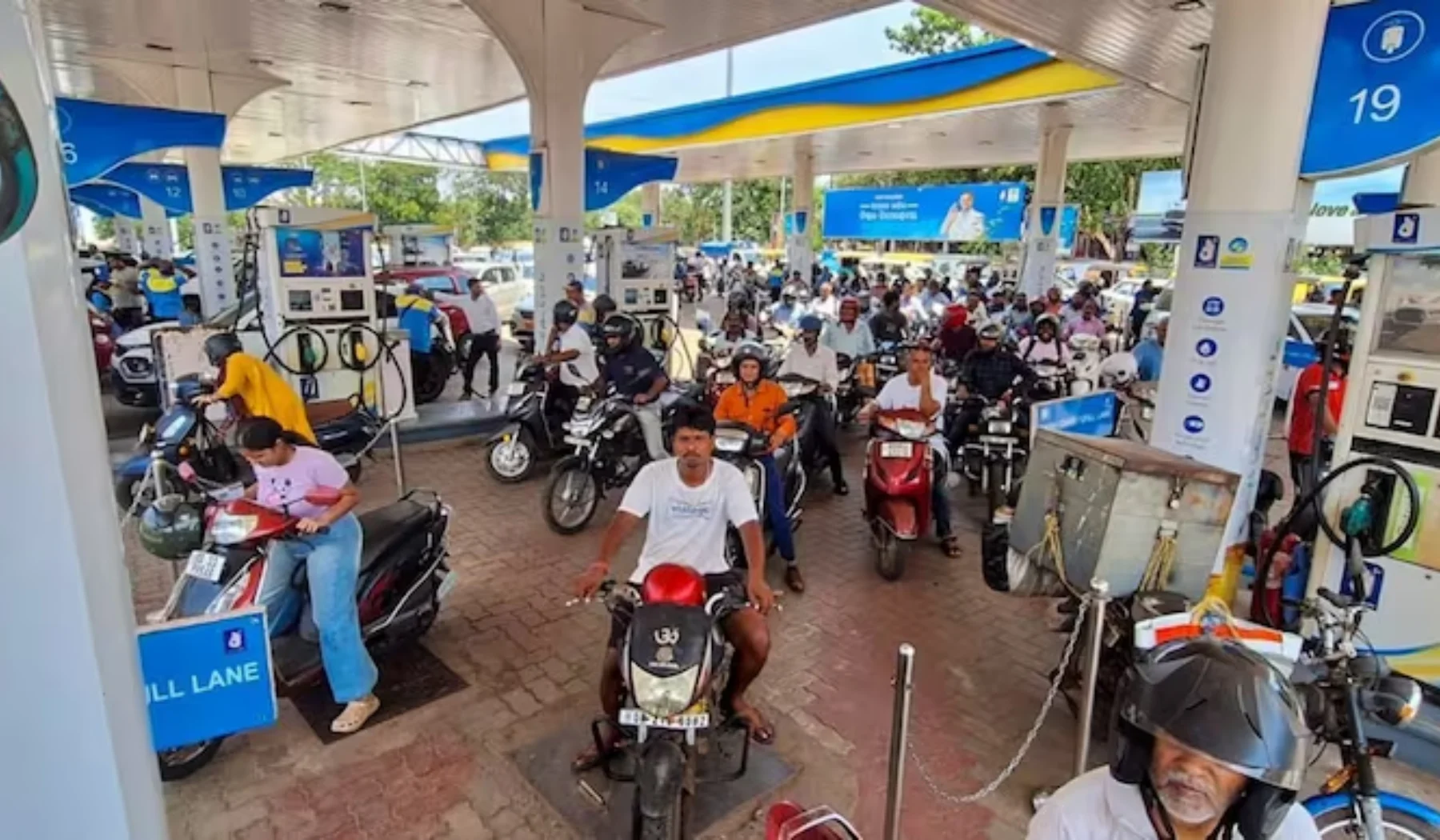
Petrol and diesel. About 40% of India's crude imports depend on Hormuz, and Saudi oil bound for India normally sails through the Red Sea. The likely result is higher costs and tighter supply, not a sudden halt. The National noted that this conflict tightens the very market Indian refiners would turn to if they had to give up Russian oil, just as US tariff pressure on Russian oil buyers rises.
Exports. Roughly 80% of India's trade with Europe normally uses the Red Sea and Suez route, and freight rates remain 25-40% above normal. The last Red Sea crisis shows the risk. In early 2024, exporters held back about a quarter of shipments, according to the Federation of Indian Export Organisations, and container costs from Asia to northern Europe jumped 173%, Fortune reported. Textiles, leather, engineering goods, chemicals, rice and marine products are most exposed.
Gulf families. About 9 million of the roughly 19 million Indians working abroad are in the Gulf, and they send home about $50 billion a year. The World Bank expects Gulf growth to slow to 1.3% in 2026 from 4.4% in 2025. Kerala's NORKA Roots says there has been no mass return so far.
The good news.
Refiners. Bloomberg, citing Kpler, reported in July that India's fuel exports were near a ten-month high as refiners used strong margins created by tight supply, BusinessToday reported. Relief if supply returns. The pipeline restart showed prices can ease fast when oil flows again. Cleaner energy. IEA chief Fatih Birol expects renewables to speed up because they are a home-grown source of power, CNBC reported.
India's foreign ministry has condemned the attacks, especially those on civilian and economic targets.
Jobs: Who Loses and Who Gains
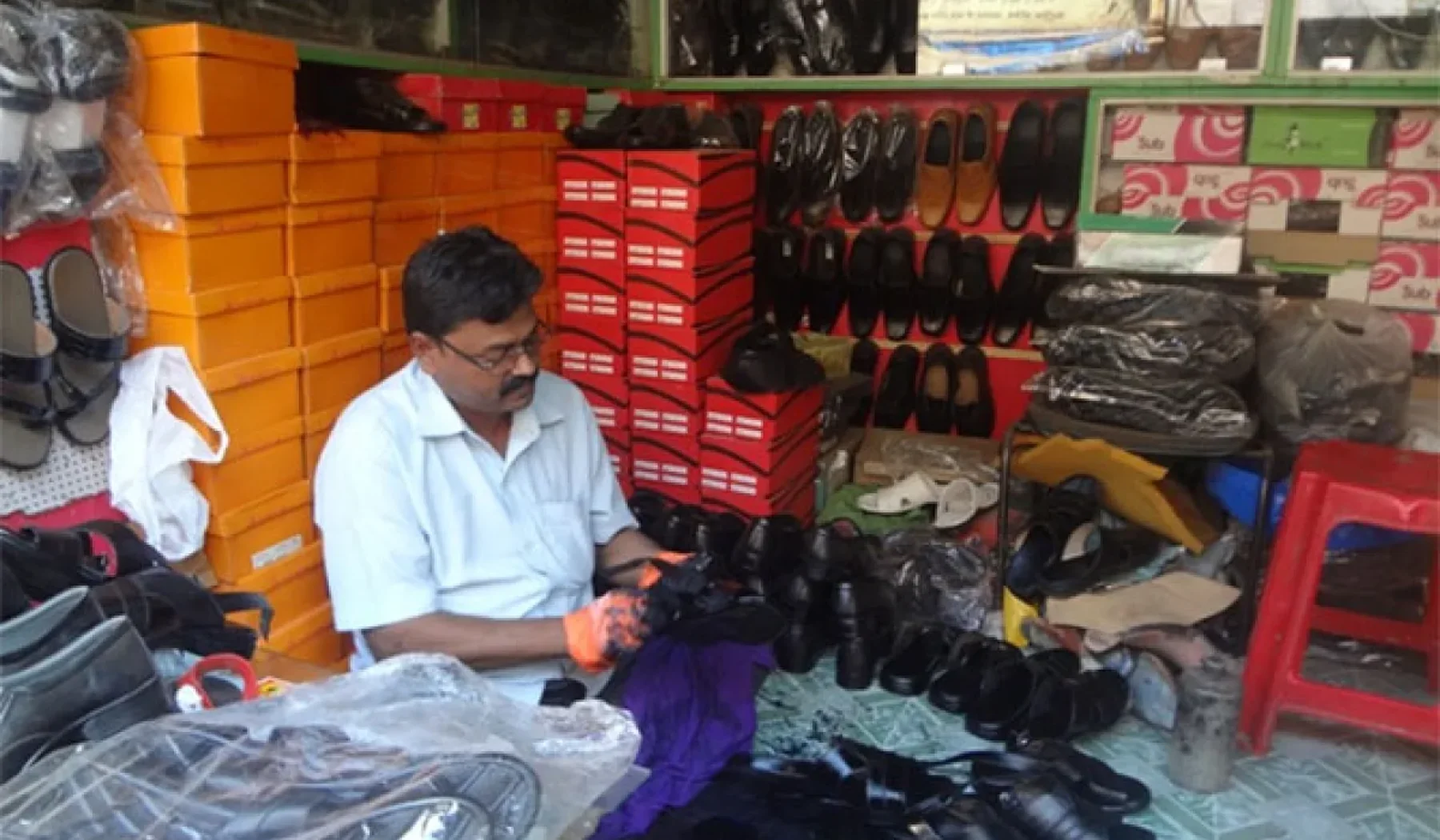
Who is at risk. Workers in export hubs such as textiles and leather may see fewer orders and less overtime first. Thin-margin firms usually freeze hiring before they lay off, which is our inference, not a reported figure. Reuters reported in May that the West Asia war was already hurting demand for Indian leather goods and footwear.
Gulf-based workers face slower regional growth, and in one Kerala case a Saudi construction firm halted a project and laid off about 600 Indians. Globally, the International Labour Organization warned that a 50% oil price rise could cost the equivalent of 14 million to 38 million full-time jobs by 2027. That figure covers the whole Iran war, not only this front.
| Where demand grows | Who is needed | How you can fit in |
| Rebuilding shipping routes | Logistics planners, freight forwarders, trade-compliance staff, marine-insurance analysts | Small exporters cannot afford in-house teams. Help them compare routes and price freight risk |
| Switching from imported fuel | Solar installers, maintenance technicians, battery and grid engineers, LNG fuelling staff | Trained technicians in small towns. India's petroleum regulator says replacing 10% of diesel with LNG could save $1 billion in crude imports, Business Standard reported |
| Reading risk and data | Analysts who track ships, oil and freight prices with Excel and SQL | Small firms that cannot afford costly data services |
| If Gulf workers return | Placement and reskilling staff | Matching returning workers to jobs. Kerala's NORKA Roots is the agency to watch |
What Should You Do Now?
For your household budget. There is currently no official announcement linking this crisis to immediate fuel pump price increases. Oil prices above $100 per barrel indicate rising pressure on energy costs, but they do not mean fuel supplies are at risk. A sustained move beyond $110 per barrel could start creating stronger price pressure, based on our assessment. At this stage, there is no reason for consumers to panic-buy fuel.
If you work in an export factory. Expect fewer orders and less overtime before layoffs. Ask which buyers and routes your work depends on, and build transferable skills like documentation and logistics coordination.
If you run a small export business. Check whether freight and war-risk surcharges can be passed on in your contracts. Avoid depending on one route or one buyer.
If your family earns in the Gulf. Follow the Indian embassy's advisories, keep documents ready and hold a small savings buffer.
If you are a student or job seeker. Build skills companies need when routes get risky: supply-chain analytics, trade compliance, Excel and SQL for freight data, risk analysis, and energy skills like solar and battery systems.
What Could Happen Next?
Warning signs: Brent above $110. A successful attack that disables Yanbu itself. A jump in shipping insurance costs. A Saudi ground or naval offensive, or the Mecca pact members moving from statements to military action, which would widen the war.
Good signs: The pipeline back at full capacity. Talks between Washington and Tehran. Air strikes and missile fire easing. Freight rates falling back toward normal.