|
Iran Strikes Back At Kuwait, Bahrain And Jordan
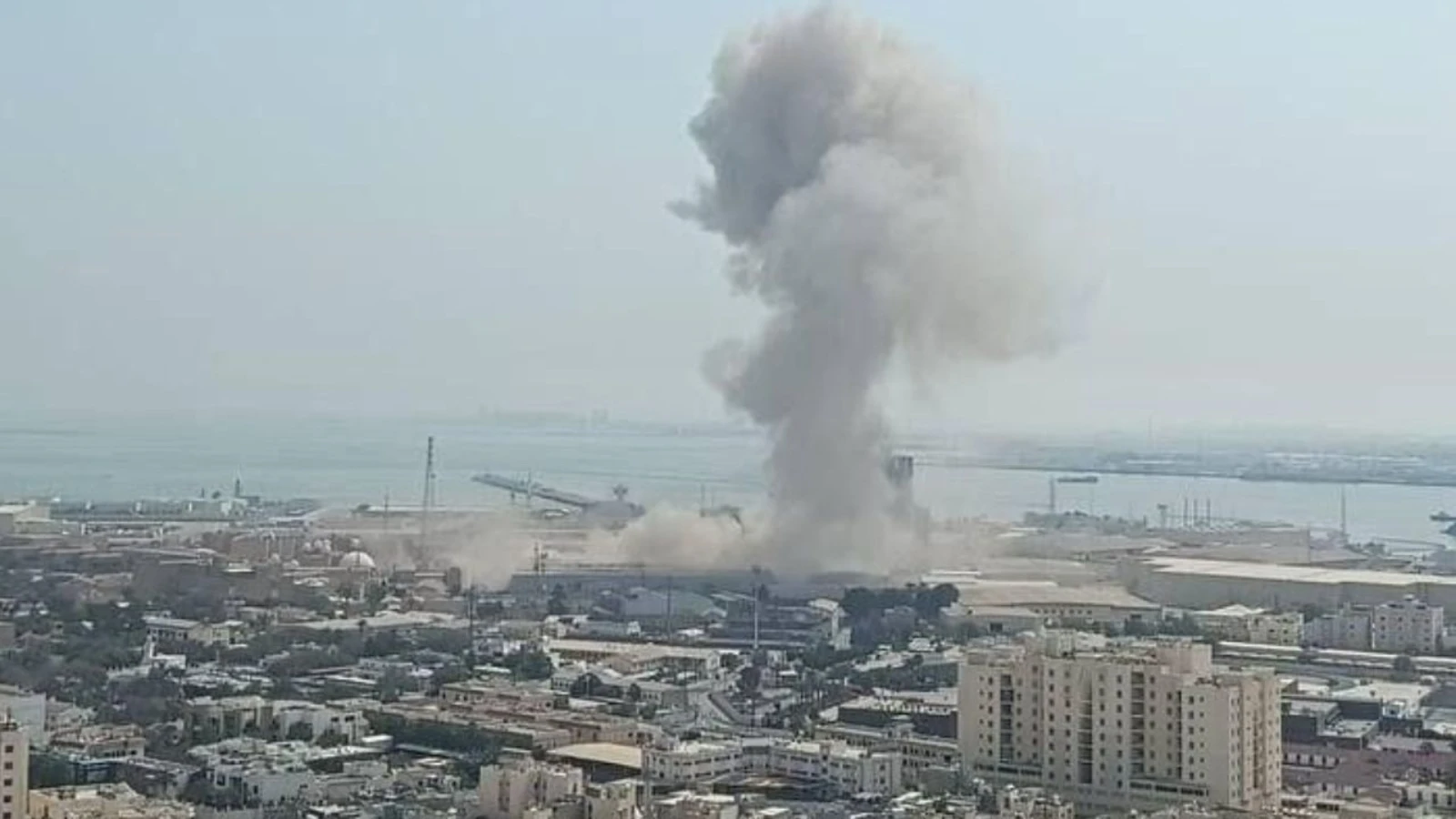
In the early hours of September 1, the US-Iran war entered its most dangerous phase in over a month. After US Central Command struck dozens of military targets along Iran's southern coast, killing 11 people, Tehran retaliated with missile and drone strikes on American bases and interests across Kuwait, Bahrain and Jordan. Kuwait's army said its air defences confronted the incoming drones directly, while air-raid sirens sounded across Bahrain as intercepted drone debris sparked fires on the ground. Iran's Revolutionary Guards claimed the strikes destroyed several US drones and technical infrastructure, a claim American officials disputed. Trump warned that further Iranian retaliation would see the country "totally wiped out." A Kuwaiti Residential Complex Catches Fire
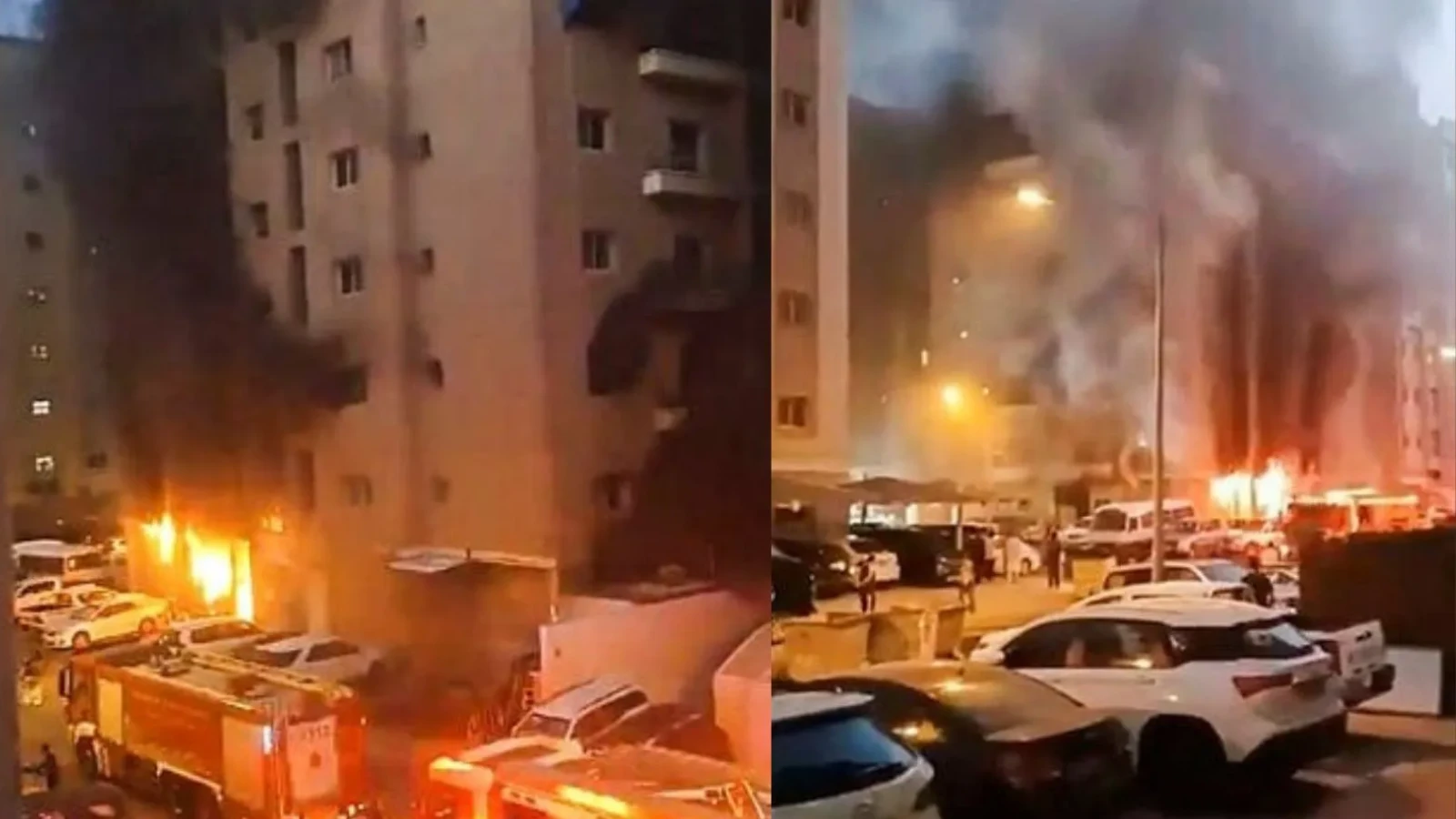
The consequences reached ordinary civilians the very next day. On September 2, Kuwaiti authorities confirmed that debris from an intercepted Iranian drone had set fire to a residential complex in the capital. No casualties were reported, but the episode illustrated how a conflict fought largely over military bases and shipping lanes was now brushing directly against civilian life in a Gulf state not formally party to the war. Iran Widens Its Target List To Kuwait And The UAE
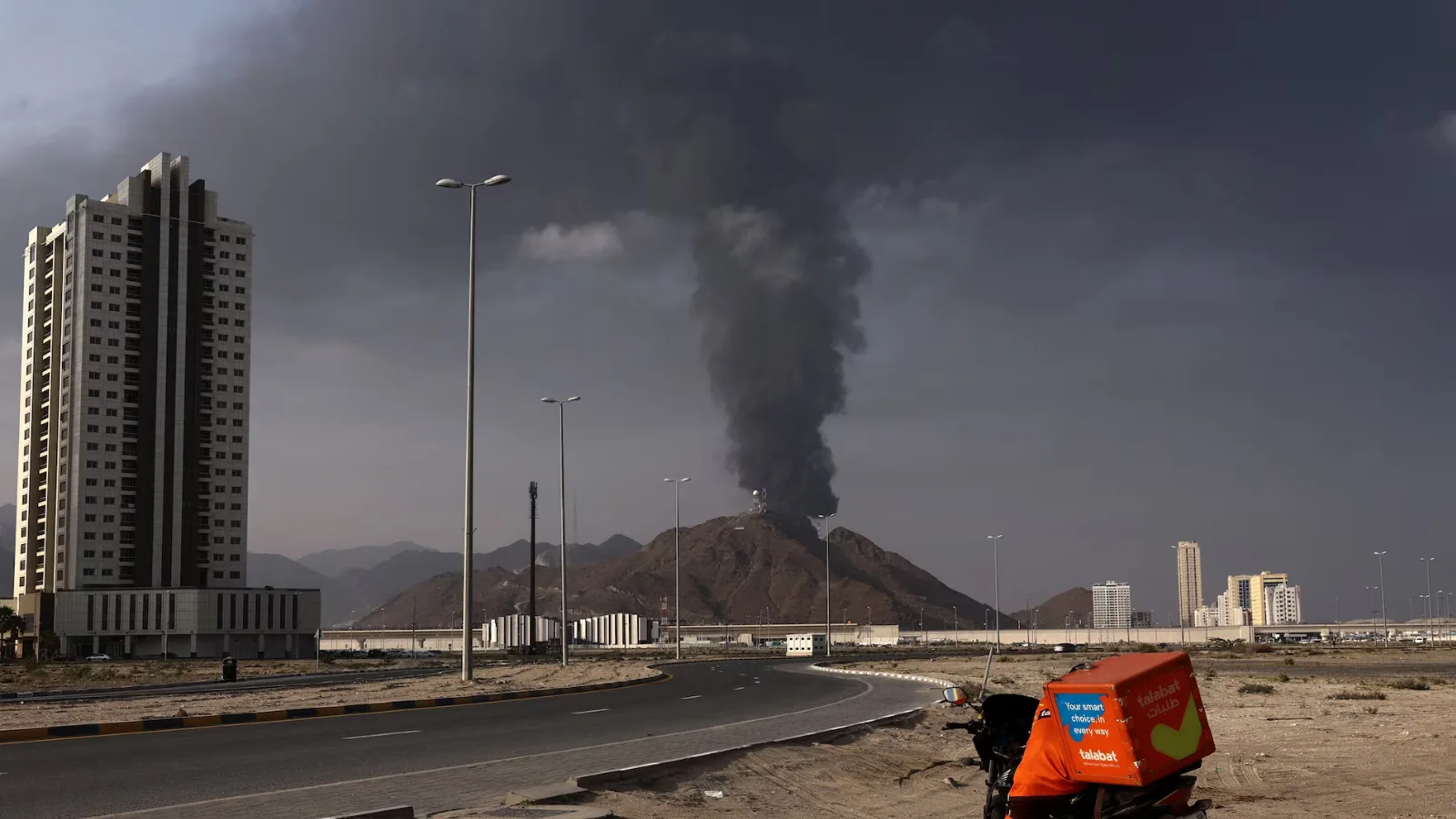
By September 3, Iran's military said it had struck deeper into the Gulf's American military footprint, claiming to have hit satellite communication systems, equipment depots and fighter aircraft hangars at Kuwait's Ahmad al-Jaber Air Base, while separately targeting radar systems and personnel at the UAE's Al Minhad Air Base. The expanding target list signalled Tehran was no longer confining its response to the immediate aftermath of a single US strike, but treating American military infrastructure across the wider Gulf as fair game. Amid The Fighting, A Rare Diplomatic Breakthrough In Lebanon
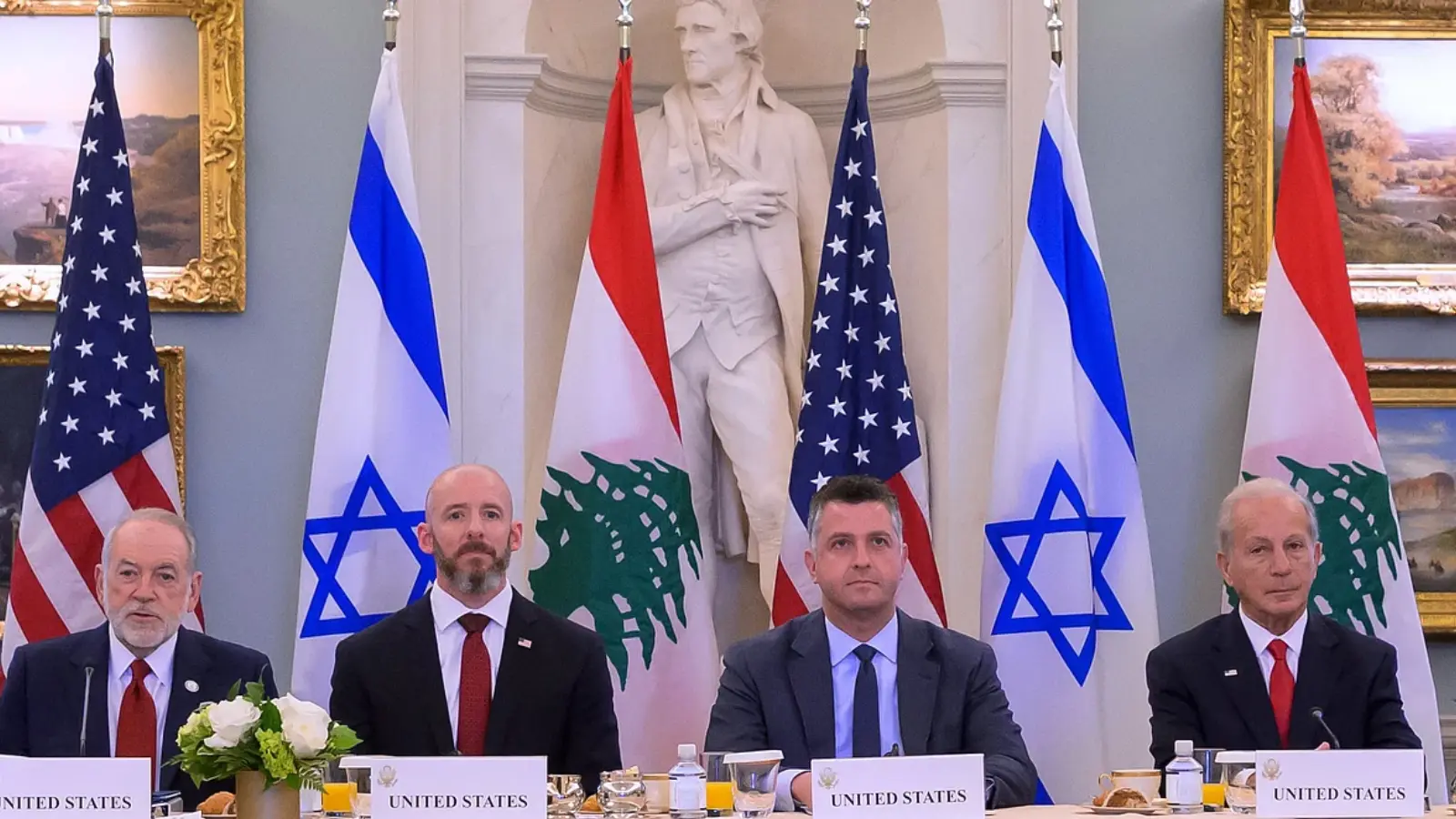
Even as the Gulf theatre escalated, US-mediated diplomacy delivered a modest breakthrough elsewhere in the region. On September 3-4, Israel released five Lebanese civilians detained in southern Lebanon, the first such handover since the latest Israel-Hezbollah war began six months earlier. The releases, facilitated by the Red Cross, were tied to a broader US-brokered framework under which Lebanon has been assisting Israel in locating the remains of Jewish community leaders killed in the 1980s. The US State Department called it the result of "US-led mediation between two legitimate governments," and said further talks were expected in the coming weeks. Iran Threatens Oil Tankers As Hormuz Tensions Spike
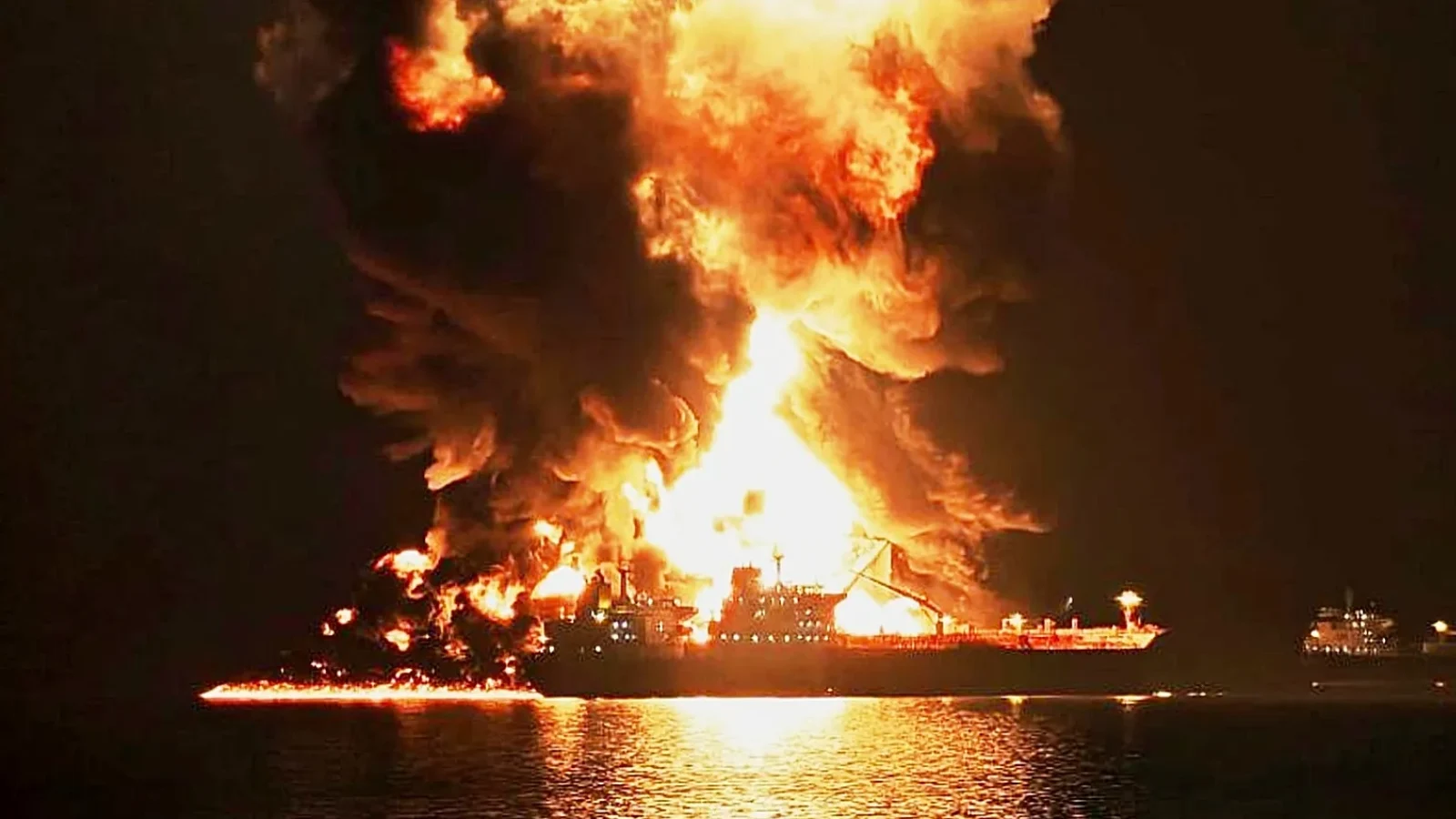
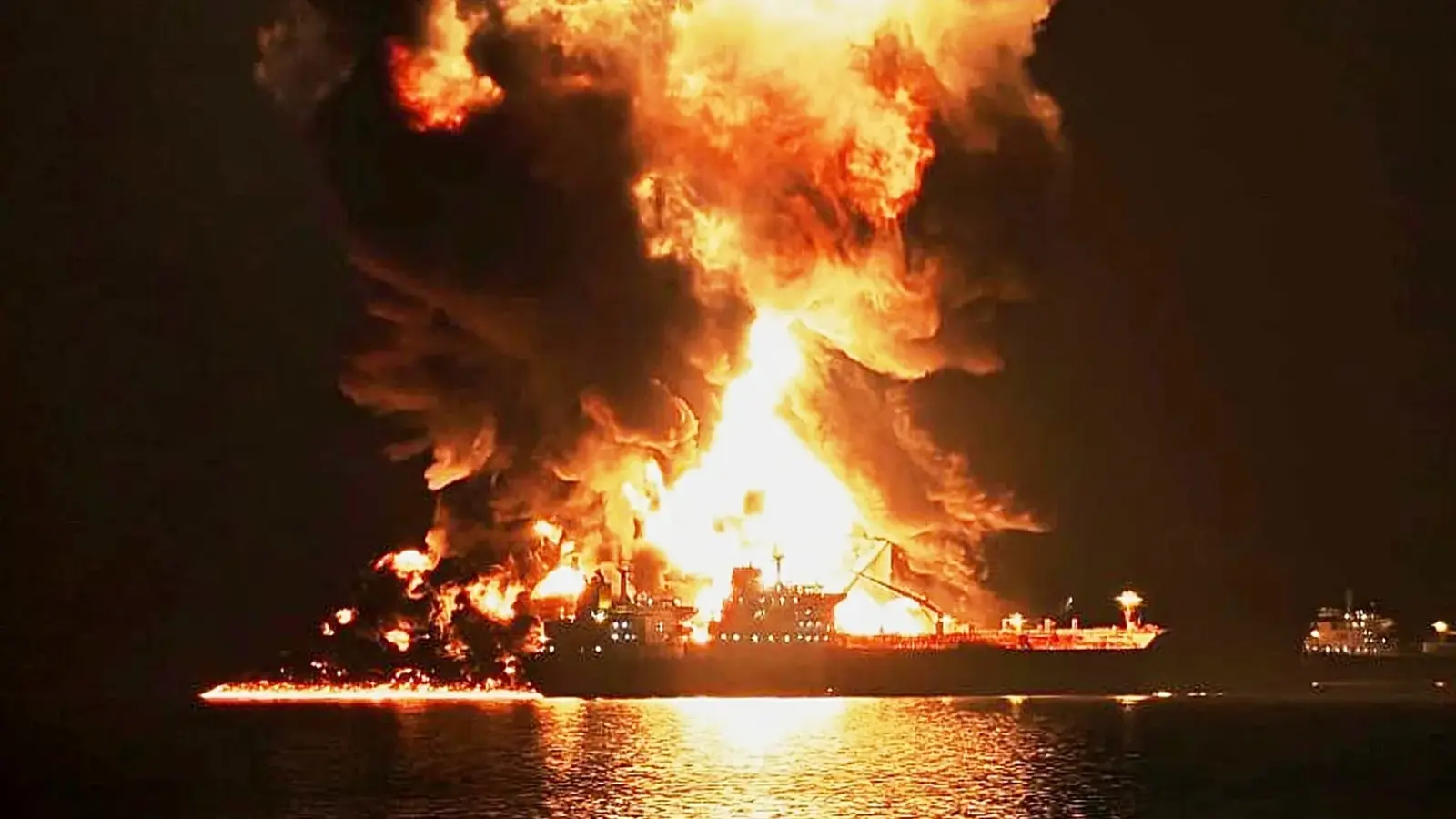
On September 5, Iran escalated its rhetoric further, warning of "more severe attacks" against the US Navy and claiming it was prepared to directly target oil tankers moving through the Strait of Hormuz. The threat marked a significant shift, moving the conflict from military installations toward the global energy trade passing through the waterway, with the potential to rattle oil markets and shipping insurance costs well beyond the region. Iran Draws A New Line In The Gulf As Its Parliament Speaker Issues A Warning
On September 6, a senior Iranian security official said the country would soon announce a new restricted zone in the Gulf, effectively expanding the area it considers off-limits to foreign military activity. The same day, parliament speaker Mohammad Bagher Ghalibaf delivered one of the sharpest warnings yet, declaring that any attack against Iran's interests and security would now receive a response that was "swift, heavy, and far more painful." Together, the two developments suggested Tehran was hardening its posture rather than de-escalating, even as fighting continued to spread across Gulf states hosting American forces. |
-
 Jobaaj Stories
- Published: Sep 08 2026