Starlink vs Jio: Why Can’t Elon Musk Launch in India Yet?
Elon Musk’s Starlink faces security clearances, spectrum pricing and data concerns in India, raising questions about competition, regulation and Ambani’s role.

- Published
- Reading time
- 4 minutes
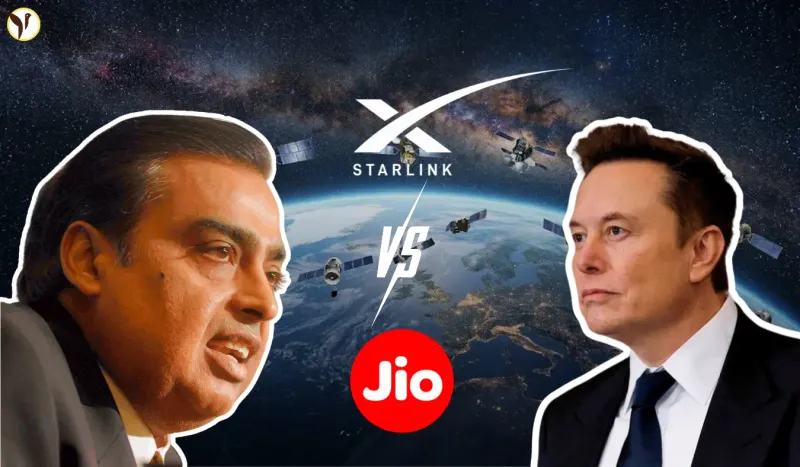
Elon Musk has turned India’s satellite-internet debate into a very personal-looking fight with Mukesh Ambani. But strip away the billionaire drama, and there is a much more interesting question underneath: is India actually blocking Starlink, or is Starlink simply running into the same regulatory system that every satellite operator has to navigate?
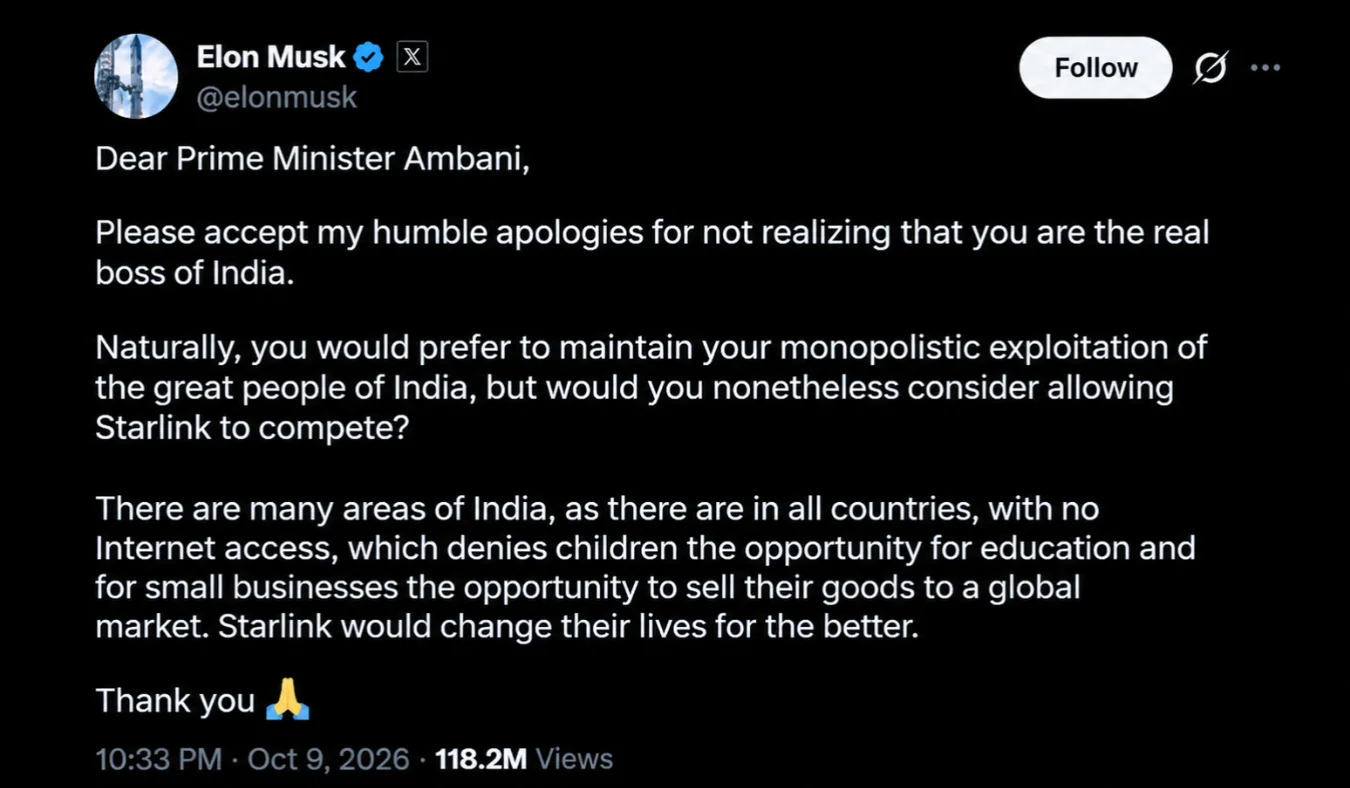
Musk’s latest jab was designed to make the issue simple. Addressing Prime Minister Narendra Modi as “Prime Minister Ambani,” Musk sarcastically suggested that Ambani was the “real boss of India.” He linked the argument to children who could get education, small businesses that could reach markets and disaster victims who could receive connectivity through Starlink.
It is an effective argument because it turns a complicated regulatory dispute into a familiar story: a global technology company trying to connect people, while a powerful local billionaire supposedly stands in its way.
India’s Satellite Rules Tell a Different Story
Three companies currently hold satellite communication licences in India: Starlink, Jio Satellite Communications and Bharti-backed Eutelsat OneWeb. All three still need security clearance before they can move ahead with commercial operations.
If Jio were already cleared while Starlink was being held back, Musk’s monopoly argument would be much easier to understand. But Jio is waiting too. So is OneWeb. The regulatory bottleneck currently affects multiple operators.
There is also an important distinction around Amazon’s Project Kuiper. Kuiper has expressed interest in the Indian market, but it does not yet have a licence. It is not actually sitting in the same regulatory queue as Starlink and Jio.
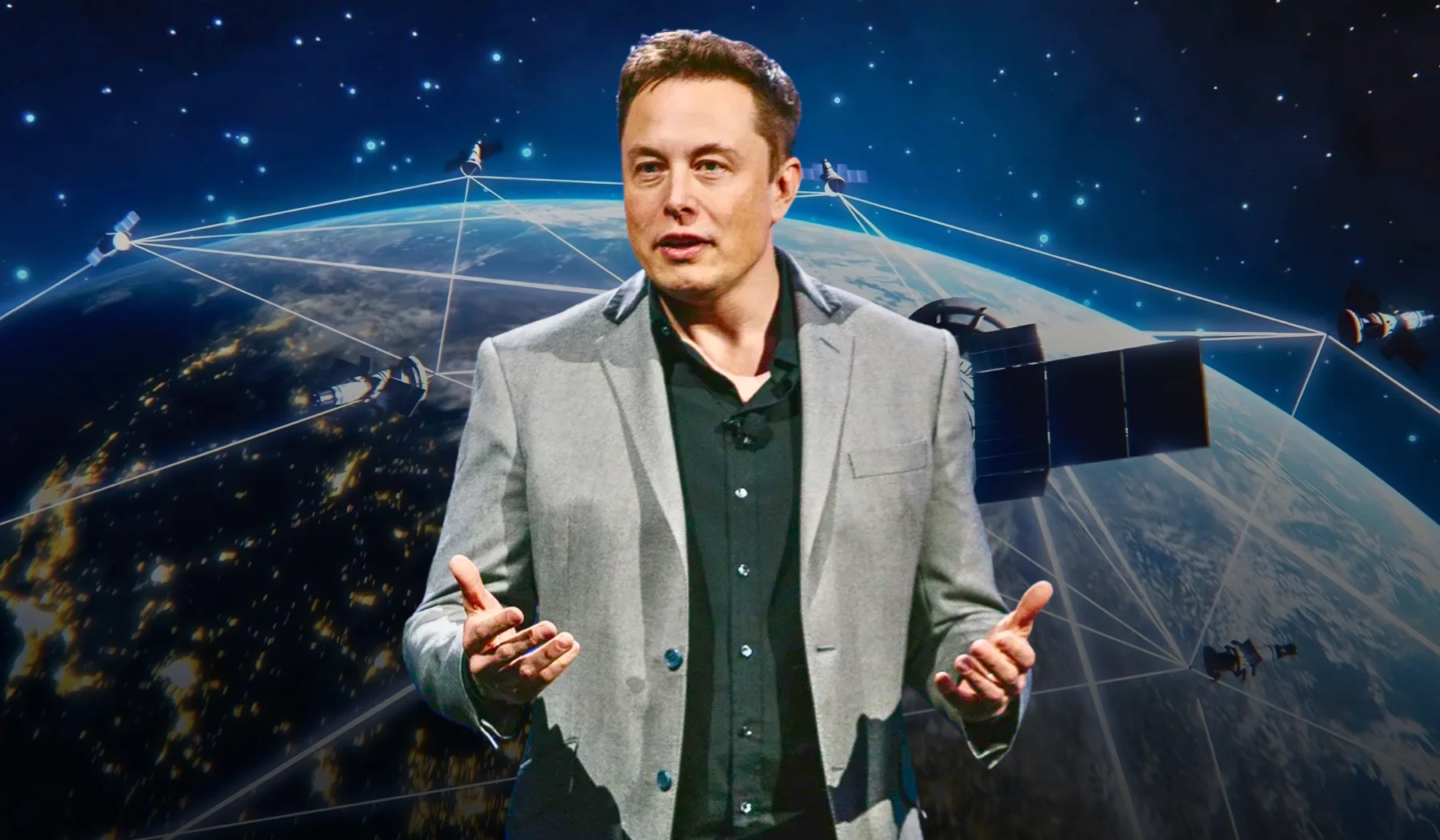
Starlink is not competing only with Ambani. It is trying to enter a market where licensing, security approval and spectrum allocation are separate hurdles.
India still has to determine how satellite spectrum will be assigned and what operators will pay for it. Even if security clearances arrive, another major commercial question remains unresolved.
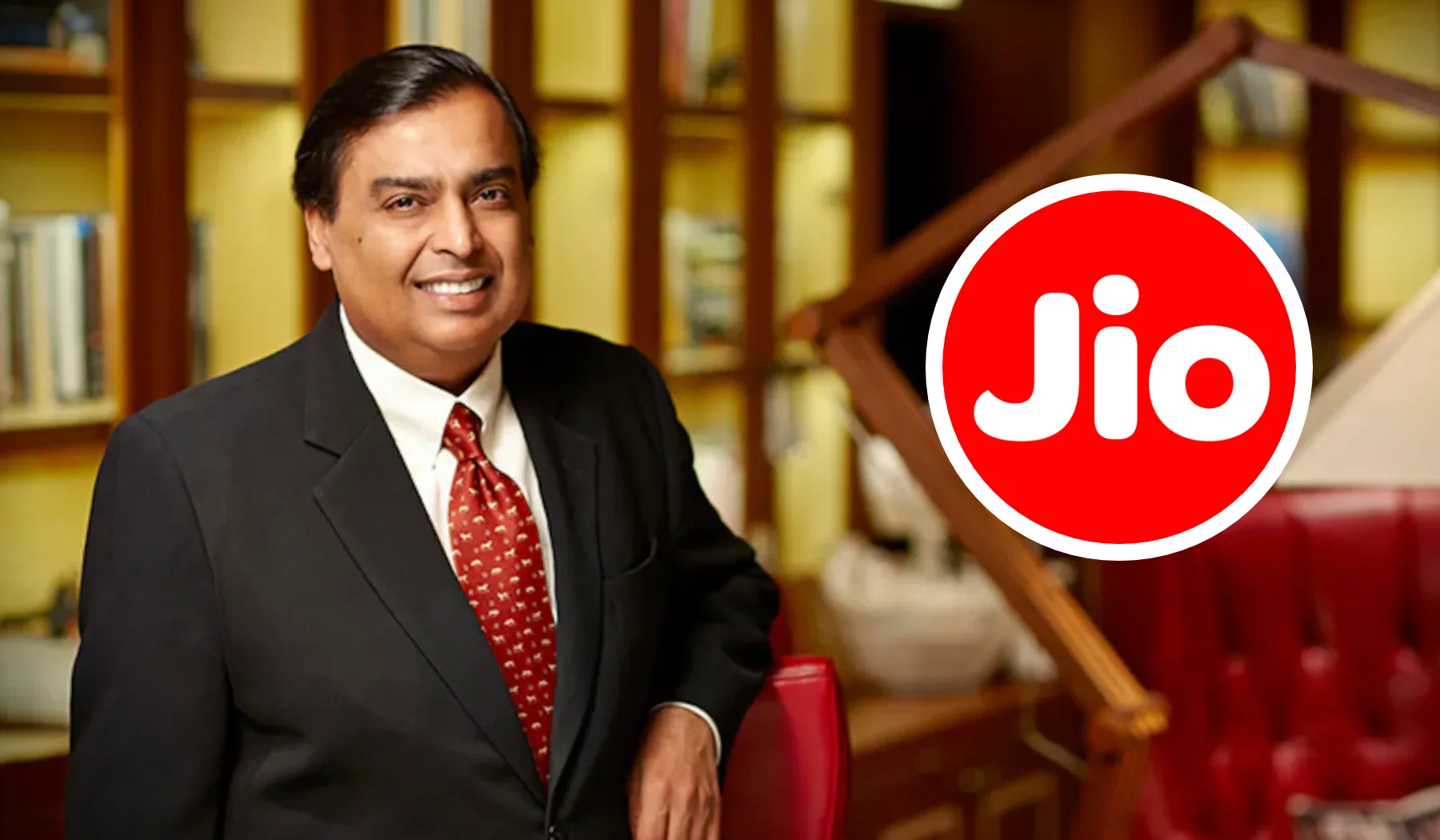
Reliance has kept its response relatively restrained, saying it has never feared competition and that every satellite operator should comply with Indian laws. There is an obvious self-interest in that statement, given Jio’s own satellite business, but there is also an inconvenient fact for the monopoly argument: Jio itself is waiting for the same security clearance.
Why the Opposition to Starlink Goes Beyond Ambani
And the criticism of Starlink is not coming only from Reliance.
Zoho founder Sridhar Vembu has challenged Musk by pointing to the protection Tesla receives in the United States from Chinese electric-vehicle competition. His argument raises a broader question: can a company demand open markets abroad while benefiting from domestic protection at home?
Then there is the data question.
The Confederation of All India Traders has raised concerns over data sovereignty and the possibility of Indian users’ data moving through satellite links and infrastructure outside India. There are also broader concerns about how much control a foreign private company could have over critical communications infrastructure during a national emergency.
What Starlink’s Ukraine Experience Means for India
That brings us to Ukraine.
Starlink’s role in Ukraine has become an important reference point in discussions about India’s satellite internet plans, raising questions about the strategic implications of relying on privately operated satellite networks. However, this does not mean Starlink is about to shut down Indian connectivity during a crisis. There is no evidence of that.
The bigger concern is dependence. When a country relies on privately controlled foreign infrastructure for strategically important communications, the company operating that infrastructure can become an important decision-maker during a crisis. For India, that makes satellite internet a national-policy issue, not simply a telecom licensing issue.

Can Starlink Compete With India’s Cheap Mobile Data?
But there is another reality Musk’s rural-India pitch has to confront: price.
India already has extraordinarily cheap mobile data, with costs estimated at around ₹7.74 per GB. Starlink can offer connectivity in remote locations where fibre and terrestrial towers are difficult or expensive to deploy. But it is unlikely to beat ordinary mobile data on price.
That means Starlink’s early customers may be enterprises, remote businesses, institutions and locations with poor terrestrial connectivity rather than ordinary rural households.
So there are really two separate questions being debated: Can Starlink enter India? And once it does, how large is the market it can realistically serve?
The first depends on regulation. The second depends on economics. Neither question is answered by a Musk-Ambani exchange on social media.
What to Watch Next: Spectrum Rules and Amazon’s Kuiper
The key thing to watch is whether India resolves spectrum pricing before or after the pending security clearances. That sequence could reveal where the government sees the bigger difficulty.
The other company worth watching is Amazon’s Kuiper. If it eventually moves through India’s regulatory process without the kind of public confrontation surrounding Starlink, it could provide a useful comparison for evaluating Musk’s argument.
Because the real question is not whether Mukesh Ambani is trying to keep Elon Musk out.
It is whether India is building a regulatory gate for every satellite company or whether Musk has become the loudest person stuck outside it.