Nepal Flood Horror: 40 Homes Swept Away, 6 Bridges Gone and 10 Missing
Flash floods in Nepal's Gorkha district swept away dozens of homes and six bridges. Ten people are reported missing as rescue teams search affected areas.

- Published
- Reading time
- 9 minutes
A sudden flash flood in Nepal's Gorkha district has caused widespread destruction, sweeping away dozens of homes and six bridges and leaving people missing. The disaster struck along the Budhi Gandaki River in the early hours of Sunday, October 11, 2026, forcing residents to seek safety as rescue teams rushed to affected areas.
Local reports said around 35 to 40 houses were swept away by the powerful floodwaters. Six bridges, including motorable and suspension bridges, were also reported destroyed. Officials reported that up to 10 people were missing, although some reports gave a lower figure as rescue teams continued to collect information.
The flooding damaged settlements, disrupted transport links and raised concerns about communities located downstream. Nepal's security forces and emergency teams were mobilised to search for missing people, evacuate residents and provide assistance to those affected.
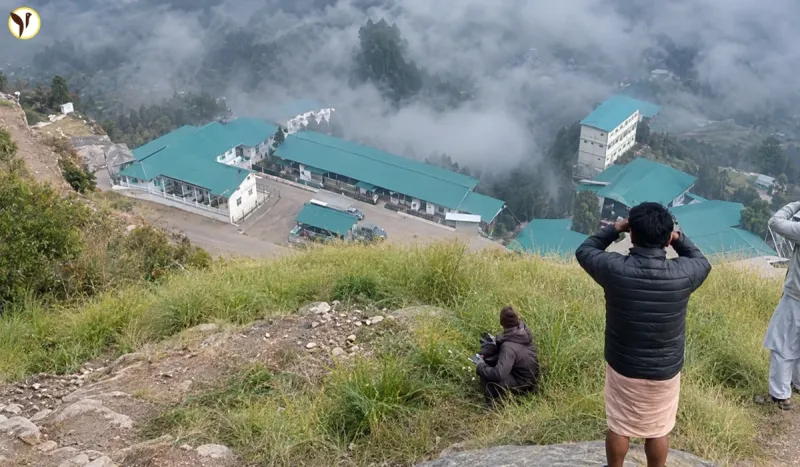
The disaster has also affected a region popular with trekkers, raising concerns about tourists who may be unable to leave remote areas because of damaged bridges and blocked routes.
What Happened in Nepal's Gorkha District?
The flash flood struck the northern part of Gorkha district, in central Nepal, at around 4 am local time on Sunday.
The affected area includes Chumnubri Rural Municipality and settlements along the Budhi Gandaki River. The river and its surrounding valleys are important routes for local communities, but the mountainous landscape can make rescue work difficult during extreme weather.
According to early reports, the flood damaged or destroyed houses in areas including Painyu and Bagar. Other settlements, including Jagat, Salleri, Dovan and Ghattekhola, were also reported to have suffered damage.
The sudden arrival of floodwaters left little time for people in the most affected locations to respond. Residents were urged to move away from riverbanks and reach safer ground.
Officials continued to assess the damage as information arrived from remote villages. The final number of damaged homes and affected families may change as inspections continue.
How Many Homes and Bridges Were Destroyed?
The destruction of homes and bridges has become one of the most serious concerns following the flood.
Around 40 Homes Swept Away
Local reports said approximately 35 houses in the Painyu and Bagar areas were swept away. Other reports placed the total number of homes lost or affected at around 40.
The homes were exposed to fast-moving water, mud and debris. The loss of houses can leave families without shelter, food, clothing and other essential supplies.
Authorities need to identify families who have lost their homes and determine where temporary shelter and relief assistance are required.
Six Bridges Destroyed
Reports from local officials said six bridges were swept away. These included motorable bridges and suspension bridges used by residents to travel between settlements.
The damage has disrupted important connections between villages and made it more difficult for people to reach markets, healthcare facilities and other essential services.
When bridges disappear during a flood, rescue teams may also have to find alternative routes or use helicopters to reach isolated communities.
The loss of transport links is especially serious in Nepal's mountainous regions, where steep terrain and rivers can make road travel difficult even under normal conditions.
Why Did the Budhi Gandaki River Flood?
Early reports indicate that a landslide blocked a river channel or tributary upstream, allowing water to build up behind the obstruction.
When the temporary blockage gave way, a sudden surge of water and debris moved downstream. This type of event can cause a dangerous flash flood, even in places where there was little warning of a major rise in water levels.
A landslide-created blockage can act like a temporary natural dam. If it suddenly breaks, the stored water may rush into downstream areas with considerable force.
The exact sequence and full extent of the blockage were still being assessed in early reports. Authorities and disaster specialists need to examine the affected area to establish the precise cause and identify any remaining hazards.
The incident highlights a particular risk in mountainous regions: landslides can change the flow of rivers, while sudden releases of water can threaten communities far downstream.
How Many People Are Missing?
Reports on the number of missing people have differed as the situation has developed.
Some reports citing local officials put the number at 10, while other reports from national authorities gave a lower figure of five. These differences may reflect the timing of updates and the process of confirming who is missing.
Search and rescue teams have been working to locate people who could not be accounted for after the flood. In remote areas, it can take time for officials to contact residents, check affected settlements and confirm reports from families.
At the time of the initial reports, no confirmed widespread death toll had been announced. However, the situation remained serious, and the final casualty figures could change as more information becomes available.
Authorities must verify the missing-person count carefully so that families receive accurate information and rescue efforts can focus on the areas where people may still need help.
What Is Nepal Doing to Rescue Affected Residents?
Nepal's security forces and emergency teams have been deployed to support search, rescue and evacuation operations.
The Nepal Army has used personnel and helicopters to help reach affected areas, deliver supplies and evacuate people where necessary. Ground teams are also working to assess damage and support communities affected by the flooding.
Reports from the initial rescue operation said 49 people had been rescued by Sunday afternoon. Rescue work has been complicated by damaged bridges, difficult terrain and the distance between remote settlements.
Officials have also urged residents living near the river to move to safer locations. People in downstream areas have been advised to follow local alerts because further changes in river levels could create additional danger.
The main priorities are to find missing people, prevent further loss of life, provide essential supplies and restore access to communities cut off by the flood.
Are Tourists Stranded in Nepal's Manaslu Region?
The flood has raised concerns about foreign tourists and trekkers travelling through the wider Manaslu region.
The area is known for its mountain trails and attracts visitors during the autumn trekking season. However, damaged bridges and blocked routes can make it difficult for trekkers to continue their journeys or return to major towns.
Reports on October 12 said more than 150 foreign tourists were stranded in the affected region. The exact locations and circumstances of all the tourists were not immediately clear.
Rescue teams and local authorities have been working to assess the situation and determine how people can be moved safely.
Tourists in affected areas should follow instructions from local authorities, trekking agencies and emergency teams. Attempting to cross damaged bridges or swollen rivers can put lives at risk.
Which Areas Are at Risk After the Flood?
The danger may extend beyond the settlements directly affected by the initial surge.
Authorities have issued alerts for several downstream districts, including Dhading, Tanahun, Chitwan, Nawalparasi East and Nawalparasi West, according to early situation reports.
The Budhi Gandaki River is part of a wider river system connected to the Trishuli. This means that changes in water levels can create concerns for communities further downstream.
Residents have been advised to stay away from riverbanks and avoid crossing swollen rivers. They should also pay attention to official evacuation instructions and reports about changing water levels.
The situation can change quickly when a river blockage breaks or when further landslides occur. People should not assume that an area is safe simply because the initial floodwaters have passed.
Why Are Flash Floods So Dangerous in Mountainous Areas?
Flash floods develop rapidly and can carry large amounts of water, mud, rocks and fallen trees. Unlike some slower-rising floods, they may give residents very little time to escape.
Nepal's mountainous terrain creates additional risks. Narrow valleys can channel water into settlements, while landslides can block rivers and create sudden surges when the blockage fails.
Remote villages may also have limited road access, making emergency response more difficult. If bridges are destroyed, rescuers may need to use helicopters or travel long distances to reach affected people.
These conditions make early warnings, evacuation plans and reliable communication especially important for communities living close to rivers and unstable slopes.
Nepal's Flood Disaster Comes After Earlier Deadly Floods
The latest flooding has renewed concerns about Nepal's vulnerability to severe floods and landslides.
In August 2026, another devastating flood disaster near the Nepal-China border caused major loss of life and left thousands of people missing, according to earlier reports. The government had begun shifting attention towards recovery and rebuilding after that disaster.
The October flood is a separate event, affecting the Budhi Gandaki River basin in Gorkha district. The two disasters should not be confused, although both demonstrate the challenges of responding to major floods in Nepal's mountainous regions.
Repeated disasters can put pressure on emergency services, infrastructure and local communities. Roads, bridges, power lines and homes may take considerable time and resources to rebuild.
What Should People Do During a Flash Flood Warning?
People in flood-prone areas should follow instructions issued by local authorities and disaster-management teams.
Important safety steps include:
- Move away from riverbanks and low-lying areas when officials advise evacuation.
- Reach higher ground and do not wait for floodwaters to enter a home.
- Never attempt to walk or drive through fast-moving water.
- Stay away from damaged bridges, unstable slopes and areas affected by landslides.
- Keep phones charged and follow reliable emergency updates.
- Do not spread unverified reports about missing people or casualties.
Anyone in an affected area should prioritise official safety instructions over videos or rumours circulating on social media.
What Happens Next?
Rescue teams are expected to continue searching for missing people while authorities assess damage to homes, bridges, roads and other infrastructure.
The next major tasks will include confirming the number of missing people, identifying families requiring emergency assistance and restoring access to isolated settlements.
Authorities will also need to assess whether any additional river blockages or unstable slopes pose a continuing risk. Repairing damaged bridges and restoring essential services will be important for communities that depend on these connections for daily life.
The situation remains developing, and updated official information will be needed to establish the final toll of the disaster.
The flash flood along Nepal's Budhi Gandaki River has caused serious destruction in Gorkha district. Around 35 to 40 homes and six bridges were reported swept away, while up to 10 people were reported missing in some early accounts.
Rescue teams are working to reach affected communities, search for missing people and assist residents cut off by damaged infrastructure. Reports of stranded tourists have added to concerns in the wider Manaslu region.
For now, the priorities are rescue operations, safe evacuation, reliable communication and support for affected families. The final scale of the damage will become clearer as authorities complete their assessments.
Questions readers ask
When did the Nepal flash flood occur?
The flash flood struck the Budhi Gandaki River area in Gorkha district early on Sunday, October 11, 2026.
How many homes were swept away in Nepal?
Early reports said around 35 to 40 homes were swept away, mainly in affected settlements in Chumnubri Rural Municipality. The final damage assessment may change.
How many bridges were destroyed in the Nepal flood?
Reports from local officials said six bridges were swept away, including motorable and suspension bridges.
How many people are missing after the flood?
Some reports citing local officials said 10 people were missing, while other reports gave a figure of five. The number requires confirmation as rescue operations continue.
What caused the Budhi Gandaki River flood?
Early reports suggest a landslide blocked a river channel or tributary. When the blockage gave way, a sudden surge of water and debris moved downstream.