7.6 Magnitude Earthquake Hits Near Panama, Tsunami Warning Raises Concern
A powerful 7.6-magnitude earthquake struck near Panama on October 9, triggering tsunami alerts. Read about the damage, aftershocks and latest warning status.

- Published
- Reading time
- 7 minutes
A powerful earthquake struck Panama on Friday, October 9, 2026, shaking buildings, forcing people to leave homes and offices, and raising concerns about a possible tsunami. The earthquake was initially reported at a magnitude of 7.6 by the US Geological Survey (USGS). Some subsequent reports placed the magnitude at 7.7 after the initial assessment was revised.
The earthquake occurred near Pitaloza Arriba in Panama's Herrera province, close to the country's Pacific side. The tremors were felt in several parts of the country, including Panama City, where residents rushed outside as buildings shook.
The earthquake triggered tsunami alerts for parts of Central and South America. However, the initial tsunami threat was later lifted, according to updated official information. Authorities continued to assess damage and urged people to remain alert to possible aftershocks.
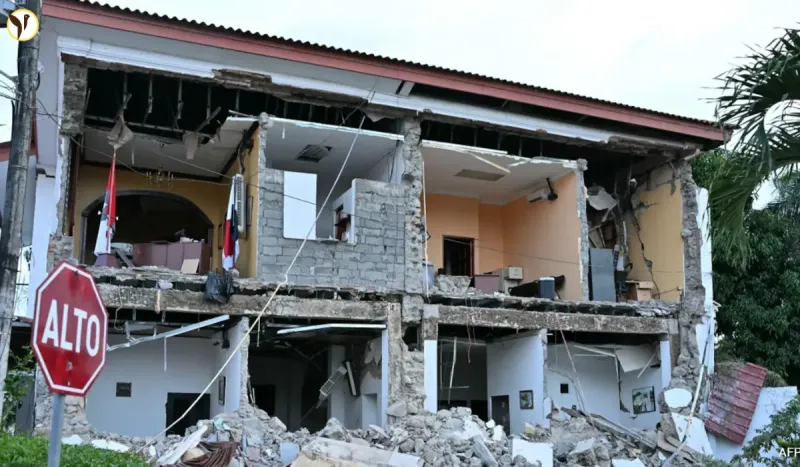
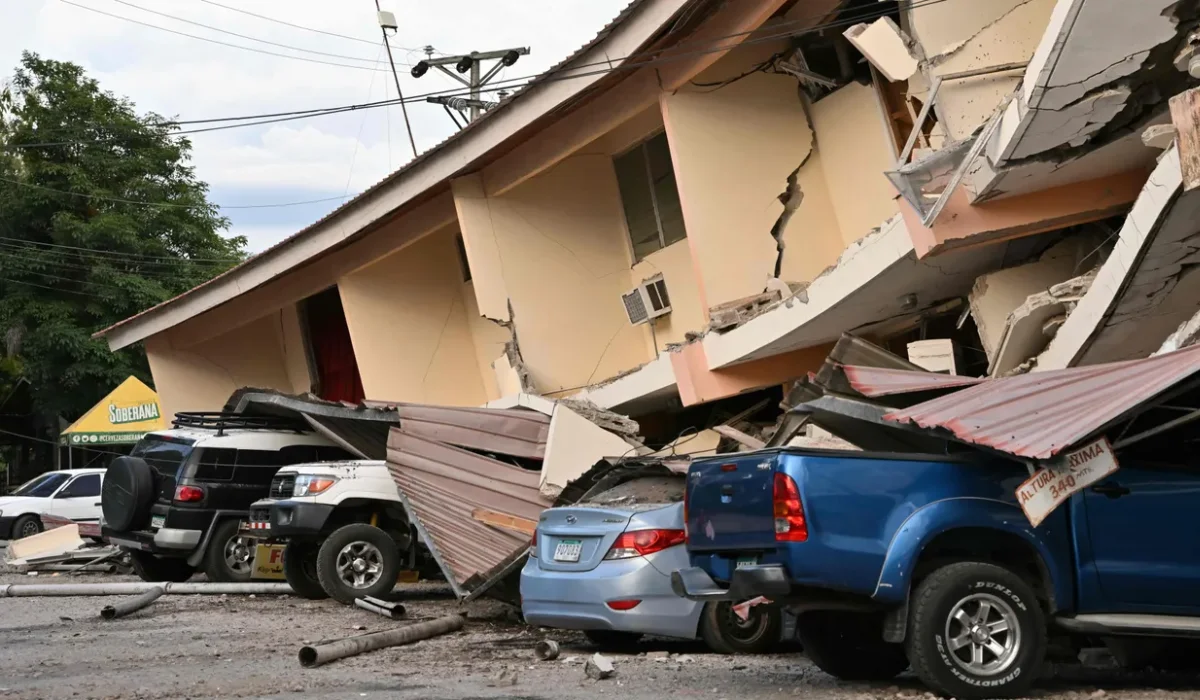
The powerful tremor damaged buildings and disrupted some services. Reports also described a second significant earthquake and numerous aftershocks in the region. No widespread loss of life had been confirmed in the initial reports, although injuries and damage were reported. The situation remained under assessment.
What Happened in Panama?
The earthquake struck on Friday afternoon local time. The USGS initially estimated its magnitude at 8.0 before revising the measurement. Its later assessment listed the event at magnitude 7.6, while some news organisations reported a revised magnitude of 7.7.
The epicentre was near Pitaloza Arriba, a community in central Panama's Herrera province. The earthquake was relatively shallow, which can make shaking more intense near the epicentre.
People in Panama City and other locations felt the ground move. Residents left buildings and gathered outdoors as a precaution. Videos and photographs from the affected areas showed damaged structures and people waiting outside while officials assessed the situation.
The tremor also affected neighbouring areas, with reports of shaking in Costa Rica and other nearby locations.
Why Did the Earthquake Trigger a Tsunami Warning?
A strong earthquake under or near the sea can move the ocean floor and displace a large volume of water. This can generate tsunami waves that travel across coastal areas.
After the Panama earthquake, the US tsunami warning system issued an initial threat message for parts of the Pacific coast. Authorities were concerned that the strength and location of the earthquake could create hazardous waves in some coastal areas.
The early alert covered multiple countries in Central and South America, with warnings about possible dangerous waves along parts of the coast. The exact threat varied by location, and the alert did not mean that a destructive tsunami would definitely occur.
As more information became available, the tsunami threat was updated and later lifted. The official US tsunami warning system subsequently reported that no tsunami warning, advisory, watch or threat was in effect for the relevant Pacific event.
This distinction is important: the initial alert was a precaution based on early earthquake data. It should not be confused with confirmation that a major tsunami struck the region.
Which Countries Were Concerned About the Tsunami Threat?
The initial tsunami messages covered parts of the Pacific coast in several countries. Depending on the update and the location, the areas mentioned included Panama, Costa Rica, Colombia, Ecuador, Nicaragua, Guatemala, El Salvador, Peru and Mexico.
Authorities issued the alerts because tsunami waves can travel beyond the area where an earthquake occurs. Even a country far from the epicentre can be affected if the earthquake displaces enough water.
However, a tsunami threat message does not mean that every listed country will experience dangerous waves. The risk depends on factors such as the earthquake's location, depth, magnitude and the shape of the coastline.
The initial alerts were later updated as experts reviewed seismic and ocean data. Readers should therefore rely on the latest official warning status rather than older social media posts or screenshots.
What Damage Did the Earthquake Cause?
The earthquake caused damage to buildings and infrastructure in parts of Panama. Some structures near the affected region were damaged, while reports described residents evacuating buildings in the capital and other locations.
Authorities also reported disruption to some services as safety checks were carried out. Operations at Tocumen International Airport were temporarily interrupted before resuming, according to reports. The Panama Canal was reported to be unaffected.
The full extent of the damage was not immediately clear. Emergency teams and local authorities needed time to inspect buildings, roads and public infrastructure before they could provide a complete assessment.
Officials and emergency services also had to consider the possibility of further damage from aftershocks.
Were There Any Deaths or Injuries?
Initial reports described injuries and damage, including injuries linked to falling debris. However, no widespread loss of life had been confirmed in the early reports available after the earthquake.
The situation was still developing as authorities inspected damaged buildings and gathered information from affected areas. Initial casualty figures can change as rescue teams reach more locations and hospitals provide updated information.
For this reason, early reports should be treated cautiously. A confirmed final count of deaths, injuries or people displaced should only be reported when the relevant authorities release updated figures.
Why Are Aftershocks a Concern?
Aftershocks are smaller earthquakes that occur after a major earthquake as the Earth's crust adjusts to changes caused by the main event. They can happen minutes, hours or days after the first tremor.
Some aftershocks can still be strong enough to damage buildings already weakened by the main earthquake. This is why residents are often advised to stay away from visibly damaged structures and follow instructions from emergency officials.
Reports after the Panama earthquake described numerous aftershocks, along with another significant tremor. Authorities needed to monitor the region and inspect structures for further damage.
Residents should avoid entering damaged buildings until they have been declared safe. If shaking begins again, people should follow local emergency guidance and protect themselves from falling objects.
Is Panama at Risk of Earthquakes?
Yes. Panama lies in a region affected by the movement and interaction of tectonic plates. These movements can build stress in the Earth's crust, which is eventually released through earthquakes.
Panama is also part of a wider region around the Pacific known for significant seismic activity. Earthquakes can occur offshore or beneath land, and their effects depend on magnitude, depth, distance from populated areas and local building conditions.
A major earthquake does not automatically lead to a tsunami. A tsunami is more likely when an earthquake causes significant movement of the seafloor and displaces water. That is why specialists examine the earthquake's location and other data before issuing or updating tsunami alerts.
What Should People Do After a Strong Earthquake?
People in affected areas should follow instructions from local emergency and disaster-management authorities. They should also keep away from damaged buildings, bridges and other structures until safety checks are complete.
If authorities issue a tsunami evacuation order, people in coastal areas should move to higher ground or designated safe locations without waiting to see whether waves arrive. They should not return to the shoreline until officials confirm that it is safe.
Residents should monitor official alerts, prepare for possible aftershocks and avoid spreading unverified claims about casualties or tsunami waves. Information can change quickly during a major earthquake, especially during the first hours.
What Happens Next?
Authorities will continue assessing structural damage, checking public infrastructure and reviewing reports from affected communities. Emergency services may also inspect buildings that could have been weakened by the earthquake or subsequent aftershocks.
The tsunami warning was a major concern in the initial response, but updated official information later indicated that the threat had been lifted. People in affected areas should still follow local safety instructions and pay attention to any new official alerts.
The final picture of the earthquake's impact will become clearer as authorities complete inspections and publish verified information about damage and injuries.
The powerful earthquake near Panama on October 9 caused widespread concern, damaged buildings and prompted precautionary evacuations. Its initial magnitude was reported at 7.6, while some later reports placed it at 7.7.
The earthquake also triggered tsunami alerts for parts of the Pacific coast, but the initial threat was subsequently lifted. The key priorities now are checking damaged structures, monitoring aftershocks and following official safety updates.
The event is a reminder that strong earthquakes can create risks beyond the immediate shaking. Accurate information and timely action from local authorities remain essential during such emergencies.
Questions readers ask
When did the earthquake hit Panama?
A powerful earthquake struck Panama on Friday, October 9, 2026. The tremor was felt in several parts of the country, including Panama City.
What was the magnitude of the Panama earthquake?
The US Geological Survey listed the earthquake at magnitude 7.6 in its later assessment. Some news reports gave a magnitude of 7.7 following revisions to the initial estimate.
Why was a tsunami warning issued after the earthquake?
The strong earthquake raised concerns that movement beneath or near the sea could displace water and generate dangerous waves along some Pacific coastlines.
Is the tsunami warning near Panama still active?
The initial tsunami threat was later lifted. The official US tsunami warning system subsequently reported that no warning, advisory, watch or threat was in effect for the event. People should continue following local emergency instructions.
Which countries were included in the initial tsunami alerts?
Initial reports mentioned Panama, Costa Rica, Colombia, Ecuador, Nicaragua, Guatemala, El Salvador, Peru and Mexico, although the specific threat varied by location and was later updated.