Vande Bharat Sleeper Train Upgrade: Why 24 Coaches Could Be a Big Change
Indian Railways plans a 24-coach Vande Bharat Sleeper train with a pantry car, more toilets and upgraded interiors. Check the latest update and expected benefits.

- Published
- Reading time
- 9 minutes
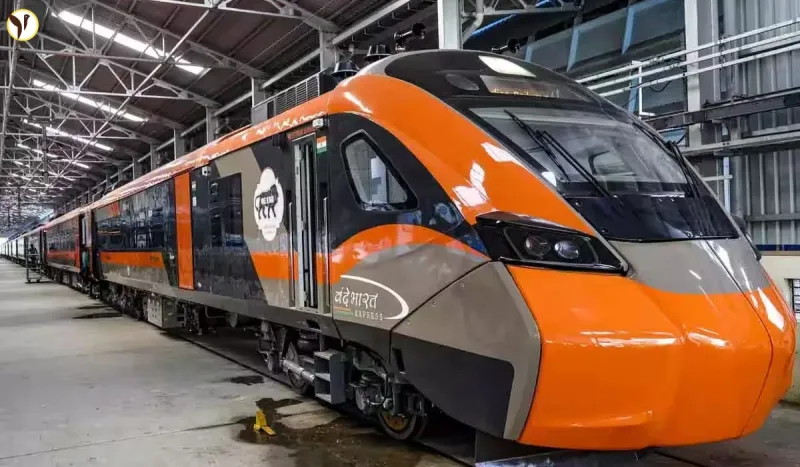
Indian Railways is planning a bigger version of the Vande Bharat Sleeper train, and the move could make a difference for passengers travelling long distances overnight. The new version is expected to have 24 coaches, compared with the 16-coach configuration used in the first sleeper trainsets.
The planned upgrade is attracting attention because it is not just about making the train longer. Reports indicate that the 24-coach version is also expected to include a pantry car, additional toilets and upgraded interiors. These changes could help improve passenger capacity and make long-distance journeys more convenient.
The Integral Coach Factory (ICF) in Chennai has been assigned the task of manufacturing 50 Vande Bharat Sleeper trainsets in the 24-coach configuration. Reports have mentioned June 2027 as a target for the rollout of this version, although the actual production and passenger-service dates will depend on progress and official announcements.
So, why does the 24-coach upgrade matter? What could change for passengers, and when might they get to travel on these trains? Here is a detailed look at the latest developments.
What Is the 24-Coach Vande Bharat Sleeper Train?
The Vande Bharat Sleeper is designed for long-distance journeys where passengers need sleeping berths rather than only seats.
Unlike the familiar Vande Bharat Chair Car trains, which mainly serve daytime travel, the sleeper version is intended to make overnight journeys more comfortable. It combines modern train technology with sleeping accommodation and passenger facilities.
Indian Railways has already introduced a Vande Bharat Sleeper service between Howrah in West Bengal and Kamakhya in Assam. The first service began regular operation on January 22, 2026, according to a written reply from the Ministry of Railways.
The next step is to expand production and introduce larger trainsets. The proposed 24-coach version is intended to carry more passengers and provide additional onboard facilities.
The key point is that the 24-coach version is a planned upgrade. Passengers should not assume that all these new features are already available on every Vande Bharat Sleeper train.
Why Are 24 Coaches a Big Change?
The biggest expected benefit is increased passenger capacity.
A train with 24 coaches has more coaches than a 16-coach trainset. This creates the possibility of offering more berths, depending on the final coach layout and the number of berths in each coach.
For popular overnight routes, additional berths could help Indian Railways accommodate more passengers on a single train service. It could also give the railway system more flexibility when planning long-distance services.
However, the exact number of passengers the upgraded train will carry has not been confirmed in the reports cited here. The final capacity will depend on the approved coach design and seating or berth arrangement.
The larger train could be particularly useful on routes where demand for overnight travel is high. But its real impact will also depend on the routes selected, the number of services introduced and the frequency of operation.
In simple terms, more coaches can mean more travel capacity, but the benefit passengers experience will depend on how the trains are deployed.
What New Features Are Expected in the 24-Coach Version?
Reports on the planned upgrade have highlighted three important changes: a pantry car, additional toilets and improved interiors.
Pantry Car for Onboard Food Services
One of the reported changes is the inclusion of a pantry car.
A pantry car can support food preparation or onboard catering operations, depending on the final design and service arrangements. For passengers travelling overnight, convenient access to meals and refreshments can make a long journey easier.
A dedicated pantry facility may also help railway operators organise food services more effectively.
However, passengers should wait for the final official details to know exactly how catering will work, what food options will be available and whether the arrangements will differ across routes.
Additional Toilets
Another expected change is the provision of more toilets.
On a long-distance sleeper train, toilets are important for passenger comfort and hygiene. Additional facilities could help manage demand during busy journeys, especially when the train is carrying a large number of passengers.
The actual improvement will depend on the final coach layout, maintenance standards and cleaning arrangements during the journey.
More toilets alone cannot guarantee better hygiene, but a well-designed layout combined with regular cleaning could improve the overall experience.
Upgraded Interiors
Reports have also referred to upgraded interiors in the larger sleeper version.
Interior design matters on overnight trains because passengers spend several hours resting or sleeping onboard. Good lighting, practical berth arrangements, convenient access to essential facilities and well-maintained spaces can make the journey more comfortable.
The exact interior changes will depend on the final production design. Until detailed specifications are officially released, it would be premature to claim that particular new facilities or layouts are guaranteed.
Vande Bharat Sleeper: 16 Coaches vs 24 Coaches
The main difference is the planned size of the trainset. The 24-coach version is intended to provide a larger configuration for long-distance overnight travel.
|
|
|
|
|
|
|
|
|
|
|
|
|
|
|
|
|
|
|
|
|
|
|
|
|
|
|
|
|
|
|
|
The comparison shows why the new configuration matters. However, the final technical specifications and passenger capacity should be confirmed through official railway documents.
When Will the 24-Coach Vande Bharat Sleeper Train Launch?
This is one of the biggest questions for railway passengers.
Reports published on October 12, 2026, said that ICF Chennai had been tasked with manufacturing 50 Vande Bharat Sleeper trainsets in the 24-coach configuration. They also mentioned June 2027 as a target for rollout.
It is important to understand what this date means. A manufacturing or rollout target is not necessarily the date on which passengers can book tickets and travel.
Before a new trainset enters regular passenger service, production, testing, certification and operational preparations must be completed as required. The route, timetable, ticket availability and commercial launch date also need to be announced.
Therefore, June 2027 should be treated as a reported target rather than a confirmed public launch date.
Passengers should watch for announcements from the Ministry of Railways and Indian Railways before making travel plans based on the new version.
How Many Vande Bharat Sleeper Trains Are Planned?
The 24-coach programme is part of a larger effort to expand India's Vande Bharat Sleeper fleet.
In a press release dated February 4, 2026, the Ministry of Railways said that 260 Vande Bharat Sleeper trainsets were planned for manufacture. The programme was to be carried out in phases involving BEML, ICF Chennai and technology partners.
The government also explained that production and introduction into regular passenger service would depend on factors such as demand and operational readiness.
This means the railway expansion is not limited to a single new train. It is a wider programme aimed at increasing the availability of modern sleeper services over time.
Still, a manufacturing target should not be confused with the number of trains already running. Production, testing and service introduction take place in stages.
Could the New Train Challenge the Rajdhani Express?
The planned Vande Bharat Sleeper upgrade is also drawing comparisons with the Rajdhani Express, which is known for premium long-distance travel.
A larger Vande Bharat Sleeper train could compete for passengers on some routes if it offers a suitable combination of journey time, comfort, onboard services and ticket prices.
But the comparison is not as simple as saying one train will automatically replace the other.
Passenger demand, route distance, scheduled stops, operating speed, track conditions, fares and service frequency all influence which train is more useful for a particular journey.
The Vande Bharat Sleeper's success will depend on its performance in regular service and the value it offers to passengers. The 24-coach version could strengthen its capacity, but its actual competitiveness will become clearer once its detailed specifications and routes are announced.
What Could the Upgrade Mean for Passengers?
For passengers, the biggest potential benefit is the combination of more capacity and improved onboard facilities.
More berths: A larger trainset could offer more accommodation, depending on its final design.
Better access to food: A pantry car could support onboard catering and make meal arrangements more convenient.
More toilet facilities: Additional toilets could help manage demand on busy overnight journeys.
Improved travel comfort: Upgraded interiors could make the train more suitable for long-distance travel.
More modern sleeper options: If production and service expansion proceed as planned, more passengers may eventually have access to modern overnight train services.
These are potential benefits, not guarantees. The passenger experience will also depend on maintenance, cleanliness, punctuality, ticket availability and how the railway operates each service.
24-Coach Vande Bharat Sleeper Train: Is Indian Railways planning new variant with pantry car, features better than Rajdhani Express? https://t.co/8tIHvCjlFA
— ET NOW (@ETNOWlive) October 12, 2026
Will Ticket Prices Be Higher?
The final ticket prices for the planned 24-coach version should not be assumed before the relevant fare details are announced.
Fares can depend on the class of travel, route distance and the applicable railway pricing rules. The introduction of new features does not, by itself, confirm how much a ticket will cost.
Passengers should also remember that the cost of a journey is only one part of the decision. Availability of berths, travel time, onboard services and the route served can all influence whether a train is a suitable choice.
Once the railway authorities release the fare structure and route details for the upgraded version, travellers will be able to make a more accurate comparison with other overnight trains.
What Happens Next?
The next important steps are production of the larger trainsets, confirmation of the final design and completion of the necessary testing and operational preparations.
Railway passengers will also be waiting for details about routes, schedules, fares and the date when bookings may open.
Until those announcements are made, the most reliable information is that Indian Railways is planning a 24-coach Vande Bharat Sleeper configuration and that the manufacturing programme is part of a wider expansion of sleeper trainsets.
The reported June 2027 rollout target provides an indication of the current plan, but it should not be treated as a guaranteed date for passenger operations.
A Bigger Sleeper Train, but the Details Matter
The planned 24-coach Vande Bharat Sleeper train could be an important development for India's long-distance rail network. More coaches could increase passenger capacity, while a pantry car, additional toilets and upgraded interiors could improve the onboard experience.
The project is part of Indian Railways' wider plan to expand modern sleeper services. However, passengers still need official confirmation of the final design, ticket prices, routes and passenger-service launch date.
For now, the upgrade is worth watching because it could bring more capacity and improved facilities to overnight rail travel. Its real impact will become clear as the trainsets are manufactured, tested and introduced into regular service.
Questions readers ask
What is the 24-coach Vande Bharat Sleeper train?
It is a planned larger version of the Vande Bharat Sleeper train designed for long-distance overnight travel. The proposed configuration has 24 coaches instead of 16.
What new features are expected in the 24-coach Vande Bharat Sleeper?
Media reports have highlighted a pantry car, additional toilets and upgraded interiors. The final specifications should be confirmed through official railway announcements.
When will the 24-coach Vande Bharat Sleeper train launch?
Reports published on October 12, 2026, mentioned June 2027 as a rollout target. This is not necessarily the date when passenger services or ticket bookings will begin.
How many 24-coach Vande Bharat Sleeper trains are planned?
Reports say ICF Chennai has been assigned to manufacture 50 trainsets in the 24-coach configuration. The wider Vande Bharat Sleeper programme has a separate target of 260 trainsets, according to the Ministry of Railways.
Why are 24 coaches important?
A 24-coach train could provide more passenger accommodation than a 16-coach trainset. The exact increase will depend on the final coach layout and berth capacity.