SIR Row Reaches Supreme Court as INDIA Bloc Marches Over Voter Roll Changes
Opposition leaders took their fight over the voter-roll revision to the Supreme Court after a Delhi march. Here’s what SIR means, what the petition seeks and why the dispute has widened.

- Published
- Reading time
- 5 minutes
A march through central Delhi has taken the dispute over India’s voter lists from political rallies to the Supreme Court. Opposition leaders, including Rahul Gandhi, filed a petition seeking scrutiny of the Election Commission’s Special Intensive Revision (SIR), a process that has become a flashpoint over voter deletions, transparency and the safeguards available to people whose names may be removed. The Commission and the ruling BJP reject the opposition’s claims of political manipulation, leaving the Court to consider a dispute with consequences for election administration and public confidence.
What happened in Delhi?
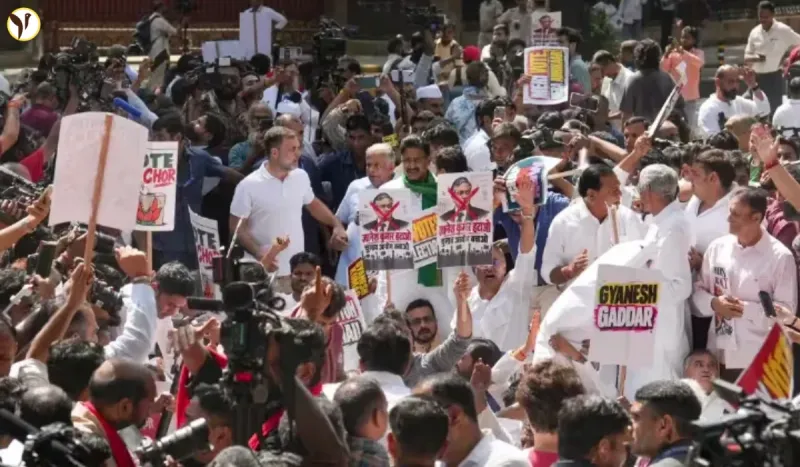
On Monday, October 12, opposition leaders and supporters marched through central Delhi towards the Supreme Court. The demonstration took place amid tight security and traffic restrictions, with several metro stations closed during the day. Police barricades prevented marchers from reaching the Court’s entrance as a group, but the petition was submitted by lawyers. The march followed days of protests and detentions linked to the voter-roll controversy.
The filing was led by INDIA bloc leaders, including Gandhi, and was framed by the opposition as a legal challenge to the way the voter-roll revision is being carried out. The petition reportedly asks the Court to examine the Election Commission’s decision-making and the safeguards around removing names from electoral rolls.
What is SIR, and why is it controversial?
A Special Intensive Revision is a thorough exercise to review electoral rolls. Such revisions are intended to update voter lists, including by identifying people who have died, moved or are otherwise no longer eligible to remain registered at a particular address. The present dispute is over how that exercise is being conducted, how decisions are documented, and whether eligible voters have a fair chance to correct errors or challenge a deletion.
Opposition parties argue that the process risks excluding genuine voters, particularly people who move frequently or face barriers to completing verification. They have also raised questions about changes to voter-registration procedures and access to the Commission’s internal records and digital systems. These are allegations put forward by the petitioners; they have not been established as findings by the Court.
The scale of the exercise has added urgency to those concerns. Reuters reported that more than 130 million names had been removed from voter lists, with the reported categories including people who had died, moved or could not be traced. The Commission’s position is that voter rolls need to be updated and that people wrongly left out can seek to re-enrol.
What does the petition ask the Supreme Court to do?
The opposition’s filing seeks access to Election Commission records related to the revision, including internal files and digital access logs, according to reporting on the petition. It also asks for safeguards around deletions, including notice and an opportunity for affected voters to be heard, and calls for an audit of the removal process. The petition further seeks interim relief while the Court examines the dispute.
The core argument is about accountability: how decisions were made, whether the process followed the required rules, and how voters can verify or challenge the status of their names. The Court has not yet ruled on the new petition or accepted the opposition’s allegations as fact. Any interim direction or wider decision will depend on the proceedings.
#InPics | Rahul Gandhi, Priyanka Gandhi Lead INDIA Bloc March To Supreme Court Over SIR Row. . . #RahulGandhi #PriyankaGandhi #INDIABloc #SIR #SupremeCourt https://t.co/YCXRd6lUyC
— The Daily Jagran (@TheDailyJagran) October 12, 2026
The Election Commission and BJP dispute the allegations
The Election Commission has denied favouring any political party. It says the exercise is meant to keep electoral rolls accurate and that voters whose names were wrongly removed can apply to be added again. The BJP has also rejected the opposition’s accusations, arguing that questioning the revision undermines a legitimate electoral process.
That disagreement is central to the case. A voter-list revision can help remove outdated or duplicate entries, but the process also needs to protect eligible voters from being dropped by mistake. The legal question is therefore not simply whether rolls should be updated, but whether the procedures are transparent and provide an effective remedy when a voter disputes an omission.
A political protest and a legal test
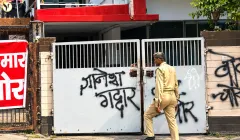
The march brought together two kinds of pressure: street protest and a formal court challenge. Opposition leaders have demanded accountability from Chief Election Commissioner Gyanesh Kumar, while the Commission has maintained that it is acting within its mandate. The protests have also drawn attention to restrictions on demonstrations and the broader political tensions surrounding the revision.
The Supreme Court, meanwhile, has cautioned against pulling the institution into political disputes, while also addressing separate concerns about court access and the functioning of proceedings during protests. That makes the next stage especially important: the Court will have to decide which questions belong in the legal case and what evidence or records it needs to examine.
What happens next?
The immediate focus is whether the Supreme Court takes up the petition and what directions, if any, it issues on the requested records, audit and voter safeguards. For voters, the practical concern is more direct: checking their enrolment status and using the official correction or re-enrolment process if their names are missing.
The case could shape how the current revision is scrutinised and how future voter-list exercises are documented. For now, the competing claims remain before the Court: the opposition says the process needs stronger transparency and protections, while the Election Commission says the revision is a lawful effort to maintain accurate rolls. The Court’s response will determine the next step in a dispute that has moved well beyond one Delhi march.
Questions readers ask
What is the SIR voter list revision?
The Special Intensive Revision is an exercise to review and update electoral rolls. The current dispute centres on how names are verified or removed and what safeguards are available to voters who believe they were wrongly excluded.
Why did INDIA bloc leaders approach the Supreme Court?
The opposition leaders asked the Court to examine the revision process, access to Election Commission records, voter-deletion safeguards and the possibility of an audit.
Has the Supreme Court ruled on the new petition?
No ruling on the new petition is reflected in the reports cited here. The Court’s next steps will determine whether it seeks records or issues directions.
What is the Election Commission’s response to the allegations?
The Election Commission denies favouring any political party and says the revision is intended to maintain accurate voter lists. It says people wrongly left out can apply to re-enrol.
What should voters do if their names are missing?
Voters should check their enrolment through the official Election Commission channels and follow the prescribed correction or re-enrolment process if their names are absent.