Shraddha Kapoor's Eetha Look: Why This Nine-Yard Saree Is So Different
Shraddha Kapoor's Eetha look highlights the traditional nine-yard Nauvari saree. Discover its unique draping style, cultural importance, jewellery and costume details.

- Published
- Reading time
- 6 minutes
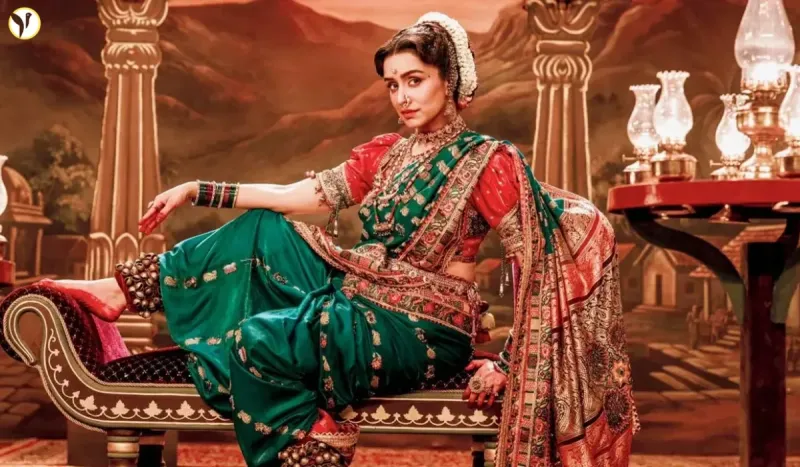
Bollywood actress Shraddha Kapoor is attracting attention with her traditional Maharashtrian look in her upcoming film Eetha. The actress will be seen wearing the iconic nine-yard Nauvari saree as she portrays Vithabai Bhau Mang Narayangaonkar, a legendary Lavani and Tamasha performer from Maharashtra.
Unlike regular sarees, the Nauvari saree has a distinctive draping style that gives it a dhoti-like appearance. Its traditional design, cultural importance and freedom of movement make it different from the sarees commonly seen in everyday fashion.
What makes Shraddha's Eetha look particularly interesting is the attention given to authentic traditional clothing. The film's costume team has worked carefully on the sarees, jewellery, fabrics and accessories to recreate the appearance of a traditional Maharashtrian performer.
With the film scheduled to release on December 4, 2026, Shraddha's traditional look has become an important talking point among fashion and entertainment fans.
What Makes Shraddha Kapoor's Eetha Saree Different?
The biggest highlight of Shraddha Kapoor's Eetha look is the traditional Nauvari saree.
The word Nauvari comes from two Marathi words: 'Nau', meaning nine, and 'Vari', meaning yards. As the name suggests, this saree traditionally measures nine yards, which is approximately 8.2 metres.
A regular saree is generally around five-and-a-half to six metres long. The additional fabric in a Nauvari saree allows it to be draped in a completely different way.
Instead of simply wrapping the fabric around the waist and creating a skirt-like appearance, the Nauvari is draped between the legs and tucked at the back. This creates a dhoti-style silhouette.
The design also allows the wearer to move more comfortably, making it suitable for dancing and other physical activities.
This is particularly important for Shraddha's character because Vithabai was known for her performances in Maharashtra's traditional Lavani and Tamasha culture.
Why Did the Eetha Team Avoid Pre-Stitched Nauvari Sarees?
One of the most interesting details about Shraddha Kapoor's costume is the decision to avoid pre-stitched Nauvari sarees.
Costume designer Sheetal Sharma revealed that Shraddha, director Laxman Utekar and choreographer Vaibhavi Merchant wanted the actress to wear traditionally draped sarees instead of ready-made versions.
According to Sharma, pre-draped sarees can fall differently around the hips and sides, which may affect the traditional appearance of the outfit.
The team therefore made sure that Shraddha wore properly draped Nauvari sarees even during dance rehearsals.
This decision also helped the actress become familiar with the outfit. Wearing the saree regularly allowed her to understand its movement and feel more comfortable while performing dance sequences.
The approach shows that the filmmakers wanted the costumes to look authentic rather than simply creating a fashionable appearance for the camera.
Traditional Fabrics Used for Shraddha Kapoor's Eetha Look
The costume department also paid attention to the fabrics used in the film.
Instead of depending on only one type of traditional saree, the team explored different Indian textiles to create a rich wardrobe for Shraddha's character.
Some of the fabrics and traditional weaving styles considered for the costumes include:
Paithani Saree
Paithani is one of Maharashtra's most famous traditional silk sarees. It is known for its detailed weaving, colourful designs and rich borders. It has a strong connection with Maharashtrian culture.
Ilkal Fabric
Ilkal textiles are traditionally associated with Karnataka. Their distinctive weaving patterns and traditional appearance make them an interesting choice for Indian ethnic clothing.
Banarasi Brocade
Banarasi brocade is known for its rich texture and detailed designs. It adds a royal and decorative appearance to traditional outfits.
Kanchipuram Silk
Kanchipuram silk is famous for its traditional craftsmanship, rich colours and detailed borders.
The costume team also explored Jamdani, Dharmavaram and Chanderi textiles while developing the character's wardrobe.
This combination of regional textiles helped create different looks while keeping the traditional nine-yard draping style central to the character.
Traditional Maharashtrian Jewellery Completes the Look
A traditional Nauvari saree look is not complete without its jewellery and accessories.
For Eetha, the costume team paid special attention to the jewellery worn by Lavani performers.
Traditional Maharashtrian ornaments such as the Kolhapuri Saaj, Thushi, Tode and Nath were among the important elements considered for the character's appearance.
The Nath, a traditional Maharashtrian nose ornament, is particularly recognised for its cultural importance. The Thushi and Kolhapuri Saaj add another layer of traditional detail to the overall outfit.
These accessories help create a complete Maharashtrian appearance instead of making the costume look like an ordinary Bollywood ethnic outfit.
The team's research into traditional performers also helped them understand how jewellery and accessories were used in the world of Tamasha.
How the Nauvari Saree Helps Lavani Performers
The Nauvari saree is not just known for its traditional beauty. Its construction also has a practical purpose.
Lavani is a traditional folk dance form associated with Maharashtra. It involves energetic movements, expressive performances and rhythmic footwork.
A regular saree may require additional care during fast dance movements. However, the Nauvari's dhoti-style draping provides greater freedom around the legs.
This makes it easier for performers to walk, move and dance while maintaining a traditional appearance.
For a film based on the life of a famous Lavani performer, using the correct saree style is therefore an important part of recreating the character.
Who Is Shraddha Kapoor Playing in Eetha?
In Eetha, Shraddha Kapoor plays Vithabai Bhau Mang Narayangaonkar, a celebrated Maharashtrian Lavani and Tamasha performer.
The film explores the world of traditional folk entertainment and the life of a woman who made her mark through her performances.
Directed by Laxman Utekar, the film has received attention for its cultural setting, traditional costumes and focus on Maharashtra's performing arts.
Costume designer Sheetal Sharma has explained how the team researched traditional performers, regional textiles and jewellery to develop the character's appearance.
The film is scheduled to arrive in cinemas on December 4, 2026.
Why Shraddha Kapoor's Eetha Look Is Getting Attention
Shraddha Kapoor's Eetha look stands out because it brings traditional Maharashtrian fashion into the spotlight.
The nine-yard Nauvari saree, authentic draping technique, regional fabrics and traditional jewellery all contribute to the character's appearance.
The decision to avoid pre-stitched sarees also highlights the effort taken by the costume department to maintain authenticity.
For fashion lovers, the look offers an opportunity to understand the beauty and cultural importance of the Nauvari saree.
For audiences, it also creates interest in the traditional Lavani and Tamasha culture that the film aims to present.
Conclusion
Shraddha Kapoor's Eetha look is much more than a regular Bollywood fashion statement. The traditional nine-yard Nauvari saree represents Maharashtra's cultural heritage and the history of its folk performers.
From authentic draping and regional fabrics to traditional jewellery, every detail has been considered to recreate the world of Vithabai Bhau Mang Narayangaonkar.
As Eetha approaches its December 4 release, Shraddha's traditional look is bringing renewed attention to one of India's most distinctive saree styles.
Questions readers ask
VWhat saree is Shraddha Kapoor wearing in Eetha?
Shraddha Kapoor is wearing a traditional nine-yard Maharashtrian Nauvari saree.
What makes a Nauvari saree different from a regular saree?
A Nauvari saree is traditionally nine yards long and draped between the legs to create a dhoti-like appearance.
Why did Shraddha Kapoor wear traditionally draped sarees during rehearsals?
The costume team wanted the sarees to look authentic and help Shraddha become comfortable with the traditional draping style.
Who designed Shraddha Kapoor's costumes in Eetha?
Sheetal Sharma designed the costumes for the film.
Which character does Shraddha Kapoor play in Eetha?
She portrays Vithabai Bhau Mang Narayangaonkar, a celebrated Lavani and Tamasha performer.