Who Is Buying IDBI Bank? Inside the ₹52,878 Crore Fairfax Deal
Who is buying IDBI Bank? Know about Fairfax Financial, Prem Watsa, the ₹52,878 crore deal, government and LIC stake sale, and what happens next.

- Published
- Reading time
- 8 minutes
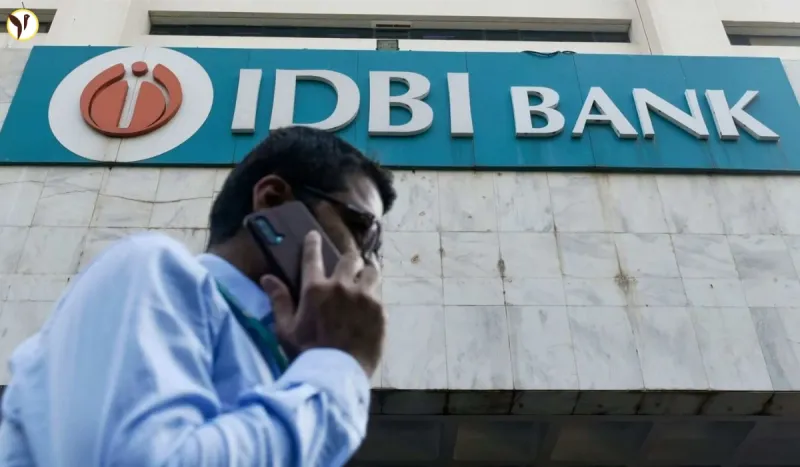
New Delhi, October 14, 2026: Canada's Fairfax Financial Holdings is set to become the majority owner of IDBI Bank after the Union Cabinet approved a ₹52,878 crore deal to sell a controlling stake in the lender. The transaction marks a major development in India's banking sector and brings the long-running IDBI Bank stake sale closer to completion.
Under the approved arrangement, Fairfax will acquire a combined 60.72% stake held by the Government of India and the Life Insurance Corporation of India (LIC). The reported offer price is ₹81 per share. The government and LIC will continue to hold minority stakes in the bank after the transaction.
The deal has attracted attention because it involves a major Indian bank, a Canadian financial services group and one of the country's biggest banking-sector ownership changes. The sale process began in 2022 but faced delays over regulatory and procedural issues.
According to reports published on October 14, the transaction is valued at ₹52,878 crore. However, Cabinet approval does not mean that every transfer-related step has already been completed. The deal must proceed through the remaining formalities before Fairfax officially takes control.
Who Is Buying IDBI Bank?
The proposed buyer is Fairfax Financial Holdings, a Canada-based financial services and investment company led by Indian-born Canadian billionaire Prem Watsa.
The acquisition is being made through a Fairfax subsidiary, identified in reports as 10955230 Canada Inc. The subsidiary was approved as the strategic buyer for the stake sale.
Fairfax is known for its investments in insurance, financial services and other businesses. It also has an existing presence in India's financial sector, including investments connected with CSB Bank.
The IDBI Bank acquisition would give Fairfax a much larger role in India's banking market. Instead of holding a minority investment in a lender, it would become the controlling shareholder of a bank with an established customer base and nationwide operations.
The deal is therefore important not only for IDBI Bank but also for Fairfax's wider plans in India's financial services industry.
Who Is Prem Watsa?
Prem Watsa is the founder and chairman of Fairfax Financial Holdings. Born in India, he later moved to Canada and built Fairfax into an international financial services and investment group.
He is often described in business media as the “Warren Buffett of Canada” because of his investment-focused approach. However, the nickname is a media comparison, not an official title.
Watsa has maintained business interests in India for years. Fairfax's investment in IDBI Bank would represent a significant expansion of that presence.
For Fairfax, the attraction is the opportunity to gain control of an established banking business. For India, the deal brings a major foreign investor into a strategically important part of the financial system.
How Much Is the Fairfax-IDBI Bank Deal Worth?
The transaction has been valued at approximately ₹52,878 crore.
Reports on October 14 said Fairfax would offer ₹81 per share under the approved deal. The sale covers a combined 60.72% stake held by the Centre and LIC.
|
|
|
|
|
|
|
|
|
|
|
|
|
|
|
|
|
|
|
|
|
|
|
|
|
|
|
|
|
|
The transaction has been described in reports as one of the largest foreign investments in India's financial sector.
The ₹52,878 crore figure refers to the value of the stake being sold. It should not be confused with the total market value of the entire bank.
How Much Stake Are the Government and LIC Selling?
Before the transaction, the Government of India and LIC together held approximately 94.71% of IDBI Bank.
The Centre owned around 45.48%, while LIC held approximately 49.24%. Under the approved deal, they will sell a combined 60.72% stake.
The sale includes approximately 30.48% held by the government and 30.24% held by LIC.
After the transaction, reports indicate that the Centre will retain around 15% and LIC around 19%. Together, their remaining stake will be approximately 34%.
This means that Fairfax will become the majority shareholder, while the government and LIC will continue to have an ownership interest in the bank.
Finance Minister Nirmala Sitharaman described the arrangement as a restructuring rather than a complete exit by the government, as public-sector entities will continue to hold shares in IDBI Bank.
Why Is Fairfax Buying IDBI Bank?
The acquisition could give Fairfax control of an established banking business instead of requiring it to build a similar operation from the ground up.
IDBI Bank already has customers, branches, employees, banking systems and an operating presence in India. A controlling stake would give Fairfax the ability to influence the bank's long-term business strategy, subject to applicable banking regulations and regulatory oversight.
There are several possible reasons why the deal matters to Fairfax.
Entry into a larger banking business
IDBI Bank offers an established platform in India's banking market. Control of the lender could strengthen Fairfax's position in financial services.
Long-term growth opportunities
Demand for banking, lending and digital financial services remains important as India's economy grows. Fairfax may see opportunities to improve the bank's operations and expand its business over time.
However, future growth will depend on competition, the quality of the bank's loan book, costs, regulation and the wider economic environment.
A wider financial services strategy
Fairfax already has investments in India's financial sector. The IDBI Bank deal could become a central part of its future plans, although any merger or consolidation involving other Fairfax-backed businesses would require separate regulatory approvals and formal announcements.
The acquisition should not be viewed as a guarantee that Fairfax will immediately change the bank's business model or merge it with another lender.
Why Did the IDBI Bank Sale Take So Long?
The sale process was first launched in 2022. It did not move quickly because a transaction of this size involves financial valuation, due diligence, regulatory scrutiny and several procedural requirements.
Earlier in 2026, Fairfax Financial Holdings and Dubai-based Emirates NBD were reported to be among the bidders interested in buying the controlling stake.
Their earlier bids reportedly fell below the government's reserve-price expectations, leading to a pause in the process. The government later invited revised bids.
The Cabinet's reported approval on October 14 is a major step forward after years of uncertainty. The remaining process will determine when the ownership transfer can formally take effect.
This delay also highlights the difficulty of selling a large stake in a bank. Authorities must consider not only the sale price but also the buyer's suitability, financial capacity and ability to operate within India's banking rules.
Will IDBI Bank's Name Change After the Deal?
Not immediately, according to reports on the approved arrangement.
Reports say the agreement requires Fairfax to retain the IDBI Bank name for at least three years after the transaction is completed.
That means customers should not assume that the bank will immediately be renamed or that its branches and services will suddenly change following Cabinet approval.
Any future change in branding, products, digital services or branch operations would depend on the bank's decisions and the applicable regulatory requirements.
What Does the Deal Mean for IDBI Bank Customers?
For customers, the most important question is whether the change in ownership will affect their accounts, deposits, loans, cards or daily banking services.
A change in the bank's ownership does not automatically mean that customers must close their accounts or open new ones. Customers should continue to follow official communication from IDBI Bank and use its authorised channels for banking-related information.
Over time, a new controlling shareholder may review the bank's technology, customer service, lending strategy, branch network and operating costs. Such changes are possible, but their timing and scale cannot be confirmed from the Cabinet approval alone.
Customers should watch for official notices before acting on rumours about account numbers, deposits, loan terms or banking applications.
Is the Fairfax Deal Good for IDBI Bank?
The outcome will depend on how Fairfax manages the bank after the transaction is completed.
A new majority owner may bring capital, a different business strategy and fresh management priorities. It could seek to improve efficiency, strengthen digital banking and develop new products.
At the same time, there are challenges. Banking is heavily regulated, and the lender must manage credit risk, maintain adequate capital and compete with public-sector and private-sector banks.
A successful acquisition is not measured only by the price paid. Long-term performance will depend on profitability, customer trust, responsible lending and the bank's ability to remain competitive.
It is therefore too early to conclude that the deal will automatically make IDBI Bank stronger or that every customer will benefit immediately.
What Happens Next?
The next stage is to complete the formal steps required to transfer the stake to Fairfax.
Investors and customers should watch for official announcements regarding the transaction's completion, regulatory requirements and any changes to the bank's ownership structure.
The reported expectation is that the transaction could be completed by March 2027, although the final timetable will depend on the remaining formalities.
Until completion is formally confirmed, Fairfax should be described as the approved strategic buyer rather than the fully installed owner.
Why Is the IDBI Bank Deal Important for India's Banking Sector?
The deal is important because it represents a major change in the ownership of an established Indian bank.
It also shows the role that international financial groups may play in India's banking industry. A large transaction of this kind can draw attention to the rules governing foreign investment, bank ownership and the responsibilities of controlling shareholders.
For the government and LIC, the sale allows them to reduce their combined stake while retaining minority ownership. For Fairfax, it offers a route to become a major player in India's banking market.
The long-term significance will become clearer after the transaction is completed and Fairfax's plans for the bank are made public.
Questions readers ask
Who is buying IDBI Bank?
Canada-based Fairfax Financial Holdings, led by Prem Watsa, has been approved as the strategic buyer for a combined 60.72% stake in IDBI Bank.
What is the value of the IDBI Bank deal?
The deal is valued at approximately ₹52,878 crore, according to reports published on October 14, 2026.
How much stake will Fairfax acquire?
Fairfax is set to acquire a combined 60.72% stake being sold by the Government of India and LIC.
What is the reported share price in the deal?
Reports put Fairfax's offer at ₹81 per IDBI Bank share. Investors should distinguish this transaction price from the bank's live stock-market price.
Who is Prem Watsa?
Prem Watsa is the Indian-born Canadian billionaire who founded and leads Fairfax Financial Holdings, the company approved to acquire the controlling stake in IDBI Bank.
How much stake will the government and LIC retain?
Reports indicate that the Centre will retain around 15% and LIC around 19%, giving them a combined holding of approximately 34%.