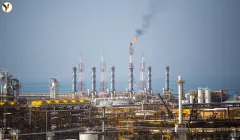
100% Tariffs on India? Trump’s Latest Move on Russia Sanctions Explained
Trump has waived key Russia-related sanctions and tariff provisions that threatened India with tariffs of up to 100%. Here is what the move means for India.

- Published
- Reading time
- 9 minutes
US President Donald Trump has temporarily eased a major tariff threat facing India after waiving key Russia-related sanctions and tariff provisions that could have allowed Washington to impose duties of up to 100% on certain countries buying Russian oil and gas.
The decision came just days before the new measures were due to take effect under the Lindsey O. Graham Sanctioning Russia and Iran Act of 2026. Trump said the waiver was in the national interest of the United States.
India was among the countries at risk because it remains a major buyer of Russian crude oil. The possibility of additional US tariffs had created concerns about Indian exports, bilateral trade relations and the ongoing negotiations for a US-India trade deal.
However, Trump's latest decision does not mean that every existing US tariff on Indian goods has been removed. It also does not guarantee that the tariff threat will never return.
Here is what happened, why Trump changed course and what the decision could mean for India.
What Is Trump's Latest Decision on 100% Tariffs on India?
On October 16, Trump issued an executive order waiving key Russia-related sanctions and tariff provisions under the new US law. The decision was reported on October 17.
The law had given the US president the authority to impose tariffs of up to 100% on goods imported from certain countries that continued buying Russian oil and gas or met other conditions specified in the legislation.
India and China were among the countries facing the risk because of their significant purchases of Russian energy.
Trump's order cited US national interests as the reason for the waiver. Under the law, the president can waive the relevant measures by informing Congress that applying them is not in the country's national interest.
According to Reuters, the waiver will remain in effect until Trump or senior US officials determine that further action is appropriate.
The key point is that the 100% tariff threat has been eased for now. It was not a blanket tariff automatically imposed on every Indian product, and the latest waiver does not cancel every other US tariff affecting India.
Why Was India Facing a 100% US Tariff Threat?
The tariff threat was linked to India's purchases of Russian oil.
After Russia launched its full-scale invasion of Ukraine in 2022, the United States and its allies introduced measures intended to restrict Moscow's access to money, technology and international markets.
The aim was to weaken Russia's ability to finance its war.
India, however, continued buying Russian crude oil as part of its energy-import strategy. Russian supplies became an important part of India's oil sourcing, helping the country diversify its suppliers and manage its energy requirements.
Washington's new legislation sought to increase pressure on Russia by giving Trump greater authority to penalise countries that continued certain purchases of Russian oil and gas.
Under the law, the president could impose tariffs of up to 100% on goods from countries covered by its provisions. The measures were not designed to apply automatically to every country purchasing Russian oil; their application depended on the legislation's conditions and presidential action.
What Is the Lindsey Graham Russia Sanctions Law?
The Lindsey O. Graham Sanctioning Russia and Iran Act of 2026 is a US law designed to expand pressure on Russia and address certain activities connected with Iran.
The legislation was signed by Trump in September 2026.
One of its key provisions gave the president authority to impose tariffs of up to 100% on goods from qualifying countries that bought Russian oil or gas or fell within other categories covered by the law.
The legislation also included provisions for sanctions and restrictions connected with Russia's energy and defence sectors, as well as networks accused of helping Moscow avoid existing sanctions.
The law was important because it provided a legal route for Washington to put further economic pressure on countries maintaining certain energy ties with Russia.
But the law did not mean that a 100% tariff would automatically be imposed on every country buying Russian oil. The president retained discretion over the application of the relevant measures, including the power to issue a waiver under specified conditions.
Why Did Trump Waive the Russia-Related Tariff Measures?
Trump said the waiver was in the national interest of the United States. However, the decision came at a time when Washington was dealing with rising energy costs and concerns about fuel supplies.
There are several factors behind the wider debate.
Rising Oil and Fuel Prices
Higher energy prices can affect transport, manufacturing, agriculture and household budgets.
If the US had imposed severe penalties on major buyers of Russian oil, it could have disrupted energy trade and added pressure to global oil markets.
Reuters reported that analysts saw the risk of further increases in oil prices as an important concern for the Trump administration.
This does not establish that oil prices were the only reason for the waiver. It does, however, help explain the economic pressure surrounding the decision.
The US-Russia Diesel Arrangement
The decision also came amid attention on a reported diesel supply arrangement involving the US and Russia.
Trump had said that Russian President Vladimir Putin agreed to supply diesel to US and global markets. The arrangement attracted criticism from some US lawmakers, who argued that easing restrictions on Russian energy exports could benefit Moscow.
The development created a difficult political question: how could Washington penalise other countries for buying Russian energy while also allowing certain Russian fuel supplies to reach international markets?
This controversy formed part of the wider context around the waiver. However, it should not be treated as the officially confirmed sole reason for Trump's decision.
US Midterm Elections and Domestic Economic Pressure
The United States is also approaching its midterm elections, making the cost of living an important political issue.
Higher petrol, diesel and other energy costs can affect voters and businesses. Any policy that risks adding pressure to fuel prices can therefore become politically sensitive.
Analysts cited by Reuters said the possibility of further increases in oil prices was one concern surrounding the new sanctions measures.
Trump's order formally cited national interests rather than identifying one single economic or political reason for the waiver.
How Will Trump's Decision Affect India?
For India, the decision offers some breathing room.
A tariff of up to 100% on covered Indian goods entering the US could have made those products much more expensive for American buyers, depending on how the measures were applied.
That could have placed pressure on Indian exporters competing in the US market.
The latest waiver reduces the immediate risk from the specific Russia-related provisions covered by the order. However, the overall impact will depend on future US policy, existing tariffs and the progress of bilateral trade negotiations.
Here are the main areas to watch.
Relief for Indian Exporters
The US is an important market for Indian businesses.
If additional tariffs had been imposed on a wide range of Indian goods, exporters could have faced higher costs and weaker demand from American buyers.
The waiver reduces the immediate uncertainty created by the specific tariff provisions covered by Trump's order.
However, businesses should not assume that all US tariffs on Indian goods have disappeared. Other duties and trade measures may continue to apply.
India's Russian Oil Purchases
The decision also gives India more room to manage its energy-import strategy without the immediate prospect of the specific penalties covered by the waiver.
India has repeatedly highlighted the importance of energy security and diversified sources of supply.
Oil-import decisions depend on several factors, including price, availability, refinery requirements, shipping costs and international market conditions.
The waiver does not mean India has received permanent protection from every possible future US measure related to Russian energy.
India-US Trade Deal
The latest move could also help create a more favourable atmosphere for ongoing trade negotiations between New Delhi and Washington.
The threat of additional tariffs had been another point of uncertainty in the relationship.
With the immediate risk from the specified Russia-related provisions reduced, both sides may have more room to focus on other trade issues.
However, the waiver does not mean a trade deal has been finalised. Any agreement would depend on further negotiations and official announcements from both governments.
Does the 100% Tariff Threat Mean India Would Pay 100% More on Everything?
No. The legal details matter.
The proposed 100% tariff was a potential additional duty under the Russia sanctions law. It was not a simple announcement that every Indian product would automatically become 100% more expensive in every situation.
The law gave Trump authority to impose tariffs on goods from countries covered by its conditions. The decision to apply the measures depended on presidential action.
There is also a difference between the tariff threat under the Russia sanctions law and other US tariffs that may apply to Indian imports.
For example, if a product is already subject to an existing tariff, a new additional duty could increase the overall cost if both measures applied. But the exact result would depend on the relevant rules, product category and tariff treatment.
Trump's latest waiver addresses specified Russia-related provisions. It should not be interpreted as a cancellation of all existing US tariffs on India.
Has Trump Permanently Removed the 100% Tariff Threat on India?
Not necessarily.
The October 16 executive order waived key Russia-related sanctions and tariff provisions, and the waiver remains in effect until Trump or senior officials determine that further action is appropriate.
That means the immediate risk has been reduced, but the future remains uncertain.
The US administration could review the situation again and decide whether further action is needed under the law.
For India, this means the latest decision is a relief, but it should not be treated as a permanent guarantee against future tariff action.
The final outcome will depend on subsequent decisions by Washington and the wider relationship between the two countries.
What Was India's Position on the Russia Sanctions Bill?
India has consistently highlighted energy security as an important part of its policy.
The country imports a large share of the crude oil it consumes and has to balance cost, supply reliability and its wider international relationships.
When the new US legislation was signed, India's Ministry of External Affairs said the implications for the India-US relationship and the global energy market had been raised in discussions with US representatives.
India's position has been that its energy sourcing decisions must reflect national requirements and changing market conditions.
The latest US waiver reduces the immediate pressure created by the specific provisions, but it does not remove every potential disagreement between New Delhi and Washington.
Questions readers ask
Is Trump imposing 100% tariffs on India?
As of October 17, 2026, Trump has waived key Russia-related tariff and sanctions provisions that could have allowed tariffs of up to 100% on goods from qualifying countries, including India. The specific threat has been eased for now.
Why was India facing a 100% tariff threat from the US?
India was at risk because it is a major buyer of Russian crude oil. The US Russia sanctions law gave Trump authority to impose tariffs on goods from certain countries that continued qualifying purchases of Russian oil and gas or met other conditions under the law.
What is the Lindsey Graham Russia sanctions law?
The Lindsey O. Graham Sanctioning Russia and Iran Act of 2026 is a US law designed to expand pressure on Russia and address certain activities connected with Iran. It includes provisions allowing the US president to impose tariffs of up to 100% on goods from qualifying countries under specified conditions.
When did Trump waive the Russia-related tariff provisions?
Trump issued the executive order on October 16, 2026. The decision was reported on October 17.
Why did Trump waive the sanctions and tariffs?
Trump formally cited US national interests. The decision came amid concerns about rising energy costs and fuel supplies, along with debate over a reported US-Russia diesel arrangement. The official order did not identify one single factor as the sole reason.