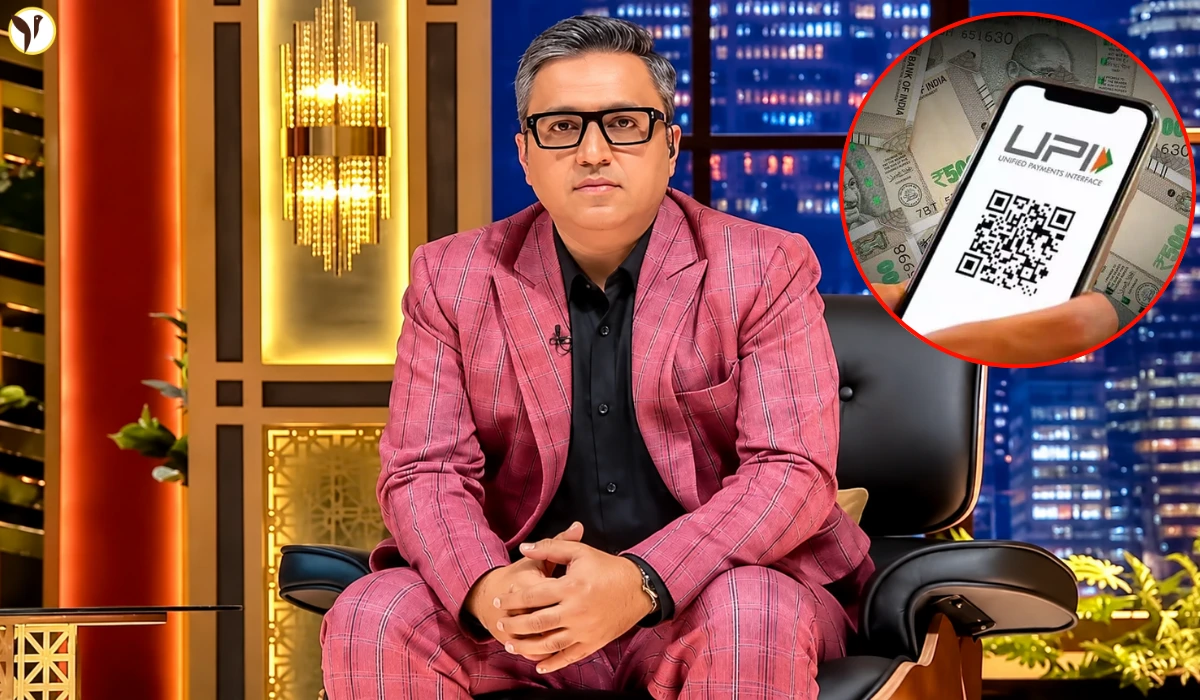


BharatPe's co-founder Ashneer Grover has stirred up a fresh money debate in India. His topic this time? The new fee that is coming on some UPI payments. Grover says that even if the government insists shoppers won't pay anything extra, the cost will still land on them in some way. His exact point was simple: someone always pays, and that someone is usually the common person.
This comes right after the National Payments Corporation of India, known as NPCI, confirmed a new charge on certain UPI payments starting October 15, 2026. Since UPI is used by almost every phone user in India, this topic has caught everyone's attention within hours.
What Did Ashneer Grover Actually Say About UPI Fees?
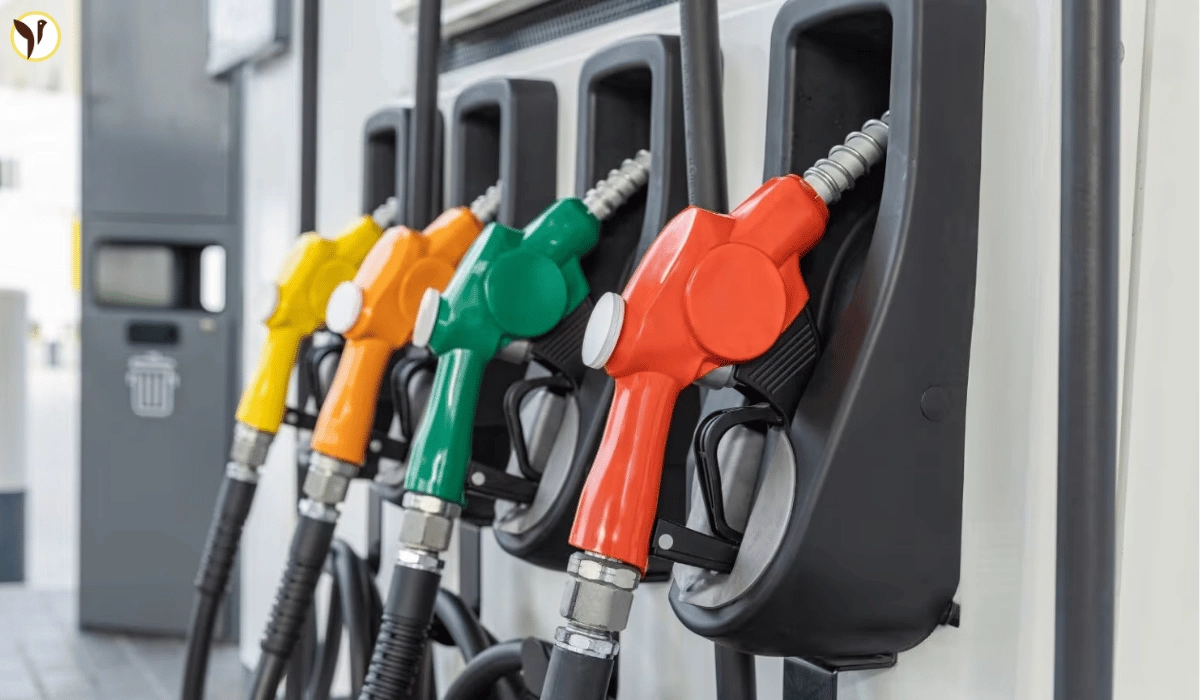
Grover has been vocal for weeks about any move to add charges on UPI. In his latest reaction, he compared the new merchant fee to fuel tax. His logic goes like this: petrol companies pay tax to the government, not drivers directly. But everyone knows the tax still shows up in the price at the pump. Grover argued the same thing could happen with UPI. A shop may formally pay the fee, but the shop could quietly raise prices to cover it. In the end, he said, it is the customer's wallet that feels it.
He also pushed back at the idea that the government needs a new money source from UPI at all. Grover pointed out that UPI already runs smoothly and helps everyone, so adding a fresh charge feels unnecessary to him.
What Exactly Is Changing? The New UPI MDR Rule Explained
Here's the part that matters for your daily life. NPCI has announced a Merchant Discount Rate (MDR) of 0.4% on select shop payments, called Person-to-Merchant or P2M transactions, but only above a certain amount.
- Payments up to ₹2,000 stay completely free. No charge at all.
- Payments above ₹2,000 will carry a 0.4% fee, but this fee is charged to the merchant, not the customer.
- For big-ticket payments, there's a safety cap: the fee never crosses ₹300, even on payments of ₹75,000 or more.
- Sending money to friends or family (P2P transfers) stays free, always.
- This rule affects less than 5% of all UPI shop payments, since most daily purchases fall under ₹2,000.
NPCI has clearly stated that merchants are not allowed to pass this fee onto shoppers. On paper, the price you see is the price you pay.
Ashneer Grover has No Filter. 🔥🔥
— Krishna Yadav (@Control_Krishna) September 15, 2026
He just tore apart the “doglapan” of both, Godi Media and the Government in a single clip. 🗿🦁💀 pic.twitter.com/gp1BxTr7Hx
Why Does Grover Say "The Consumer Still Pays"?
This is where the real debate sits. NPCI says customers are safe from the charge. Grover says that protection is only true on paper. His worry is that shopkeepers facing a new cost rarely just accept a smaller profit quietly. Many end up adjusting their price tags a little instead, spreading the cost across every buyer without making it look like a separate fee.
Think of it like a restaurant bill. If the price of cooking oil goes up, the restaurant doesn't send you a separate "oil charge." The menu prices just quietly go up instead. Grover's argument is that UPI fees could work the same way over time.
Grover's Numbers: Why He Thinks a New Fee Isn't Needed
Grover didn't just complain, he also brought numbers into the debate to back his point:
- The Reserve Bank of India transferred a surplus of around ₹2.87 lakh crore to the government recently.
- India's listed banks together made a combined profit of about ₹4.11 lakh crore.
- NPCI itself, the body running UPI, already earns a healthy pre-tax surplus.
- Running India's cash and ATM network costs the country roughly ₹30,500 crore every year, a cost that shrinks as more people use UPI instead of cash.
His question to the government was straightforward: if banks and NPCI are already earning well, and cash is far more expensive to manage than digital payments, why add a new charge on the very system that is saving the country money?
What Does the Government And NPCI Say?
The government's position remains firm on one point: everyday UPI users will not see any extra charge. The Finance Ministry has repeated that person-to-person transfers and small daily payments stay free forever. A government notification dated September 14, 2026 made this official by banning any direct or indirect charge on UPI payments up to ₹2,000.
NPCI has echoed this, saying the new MDR money will be used to fund things like better security systems, fraud prevention tools, and stronger digital infrastructure, so that UPI keeps running smoothly as more Indians join it every year.
How Could This Affect You?
If you're an everyday shopper buying groceries, paying an auto driver, or splitting a coffee bill, nothing changes for you. Most transactions Indians make daily are well under ₹2,000.
The real impact lands on shopkeepers, especially those selling higher-value items like electronics, furniture, or big grocery hauls. Whether that small 0.4% cost quietly reaches your final price, as Grover predicts, is something only time and market behaviour will show.