Kriti Sanon’s Court Case Takes a Turn as Delhi High Court Raises Key Questions
Kriti Sanon has approached the Delhi High Court for personality rights protection. Know what the court asked, why the case matters and when the next hearing will take place.
- Published
- Reading time
- 7 minutes
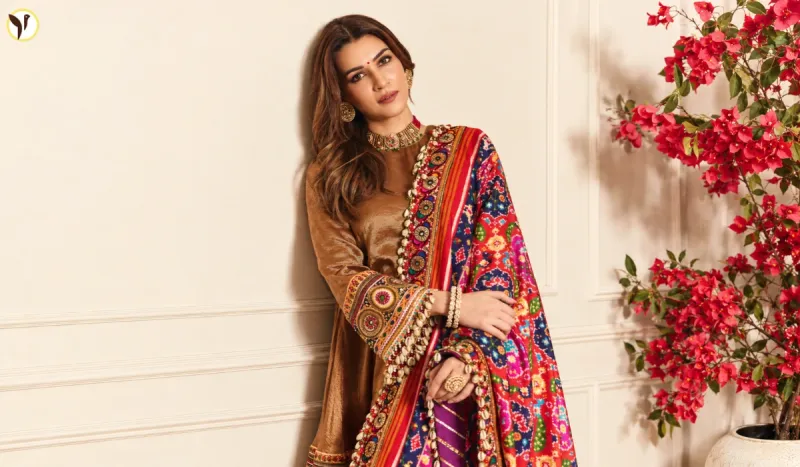
New Delhi, October 16, 2026: Bollywood actor Kriti Sanon has approached the Delhi High Court seeking legal protection for her personality rights. During the hearing on Friday, the court raised important questions about what these rights cover and asked her lawyer to submit relevant court judgments and legal research before it considers a detailed order.
The matter was heard by Justice Purushaindra Kumar Kaurav. The court asked for greater clarity on the legal protection available to a person's name, face, voice, image and other identifying features. It also raised a question about whether the High Court's Intellectual Property Division is the appropriate forum to hear such disputes.
The next hearing in Kriti Sanon's case is scheduled for October 29, 2026.
Why Has Kriti Sanon Approached the Delhi High Court?
Kriti Sanon has filed a case seeking protection of her personality rights. These rights relate to the use of a person's identity, including their name, image, voice and other recognisable features.
A celebrity's identity can have commercial value. For example, a person's photograph, voice or name may be used to promote a product, service or online content. Questions can arise when such use happens without the person's consent or approval.
During the hearing, Sanon's lawyer, advocate Pravin Anand, explained that personality rights can cover a person's face, voice, name, photographs and videos. He also submitted that these rights may be relevant when someone's identity is used for commercial gain without authorisation.
The case is titled Kriti Sanon v. BBE Marketing Inc. & Ors. The court's questions suggest that it wants to examine the legal principles carefully before considering the relief sought by the actor.
What Questions Did the Delhi High Court Raise?
The hearing took an important turn when the court asked for a clearer explanation of the scope of personality rights.
Justice Purushaindra Kumar Kaurav asked Sanon's lawyer to provide relevant judgments, research papers and his understanding of the law.
The court wants to examine which parts of a person's identity may receive legal protection and how the law should apply to such claims.
The court also raised a question about jurisdiction. In simple words, jurisdiction means the legal authority of a court or a particular division of that court to hear a case.
The question is whether the Delhi High Court's Intellectual Property Division is the proper forum for dealing with personality rights disputes of this kind.
Sanon's lawyer reportedly maintained that there was no jurisdictional issue in her case. The court has asked for further material to help it consider the relevant legal questions.
Why Has the Court Asked for More Legal Research?
Personality rights cases involve questions about how a person's identity can be used and when such use may require legal protection.
The court has been hearing similar cases involving actors, sportspersons, public figures and other well-known personalities. This makes it important to understand the legal principles that should apply across different cases.
Rather than immediately passing a comprehensive order, the court has asked for a collection of relevant judgments and research material.
This may help it examine earlier decisions and understand how personality rights have been interpreted by courts.
However, the request for legal research does not mean the court has rejected Kriti Sanon's plea. It means the court wants to examine the relevant legal issues before proceeding further. The final outcome will depend on the court's consideration of the case and the material placed before it.
What Are Personality Rights in Simple English?
Personality rights refer to the protection a person may seek against certain unauthorised uses of their identity.
For a celebrity such as Kriti Sanon, this can involve recognisable features that connect the person with their public image or professional identity.
These may include:
- Name: Using a person's name in a way that raises legal concerns.
- Photographs and images: Using their pictures without the required permission in circumstances where legal protection may apply.
- Voice: Using or imitating a person's voice in a way that may raise legal concerns.
- Face and likeness: Using a person's appearance or creating material that imitates their identity.
- Commercial use: Using someone's identity to promote or sell a product or service without proper authorisation.
These examples explain the issues that can arise in personality rights disputes. They do not mean every use of a person's name, image or voice is automatically illegal. The legal position depends on the facts, the purpose of the use and the applicable law.
Why Are Personality Rights Important for Celebrities?
A celebrity's name and public image can become valuable parts of their professional identity.
People may recognise an actor through their face, voice, name or distinctive public persona. Businesses and online creators may also want to use these features to attract attention.
Problems can arise when a person's identity is used in advertising, promotional material or online content without permission.
For example, if a photograph of an actor is used to suggest that the actor supports a product, questions may arise about consent and misleading commercial use.
Similarly, digitally created images or voice imitations may raise legal concerns depending on how they are made, presented and used.
Personality rights cases therefore involve a wider question: how can a person's identity be protected while also considering other legal interests, including freedom of expression and legitimate uses of information?
The Delhi High Court's examination of these issues in Kriti Sanon's case could contribute to the discussion about how such claims should be considered. The court has not yet announced a final decision in her matter.
Is Kriti Sanon's Case Related to AI-Generated Content?
Personality rights have become a topic of growing interest as digital tools make it easier to create or alter images, videos and voices.
AI-generated material can sometimes imitate a real person's appearance or voice. Depending on the circumstances, this can raise questions about consent, misleading representation and commercial use.
However, it is important to distinguish the broader issue from the specific facts of a case.
The reported hearing in Kriti Sanon's matter focused on the scope of personality rights, the legal protection available for a person's identity and the court's jurisdiction. The available reporting does not establish that every possible AI-related concern forms part of the case.
The safest way to understand the matter is that Sanon is seeking personality rights protection, while the court is examining the legal questions that must be considered before a detailed order can be passed.
Other Celebrities Have Also Sought Personality Rights Protection
Kriti Sanon's case comes amid a wider trend of public figures approaching courts to protect their identity against alleged unauthorised use.
Reports on the hearing have referred to other celebrities and public figures who have sought or received personality rights protection from the Delhi High Court. These include actors such as Kangana Ranaut and Tabu, cricketers including Yuvraj Singh and Abhishek Sharma, and public figures such as Shashi Tharoor.
Similar cases can involve different facts and legal requests. An order passed in one case does not automatically determine the outcome of another.
The growing number of such cases has also brought more attention to questions about how courts should deal with the use of celebrity names, photographs, voices and likenesses.
When Is the Next Hearing in Kriti Sanon's Case?
The Delhi High Court has scheduled the next hearing for October 29, 2026.
The court has asked Kriti Sanon's lawyer to provide relevant judgments and research material concerning personality rights. This material is expected to help the court examine the scope of the rights and the jurisdictional questions raised during the hearing.
The next stage will depend on the legal material presented and the court's consideration of the matter.
As of October 16, the court has sought further research; a final decision on the relief sought by Sanon has not been reported.
What Happens Next?
The next hearing will be important because the court is seeking a clearer legal understanding of personality rights and the proper forum for hearing such disputes.
The court may examine the submitted judgments and research before deciding how to proceed. Its questions could also be relevant to the wider discussion about personality rights cases involving public figures.
For now, it would be premature to say that Kriti Sanon has won or lost the case. The hearing has focused on legal clarification, and the final outcome remains pending.
Readers should also remember that asking for legal research is not the same as granting or rejecting the main relief sought in a case.
Questions readers ask
Why has Kriti Sanon approached the Delhi High Court?
Kriti Sanon has approached the Delhi High Court seeking protection of her personality rights, which can relate to the use of a person's name, image, voice and other identifying features.
What did the Delhi High Court ask in Kriti Sanon's case?
The court asked her lawyer to submit relevant judgments, research papers and legal material explaining the scope of personality rights.
Who heard Kriti Sanon's case?
The matter was heard by Justice Purushaindra Kumar Kaurav of the Delhi High Court.
What are personality rights?
Personality rights concern the legal protection a person may seek against certain unauthorised uses of their identity, such as their name, image, voice or likeness.
Is Kriti Sanon seeking protection for her name and image?
She has approached the court seeking personality rights protection. During the hearing, her lawyer explained that these rights can cover a person's name, face, voice, images, photographs and videos.
Why did the court ask for more research?
The court wants to examine relevant legal precedents and understand the scope of personality rights before considering a comprehensive order.