Trump Faces An Unusual Rival In Alaska: Is A Dummy Candidate The Problem?
Donald Trump faces an Alaska election controversy as two candidates named Dan Sullivan appear on the Senate ballot. Know the dummy candidate row and DOJ investigation.

- Published
- Reading time
- 8 minutes
Washington: US President Donald Trump is facing an unusual political controversy ahead of the November 3, 2026, midterm elections. This time, the issue is not a traditional political opponent but a candidate with almost the same name as a Republican senator contesting an important election in Alaska.
The Alaska Senate race has become a national political talking point after two candidates named Dan Sullivan appeared on the ballot. Republican Senator Dan Sullivan is seeking re-election, while another candidate, Daniel J. Sullivan, a retired schoolteacher, is also contesting the seat.
The situation has raised concerns among Republicans, who believe that the second candidate could confuse voters and divert votes away from the incumbent senator.
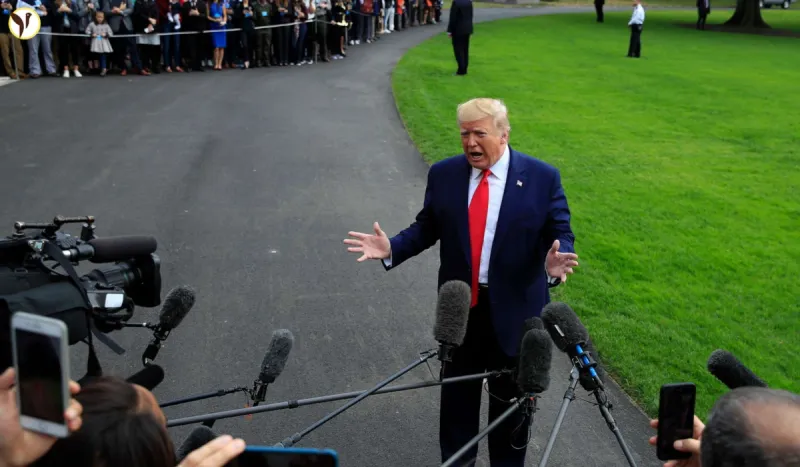
Trump has strongly criticised the development, accused Democrats of election interference and called for legal action against Democratic candidate Mary Peltola.
The controversy became bigger after reports suggested that people connected to Peltola's campaign had discussed recruiting a candidate with the same name as the Republican senator.
However, the allegations remain disputed, and the second candidate has denied being recruited by Democrats.
The controversy has now attracted the attention of the US Justice Department, making Alaska's Senate election one of the closely watched political contests before the midterm polls.
So, who is the second Dan Sullivan, why is Trump angry, and could this unusual candidate affect the election? Here is everything you need to know.
Why Is Donald Trump Angry About The Alaska Senate Election?
The controversy began when Daniel J. Sullivan, a retired schoolteacher from Alaska, entered the state's Senate election.
The problem is that Alaska already has a Republican senator named Dan Sullivan, who is also contesting the same election.
Republicans are concerned that voters could mistake the two candidates for each other because their names are almost identical.
Trump has accused Democrats of using the second candidate to confuse voters and potentially take votes away from the Republican incumbent.
On Truth Social, Trump described the alleged activity as voter fraud and demanded that Mary Peltola be removed from the ballot and prosecuted.
He has also directed the Justice Department to take action over the controversy.
However, it is important to understand that Trump's allegations have not been established as proven election fraud. The second candidate has denied being part of a political operation.
Who Is The Second Dan Sullivan In Alaska?
The second candidate is Daniel J. Sullivan, a retired schoolteacher from the small fishing community of Petersburg in Alaska.
He is different from Republican Senator Dan S. Sullivan, who is the incumbent senator seeking another term.
The presence of two candidates with nearly identical names has attracted attention because voters could potentially become confused while selecting their preferred candidate.
Daniel J. Sullivan announced his candidacy in June 2026.
Republicans questioned his intentions and described him as a possible spoiler candidate.
However, Daniel J. Sullivan has denied that he was recruited by Democrats or that his candidacy was created to help Mary Peltola.
He has previously said that he had no contact with Peltola's campaign.
His name has remained on the ballot after legal challenges failed to remove him from the election.
How Did Two Candidates With The Same Name Reach The Ballot?
The controversy became more serious after questions were raised about how the second Daniel Sullivan entered the election.
According to reporting by The New York Times, text messages and interviews suggested that people connected to Mary Peltola's campaign had discussed recruiting candidates with names similar to Republican opponents.
The reporting specifically raised questions about efforts to find another person named Dan Sullivan.
These revelations increased Republican concerns about a possible attempt to confuse voters.
However, the allegations have not been conclusively proven, and Peltola's campaign has denied involvement in recruiting the second Sullivan.
The case also went through Alaska's legal system.
An election official initially questioned the candidate's eligibility, but a judge overturned the decision. The Alaska Supreme Court subsequently allowed him to remain on the ballot.
The courts' decisions meant that Daniel J. Sullivan could continue contesting the election.
What Is Mary Peltola's Role In The Controversy?
Mary Peltola is the Democratic candidate challenging Republican Senator Dan Sullivan in Alaska's Senate election.
She has become part of the controversy because reports have raised questions about whether people connected to her campaign helped encourage Daniel J. Sullivan to enter the race.
Republicans have accused her campaign of being involved in an attempt to confuse voters.
However, Peltola's campaign has rejected these allegations and stated that it had no involvement with either Sullivan campaign.
The Democratic Senatorial Campaign Committee has also denied involvement with Daniel J. Sullivan.
The issue has become politically important because Alaska is among the states where the Senate election could influence which party controls the US Senate.
At this stage, the allegations against Peltola remain disputed and should not be treated as established facts.
Why Has Trump Ordered A Justice Department Investigation?
The controversy has moved beyond campaign statements and entered the legal system.
Trump has directed the US Justice Department to investigate the allegations surrounding the second Dan Sullivan.
According to reports published on October 30, the federal investigation has expanded, with prosecutors issuing dozens of grand jury subpoenas and examining possible criminal charges.
The investigation is focused on whether there was a coordinated effort to recruit a candidate with a similar name to the Republican senator to influence the election.
The Justice Department is also pursuing legal action connected to the certification of the Alaska Senate election.
Trump has argued that the presence of the second candidate could undermine the fairness of the election.
However, the legal questions are complicated because states have the primary responsibility for administering elections.
The Alaska Supreme Court has already allowed Daniel J. Sullivan to remain on the ballot.
The outcome of the federal investigation and any related court proceedings remains uncertain.
Why Is Alaska's Senate Election So Important For Trump?
Alaska may have a relatively small population, but its Senate election could have national political importance.
The US Senate has 100 members, and control of the chamber plays an important role in passing legislation, confirming government appointments and overseeing federal policies.
The November 3, 2026, midterm elections will determine the political balance in both the House of Representatives and the Senate.
Republican Senator Dan Sullivan is facing Democratic challenger Mary Peltola.
The race is particularly important because Republicans are trying to maintain their position in Congress.
For Trump, the election is also politically significant because the results could influence how easily his administration advances its legislative agenda.
This explains why the president has taken such a strong interest in the controversy.
However, the effect of the second candidate on the final result cannot be determined before the votes are counted.
What Is Ranked-Choice Voting In Alaska?
Another important part of this controversy is Alaska's ranked-choice voting system.
Unlike a traditional election where voters select only one candidate, Alaska allows voters to rank candidates according to their preferences.
For example, a voter can select:
- First preference: Republican Dan Sullivan.
- Second preference: Mary Peltola.
- Third preference: Another candidate.
If no candidate receives more than 50% of the first-choice votes, the candidate with the fewest votes is eliminated.
The votes of that candidate are then transferred according to voters' next preferences.
This process continues until a candidate receives a majority.
The system is important in the Alaska controversy because voters can rank both candidates named Sullivan if they choose to do so.
Can A Dummy Candidate Change The Election Result?
A candidate with a name similar to a popular political figure can potentially create confusion among voters.
This is sometimes described as a spoiler or decoy candidate strategy.
The idea is that voters may mistakenly select a candidate because the name looks familiar, even though that candidate is not the person they originally intended to support.
However, the presence of two candidates with similar names does not automatically prove that election manipulation has taken place.
In Alaska, the second Sullivan's candidacy has already been challenged in court, but he has been allowed to remain on the ballot.
The ranked-choice voting system also gives voters an opportunity to rank candidates according to their preferences.
Whether the second candidate will influence the final result remains unknown.
The investigation will be important in determining whether any campaign-related misconduct occurred.
What Happens Next In The Alaska Election Controversy?
The next major development will come from the investigation and the November 3 election.
The Justice Department is examining allegations surrounding the second Dan Sullivan's candidacy.
Meanwhile, the candidates are continuing their campaigns, and voters are preparing to cast their ballots.
The controversy could also lead to further legal arguments over election administration and the federal government's authority.
Alaska's ranked-choice voting process may mean that the final result takes longer to determine than in a traditional election.
For now, three major questions remain:
- Will investigators find evidence of a coordinated effort to influence the election?
- Will the legal proceedings affect the certification of the results?
- How will Alaska voters respond to the controversy when they cast their ballots?
The answers could have implications beyond Alaska, particularly for the wider debate over election rules and political campaigning in the United States.
The Alaska Senate election has turned into an unusual political controversy because two candidates with nearly identical names are competing for the same seat.
Donald Trump has accused Democrats of attempting to confuse voters and has called for legal action. Mary Peltola's campaign has denied involvement, while Daniel J. Sullivan has also rejected claims that he was recruited as a dummy candidate.
Although the controversy has attracted federal attention, the allegations have not yet been established as proven election fraud.
As the November 3 midterm elections approach, Alaska's voters will have the final say at the ballot box.
The case is also raising a wider question about how election rules should deal with candidates who have similar names and whether such situations can affect voter confidence.
Questions readers ask
Why is Donald Trump angry about the Alaska election?
Trump is angry because two candidates named Dan Sullivan are contesting the same Senate seat. He believes the second candidate could confuse voters and take votes away from the Republican incumbent.
Who is the second Dan Sullivan in Alaska?
The second candidate is Daniel J. Sullivan, a retired schoolteacher from Petersburg, Alaska.
Who is Mary Peltola?
Mary Peltola is the Democratic candidate challenging Republican Senator Dan Sullivan in Alaska's 2026 Senate election.
Has Donald Trump ordered an investigation?
Yes. Trump has directed the Justice Department to investigate allegations surrounding the second Dan Sullivan's candidacy.
Has the second Dan Sullivan been removed from the ballot?
No. Alaska courts allowed Daniel J. Sullivan to remain on the ballot after legal challenges.