Buruli Ulcer Cases in Victoria and NSW: Symptoms, Spread and How to Protect Yourself
Victoria recorded 426 Buruli ulcer cases in 2025, while six locally acquired cases have been confirmed in Southern NSW since 2021. Learn the symptoms and prevention advice.

- Published
- Reading time
- 3 minutes
A small, painless-looking spot can take months to become a serious skin ulcer, making Buruli ulcer easy to mistake for an insect bite at first. Victoria recorded a record 426 confirmed cases in 2025, while Southern NSW has confirmed six locally acquired cases since 2021, including one notified in February 2026 from the Batemans Bay–Moruya area.
Buruli ulcer is caused by Mycobacterium ulcerans, a bacterium that damages skin and soft tissue. The risk to any one person remains low, but cases have been found in parts of Victoria and around Batemans Bay on the NSW South Coast. People who live in or visit affected areas should know what to look for and mention their travel history if they seek medical care.
What is Buruli ulcer and where have cases been reported?
Buruli ulcer, also known as Bairnsdale ulcer, is a bacterial skin infection. In Victoria, cases have been identified on the Mornington and Bellarine peninsulas, around Geelong and the Surf Coast, in parts of Melbourne and in other areas. The disease has also been reported in Far North Queensland and the Northern Territory. On the NSW South Coast, health authorities have linked locally acquired cases to the Batemans Bay–Moruya area.
The number of cases in Victoria does not mean the infection is widespread across the state or that most people are at high risk. Health authorities describe exposure to an affected area as the key risk factor, and the overall risk of infection remains low.
How does Buruli ulcer spread?
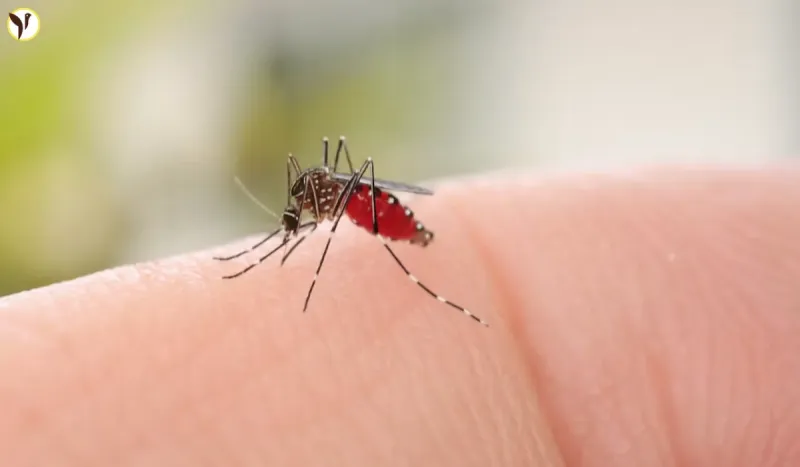
The exact route by which people become infected is still being studied. Evidence from Victoria points to mosquitoes and possums playing a role: the bacteria have been detected in mosquitoes and possum droppings, and environmental contamination may be another part of the pathway. Mosquito bites are considered an important route of transmission in Australia, but researchers have not fully established every step.
Buruli ulcer is not known to spread from one person to another. Someone with the infection does not pose a direct transmission risk to family members or other people through ordinary contact.
What are the symptoms of Buruli ulcer?
The infection often begins as a painless lump, spot or patch, commonly on an exposed area such as an arm or leg. It may look like an insect bite. Over time, it can develop into a slow-healing ulcer; some people instead experience swelling or a skin lesion that does not respond to usual treatment.
Symptoms may not appear until several months after exposure. Southern NSW health authorities say the interval is often four to five months, while Victorian guidance gives an estimated average of four to five months, with a wider possible range. A person may therefore no longer remember a mosquito bite or may have returned home from a holiday by the time a lesion appears.
Flesh-eating Buruli ulcer cases are rising in Victoria and NSW. Here's how to protect yourself - ABC News https://t.co/Y8WxFvi8CD
— Natalie Martin ☀️🌺😷💉x4💉😁👋💗 (@nataliemarto) October 31, 2026
How is Buruli ulcer treated?
A clinician can assess a suspicious lesion and arrange testing where appropriate. Buruli ulcer is treatable, usually with a prescribed course of antibiotics lasting around six to eight weeks. Surgery may be needed in some cases, and healing can take time. Early diagnosis and treatment help limit tissue damage.
If you have a persistent, non-healing lump or ulcer particularly after spending time in an area where Buruli ulcer occurs contact a healthcare professional. Tell them where you have travelled and when the lesion first appeared. Do not try to diagnose or treat it yourself.
How can you reduce the risk?
Health authorities recommend reducing mosquito bites and protecting broken skin, especially in affected areas. Practical steps include:
-
Wear loose, light-coloured clothing with long sleeves and trousers outdoors.
-
Use an insect repellent containing DEET or picaridin, following its label.
-
Cover cuts and grazes when gardening or handling soil; wash new cuts with soap and water and apply antiseptic.
-
Remove standing water around the home where mosquitoes can breed.
-
Avoid handling sick or injured possums.
These steps reduce exposure risk; they do not guarantee that infection is impossible.
Questions readers ask
What is Buruli ulcer?
Buruli ulcer is a skin infection caused by the bacterium Mycobacterium ulcerans. It can damage skin and soft tissue and may begin as a painless lump or spot.
How many Buruli ulcer cases have been reported in Victoria?
Victoria recorded 426 confirmed cases in 2025, a record number for the state.
Have Buruli ulcer cases been detected in NSW?
Yes. Southern NSW has confirmed six locally acquired cases since 2021. The latest case listed by the Southern NSW Local Health District was notified in February 2026 and acquired in the Batemans Bay–Moruya area.
Can Buruli ulcer spread from person to person?
Buruli ulcer is not known to spread from one person to another. Public health advice focuses on avoiding environmental exposure and mosquito bites in affected areas.
What are the early symptoms of Buruli ulcer?
It may begin as a painless lump, spot or patch, often on an exposed area such as an arm or leg. A lesion that persists or develops into a slow-healing ulcer should be assessed by a healthcare professional.
How long after exposure can Buruli ulcer symptoms appear?
Symptoms often appear around four to five months after exposure, although the interval can vary. A person may not remember a mosquito bite by the time a lesion develops.
Is Buruli ulcer treatable?
Yes. Treatment usually involves prescribed antibiotics for several weeks. Some cases may also need surgery, and early diagnosis can help limit tissue damage.