


A major manhunt in northeastern Brazil has ended with the arrest of a 33-year-old man who police say is linked to 16 murders.
The suspect, identified by the Associated Press as Jorlan Lopes da Silva, was arrested in the municipality of Mulungu in the state of Paraíba on September 13, 2026.
Locals reportedly knew him by the nickname “Mosquito”, a name linked to his thin build.
According to investigator Douglas Garcia, who led the search, the suspect had spent long periods hiding in the woods in makeshift camps. This made it difficult for police to connect crimes that initially appeared to be unrelated.
His eventual arrest came after a two-day police pursuit.
What made the case even more unusual was the way authorities found him.
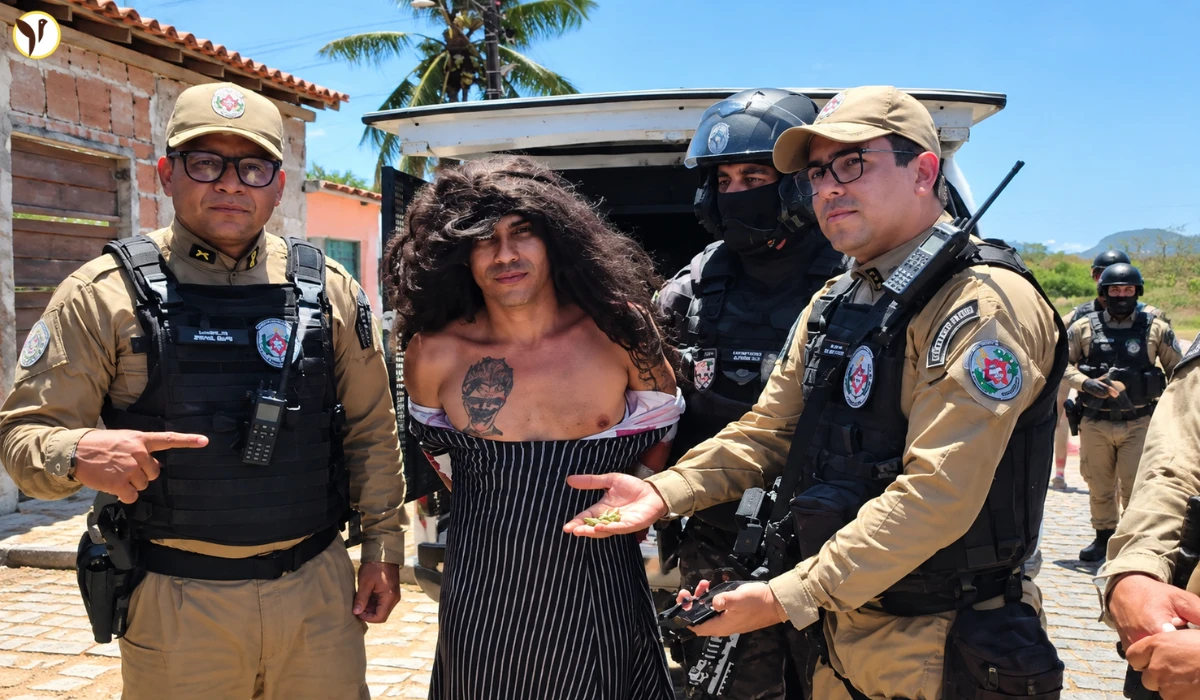
Police say the suspect was wearing a black dress and wig, with painted nails, and was carrying a baby who was not related to him when he was caught.
The case has now become one of the most closely watched crime investigations in Brazil.
Who Is ‘Mosquito’?
The suspect is Jorlan Lopes da Silva, according to the Associated Press.
He is 33 years old and is known locally by the nickname “Mosquito.”
Police say the nickname came from his frail or thin physical appearance.
The suspect had reportedly been difficult to locate because he spent much of his time in remote woodland areas around Mulungu and other parts of Paraíba.
Investigators say he created makeshift camps in the woods, allowing him to stay away from populated areas and avoid police detection.
This also made it difficult to immediately connect him to different crimes.
According to investigator Douglas Garcia, the killings connected to the suspect occurred during a period of about three months in the Mulungu region.
How Did Police Connect Him To The 16 Murders?
One of the important breakthroughs came after the suspect allegedly shot an 18-year-old man in a public square.
That incident helped investigators identify a possible connection between him and other killings.
Before that breakthrough, police had been dealing with crimes that did not initially appear to be connected.
Investigators then began examining evidence from different cases.
According to Garcia, this helped police establish a connection between da Silva and other murders.
Police currently accuse him of involvement in 16 killings, while investigations into other possible crimes are continuing.
The Two-Day Manhunt
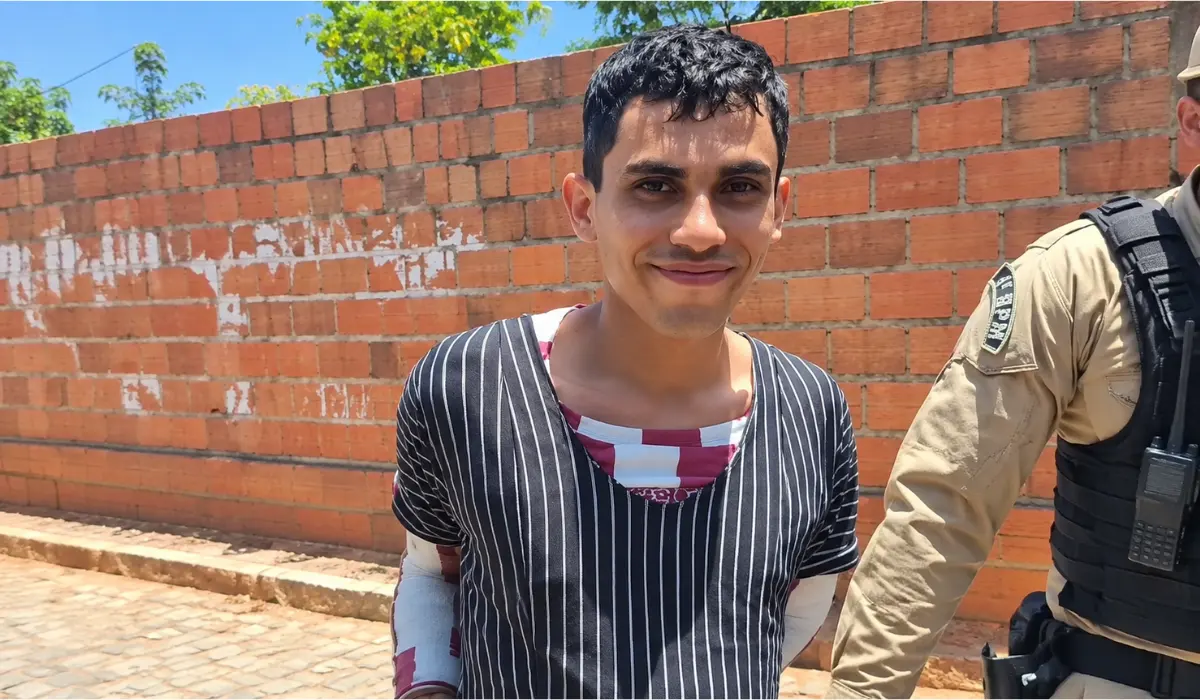
Once investigators had enough information to focus on da Silva, police began a concentrated search.
The final operation lasted about two days and ended on September 13.
The difficult terrain played an important role in the search.
The suspect had experience hiding in wooded areas and had reportedly created temporary camps away from normal roads and populated areas.
This gave him an advantage when trying to avoid police.
But according to investigator Garcia, the suspect eventually found himself unable to return to his camp.
That is when investigators say he tried a different method of escaping detection.
How Was ‘Mosquito’ Finally Caught?
The final moments of the manhunt were unusual.
According to the investigator, da Silva was found wearing women's clothing, a wig and painted nails.
He was also carrying a baby who authorities later confirmed was not related to him.
The disguise appears to have been an attempt to avoid being recognised while moving away from the area where police were searching for him.
But the plan did not work.
Police identified and arrested him on September 13.
The child was not injured, according to local police reporting, although authorities have not publicly released further details about the child's relationship to the suspect.
Why Was He So Difficult To Catch?
Investigators say the suspect's lifestyle was one of the main reasons he managed to avoid arrest for so long.
Instead of staying in a normal house, he reportedly lived for long periods in the woods.
He used makeshift camps and moved through remote areas.
This created several difficulties for investigators.
Remote Location
The area around Mulungu contains large stretches of difficult terrain.
A person familiar with the landscape can move through places that are difficult for police vehicles to access.
Makeshift Camps
Police say the suspect created temporary camps in the woods.
This meant he did not have one permanent location where investigators could easily find him.
Crimes Appeared Unconnected
Investigators initially did not have a clear connection between some of the killings.
That slowed the process of identifying one person as a possible common suspect.
Disguises
Police say the suspect used disguises, including women's clothing, in an attempt to avoid recognition.
These factors together helped him remain difficult to locate.
What Does ‘Mosquito’ Say About The Killings?
The suspect has reportedly given investigators his own explanation for the violence.
According to investigator Douglas Garcia, da Silva claimed that he only attacked criminals.
However, police say evidence collected during the investigation does not support that explanation in all of the cases.
The suspect has also reportedly denied being part of a criminal gang.
Police have previously linked him to a criminal group accused of numerous killings in the region.
Da Silva has instead described his actions as part of what he called a “personal war.”
Because the investigation is still developing, authorities have not released full details about every case connected to him.
What About The Claim That He Killed 80 People?
This is one part of the story that needs to be treated carefully.
Some Brazilian reports have said that the suspect claimed during questioning that he was responsible for as many as 80 killings or crimes.
However, this number is not the same as the 16 murders currently linked to him by police.
The larger figure remains a claim under investigation and should not be presented as a confirmed death toll.
The Associated Press reported that investigators believe da Silva may have committed more crimes than those for which he is currently being prosecuted, but authorities have not publicly confirmed the larger number.
So, at present:
|
|
|
|
|
|
|
|
|
|
|
|
|
|
|
Did He Have A Criminal Record?
Brazilian police records cited in local reporting indicate that da Silva was already wanted in connection with serious crimes.
A report from Repórter PB said authorities had five outstanding arrest warrants for him at the time of his capture.
Four were connected to qualified homicide cases, while another involved a prison-regime violation related to a robbery conviction.
Authorities said he had escaped from custody earlier in 2026.
His previous criminal history is now also being examined as investigators try to establish the full extent of his alleged activities.
Was He Connected To A Criminal Gang?
This remains another important part of the investigation.
Police have linked the suspect to a criminal group that authorities say has been involved in killings in parts of Paraíba.
However, the suspect denies being affiliated with a gang.
He reportedly told investigators that he acted as part of a personal conflict rather than as a member of an organised criminal group.
Because the investigation is still ongoing, the exact nature of his alleged connections is not fully settled publicly.
Where Did The Murders Take Place?
The killings linked to the suspect occurred in and around the Mulungu region of Paraíba, in northeastern Brazil.
Mulungu is located far from Brazil's largest cities.
The region is roughly 2,500 kilometres north of Rio de Janeiro, according to the Associated Press.
The rural and isolated nature of the area became an important factor in the investigation because the suspect was reportedly able to use the surrounding woods to hide.
Why Did Police Keep Details Of The Victims Private?
Authorities have not released complete information about all the victims or every alleged killing.
The investigator told the Associated Press that some information was being withheld because investigations are still active and some cases are being reopened.
Keeping certain evidence confidential can also help investigators protect the legal process and avoid compromising ongoing investigations.
This means that more details about the alleged victims and individual cases could emerge later.
🚨 SUSPECTED SERIAL KILLER ARRESTED IN BRAZIL WHILE Fleeing DRESSED AS A WOMAN
— Amy Leigh (@IAmyLeigh) September 17, 2026
CONFESSED TO MURDERING 80 PEOPLE!
A wild manhunt in Paraíba, Brazil, ended with a dramatic arrest on Sunday after police caught 33 year-old Jorlan Alves da Silva attempting to evade capture by… pic.twitter.com/N9LeTrot1B
What Happened After His Arrest?
After his arrest, da Silva was taken into police custody while investigators continued working on the cases against him.
Authorities are now examining evidence from the 16 killings and other crimes that could potentially be connected to him.
Investigators have also said that the suspect has provided information suggesting involvement in additional crimes.
However, those cases still need to be investigated and verified.
Therefore, the number of crimes officially attributed to him could change as the investigation continues.
Why The ‘Mosquito’ Case Is Getting Attention
The case has attracted attention for several reasons.
First, police say the suspect is linked to 16 murders within a relatively short period.
Second, investigators say he managed to stay hidden by living in the woods.
Third, his arrest involved an unusual disguise involving women's clothing, a wig and a baby.
And finally, investigators are examining whether the suspect could be responsible for more crimes than those currently included in the case.
However, it is important to remember that the investigation is still active.
The allegations should not be treated as final convictions unless established by the Brazilian judicial process.
Timeline Of The ‘Mosquito’ Case
|
|
|
|
|
|
|
|
|
|
|
|
|
|
|
|
|
|
|
|
|
|
|
|
What Police Say Helped Solve The Case
The investigation shows how several pieces of information eventually came together.
Connecting Separate Cases
Investigators began noticing similarities between crimes that initially appeared unrelated.
A Public Shooting
The alleged shooting of an 18-year-old in a public area provided an important lead.
Local Information
Information from the local community helped investigators understand where the suspect might be hiding.
Knowledge Of His Hiding Places
Police eventually focused on the wooded areas where investigators believe the suspect had been living.
Intensive Search
The final two-day operation put pressure on the suspect and eventually forced him out of his hiding area.
These factors ultimately led to his arrest on September 13.
What Happens Next In The Investigation?
The arrest does not mean the case is over.
Police still have several questions to answer.
Investigators are expected to examine:
- Evidence from the 16 alleged murders
- Possible links to additional killings
- The suspect's previous criminal cases
- Possible gang connections
- His reported claims about other crimes
- The identities and circumstances of victims in individual cases
Authorities are also expected to determine which allegations can be supported with evidence and presented in court.
Is ‘Mosquito’ A Confirmed Serial Killer?
The term “serial killer” has been used in media coverage because police link the suspect to multiple killings.
However, legally, he remains a suspect/accused person unless and until a court establishes guilt.
The 16 killings are part of the police investigation, and additional claims remain under examination.
For accurate reporting, it is therefore better to describe him as a man accused of or suspected in 16 murders, rather than presenting every allegation as a proven fact.