70% Swiss Voters Say No: Why Did Switzerland Reject The New Plan?
Switzerland rejected a plan to tighten its neutrality rules, with 70.15% voting No. Know what the proposal wanted, why voters rejected it and what happens next.

- Published
- Reading time
- 7 minutes
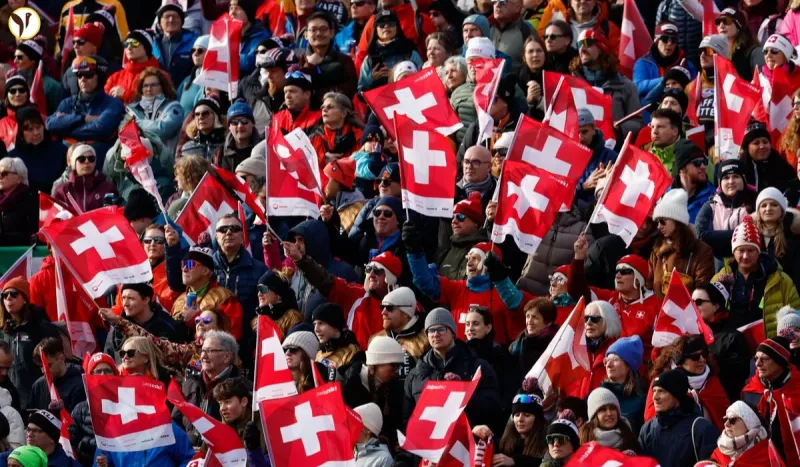
Switzerland has rejected a major proposal that aimed to make the country's traditional neutrality rules much stricter.
In the nationwide referendum held on September 27, 2026, 70.15% of voters rejected the Swiss Neutrality Initiative, while 29.85% supported it.
The proposal was also rejected in all 26 Swiss cantons. Official figures show voter participation at 47.06%.
The result means Switzerland will not add the proposed stricter definition of neutrality to its Constitution.
But what exactly was the plan, and why did voters reject it?
What Was The Swiss Neutrality Plan?
The proposal was officially known as the “Safeguard Swiss Neutrality” initiative.
Its main goal was to give Switzerland a much stricter constitutional definition of neutrality.
The initiative wanted Switzerland's neutrality to be described as perpetual and armed.
It also proposed stronger limits on Switzerland's involvement with military alliances and on the use of economic sanctions against countries involved in wars.
Supporters argued that Switzerland's traditional neutral position should not become weaker because of closer cooperation with European countries and NATO.
Opponents argued that the proposal would reduce the government's ability to respond to changing international security situations.
What Did The Proposal Want To Change?
The proposal contained several important changes.
Stricter Military Neutrality
The initiative wanted Switzerland to avoid joining or cooperating with military and defence alliances.
There would have been an exception if Switzerland itself was attacked or an attack appeared imminent.
Switzerland is not a NATO member, but it has cooperated with the alliance for around three decades.
The proposed constitutional rules would have placed stronger limits on that cooperation.
Tougher Rules On Sanctions
The proposal also wanted to restrict Switzerland's ability to impose sanctions on countries involved in wars.
Under the proposed rules, sanctions would generally have been limited unless they were connected to United Nations measures or certain measures designed to prevent sanctions from being bypassed.
This part became especially important because Switzerland has adopted many European Union sanctions against Russia following Russia's invasion of Ukraine.
Neutrality In The Constitution
The initiative wanted the stricter interpretation of neutrality to become part of Switzerland's constitutional framework.
That would have made future governments less flexible when dealing with international conflicts and security partnerships.

Why Did 70% Of Swiss Voters Reject The Plan?
There was no single reason that explains every voter's decision.
However, the main debate was about how Switzerland should practise neutrality in today's changing security environment.
The Swiss government and most major political parties opposed the initiative.
They argued that the proposed rules could reduce Switzerland's ability to cooperate with other countries on security issues and respond to international developments.
The government has maintained that neutrality can exist alongside cooperation with other countries and the ability to impose sanctions.
The final result showed that voters across the country did not approve the proposed constitutional changes.
Switzerland's Current Neutrality Is Not Ending
The referendum result does not mean Switzerland is abandoning neutrality.
Instead, voters rejected an attempt to make neutrality more restrictive.
Swiss neutrality remains part of the country's constitutional and international framework.
The Swiss government says neutrality helps protect the country's security and independence while allowing Switzerland to provide diplomatic and humanitarian services.
It also says Switzerland can work with other countries to strengthen its security while remaining neutral.
So the key difference is between neutrality itself and the proposed stricter definition of neutrality.
Why Was Russia And Ukraine Part Of The Debate?
The issue became more important after Russia's invasion of Ukraine.
Switzerland adopted European Union sanctions against Russia, while continuing to describe itself as a neutral country.
Supporters of the initiative argued that taking such measures showed Switzerland was moving away from its traditional neutrality.
Opponents took a different view.
They argued that neutrality does not require Switzerland to ignore violations of international law or give up all cooperation with other countries.
This disagreement became one of the central issues in the referendum campaign.
What About NATO?
Switzerland is not a NATO member.
However, the country has cooperated with NATO for many years.
The proposed neutrality rules would have restricted cooperation with military and defence alliances unless Switzerland itself was facing an attack or an imminent attack.
The rejection of the initiative therefore leaves the government with greater room to continue existing forms of international security cooperation.
Swiss Referendum Result At A Glance
|
|
|
|
|
|
|
|
|
|
|
|
|
|
|
|
|
|
|
|
|
|
|
|
|
|
|
|
|
|
|
|
|
Official Swiss results show 1,854,767 No votes against 789,130 Yes votes.
How Did Different Parts Of Switzerland Vote?
The rejection was broad across Switzerland.
According to official results, the proposal failed in every canton.
There were still regional differences in the size of the No vote.
For example:
- Zurich: 74.47% No
- Bern: 73.35% No
- Geneva: 66.58% No
- Ticino: 51.75% No
- Basel-Stadt: 79.91% No
- Neuchâtel: 75.58% No
Ticino recorded the closest result among the cantons, but the initiative still failed there.
What Did The Vote Mean For Switzerland's Government?
The result leaves the Swiss government with its existing approach to neutrality.
The government can continue to interpret neutrality with some flexibility while maintaining international cooperation.
This includes cooperation with other countries on security issues and the ability to adopt sanctions when the government considers them compatible with Switzerland's neutrality.
The referendum therefore did not create a new foreign-policy system.
Instead, it rejected a proposed constitutional change that would have narrowed the government's room for action.
Why Was The Vote Important?
Switzerland has been known around the world for its policy of neutrality.
That neutrality has a long history and has played an important role in the country's foreign policy.
But modern security issues have created new questions.
The Russia-Ukraine war, European sanctions, NATO cooperation and changing security conditions have all raised debates about what neutrality should mean today.
The September 27 vote was therefore about more than one constitutional amendment.
It was also a public vote on how much flexibility Switzerland should retain when dealing with future international crises.
What Happens After Switzerland Rejects The Plan?
The proposed constitutional changes will not take effect.
Switzerland will continue under its existing constitutional framework.
The government retains the ability to cooperate internationally within the country's neutrality policy.
The vote may also continue the wider political debate about how Switzerland should balance neutrality, sanctions and international security cooperation.
The group behind the initiative has suffered a clear electoral defeat, while the Swiss government's existing approach has received support through the referendum result.
Timeline Of The Swiss Neutrality Debate
|
|
|
|
|
|
|
|
|
|
|
|
|
|
|
|
|
|
|
|
|
|
|
|
What Does The Result Mean For Russia Sanctions?
One important consequence is that Switzerland has not constitutionally restricted itself from adopting sanctions in the way proposed by the initiative.
The current framework allows Switzerland to adopt sanctions while considering its neutrality and international obligations.
The proposed initiative would have imposed tighter limits.
Because voters rejected it, those proposed restrictions will not become part of the Constitution.
What Does The Result Mean For NATO Cooperation?
The vote also means the proposed constitutional restrictions on cooperation with military alliances will not come into force.
Switzerland remains outside NATO.
However, it can continue existing forms of cooperation within the framework of its neutrality policy.
The referendum therefore did not make Switzerland a NATO member or change its status as a neutral country.
Was The Vote A Rejection Of Swiss Neutrality?
No.
This is an important point.
The result should not be interpreted as Swiss voters rejecting neutrality itself.
The initiative was about making neutrality stricter and more detailed in the Constitution.
Switzerland's neutrality remains an important part of its foreign policy.
What voters rejected was the proposed new constitutional framework for applying that neutrality.
Questions readers ask
Did Switzerland reject the new neutrality plan?
Yes. Swiss voters rejected the Neutrality Initiative on September 27, 2026.
What percentage of Swiss voters said No?
70.15% of voters voted No, according to official results.
How many Swiss voters supported the proposal?
Around 29.85% voted Yes.
What was the Swiss Neutrality Initiative?
It was a proposal to make Switzerland's neutrality stricter by adding stronger constitutional rules on military alliances, international conflicts and sanctions.
Did all Swiss cantons reject the plan?
Yes. The initiative was rejected in all 26 cantons.
Is Switzerland still neutral?
Yes. The referendum did not end Swiss neutrality. It rejected the proposed stricter constitutional definition.