


Pakistani actor-singer Ali Zafar has publicly called out the wave of online body-shaming directed at his former co-star Katrina Kaif, after trolls compared her recent public appearance to older photographs. In a video message that surfaced this week, Zafar didn't just defend Kaif he turned the criticism back on the men doing the trolling, asking them to "look within" before commenting on a woman's body. His closing line, "let her live, and you live your life," has since become the headline moment of the exchange.
This is not a one-off remark. It's the latest flashpoint in a recurring, uncomfortable pattern in Indian celebrity culture: a woman becomes a mother, reappears in public, and is immediately measured against her pre-pregnancy self. What makes this instance notable is who spoke up, how directly he named the double standard, and what it signals about how public figures this time a male co-star rather than only female peers are starting to respond.
What Happened: A Timeline
Katrina Kaif and husband Vicky Kaushal welcomed their first child, a son named Vihaan, on November 7, 2025, following a pregnancy the couple had announced on September 23, 2025. Since then, Kaif has kept a deliberately low public profile a choice that made her recent appearances stand out all the more.
|
|
|
|
|
|
|
|
|
|
|
|
|
|
|
|
|
|
|
|
|
|
|
|
|
|
|
|
|
|
|
|
The pattern is clear: this wasn't an isolated incident but the second time in a matter of weeks that Kaif's postpartum appearance became a subject of public commentary, and the second time a fellow actor stepped in to push back.
The Trigger: A Rare Public Appearance
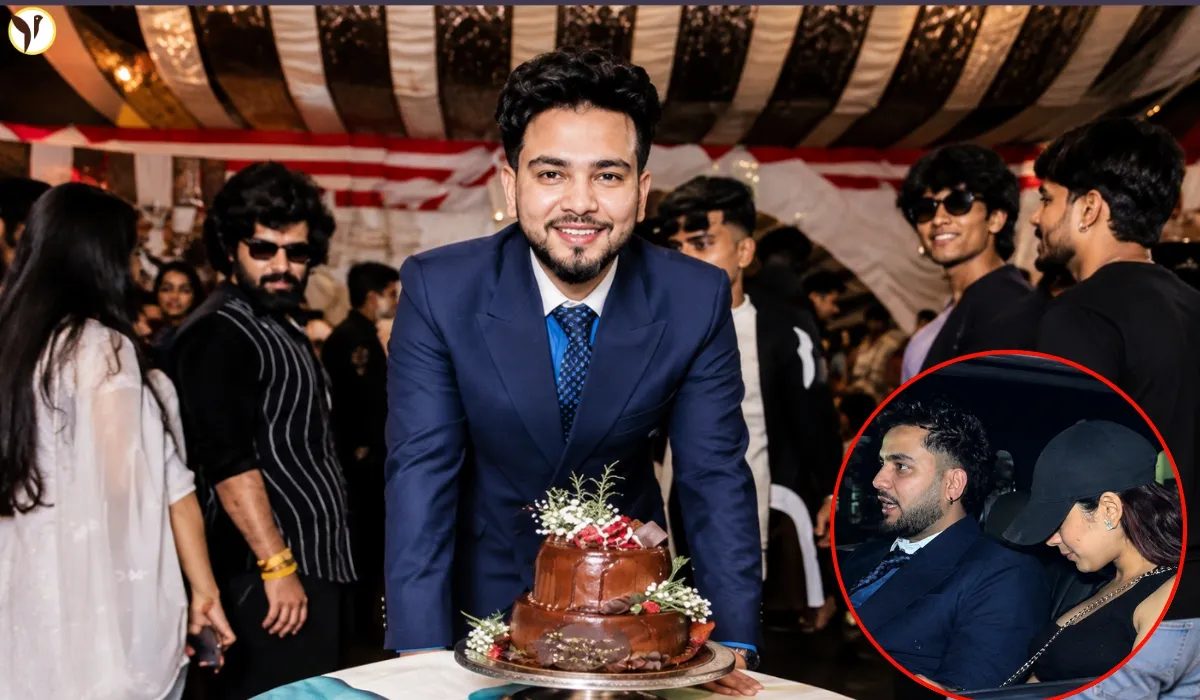
Kaif's appearance at the Ambanis' Ganpati celebration alongside Kaushal was, by most accounts, an unremarkable social outing the kind of event Bollywood A-listers attend routinely. But because it came after months of Kaif staying out of the spotlight post-childbirth, photographs and videos from the event were quickly picked apart online. Users began posting side-by-side comparisons of her current look against pictures from years earlier, with some comments framed as concern and others as outright mockery. One user's comment "I can't tolerate this look of Katrina" captured the tone of a broader pile-on that followed.
It's worth naming plainly what this is: postpartum body-shaming, a specific and well-documented strain of online harassment that targets women in the months and years after childbirth, when physical and hormonal changes are still settling. Public figures are far from immune arguably more exposed, since every appearance is photographed and dissected.
Ali Zafar's Response, In His Own Words
Zafar, who played Kaif's on-screen brother-in-law in the 2011 film Mere Brother Ki Dulhan, addressed the criticism directly in a video that circulated widely this week. He said he had noticed "numerous posts and remarks evaluating how Kaif looked in the past against her present appearance," and chose to speak up rather than stay silent.
His core message centered on self-accountability among men specifically:
"We all need to look within ourselves. Especially as a man, if I am speaking about this, I think it is very important for us to look within ourselves and make the necessary corrections. We have all made mistakes in life; no one is perfect. But it is important to recognise those mistakes and correct them."
He went further, framing the trolling as symptomatic of a broader "privilege" men assume when evaluating women's bodies, before closing with the line that gave the moment its headline:
"Every woman has their life, what she has gone through, what her past, present or future, let her live, and you live your life."
Zafar also noted this wasn't the first time he had spoken against appearance-based trolling he referenced having done so previously when Pakistani actor Mahira Khan and other colleagues faced similar criticism, framing his intervention as part of a consistent stance rather than a one-time reaction to this particular controversy.
Why It Matters: Beyond a Single Celebrity Spat
It's tempting to file this under routine celebrity gossip, but three things make it worth a closer look.
1. The gender dynamic of who is speaking up. Much of the public pushback against body-shaming online has historically come from other women friends, co-stars, fans. Zafar's intervention is notable specifically because he frames the correction as a responsibility for men, not a defense mounted on Kaif's behalf by other women. That reframing "as a man, I need to look within" is a meaningfully different rhetorical move than the more common "be kind to women" appeal.
2. It exposes a recurring, structural issue, not a one-off. This is the second body-shaming cycle Kaif has faced within weeks first after the Kuku Kohli prayer meet in August, and now after the Ganpati event. That repetition suggests audiences (and platforms) are treating a new mother's public appearances as recurring content for scrutiny, rather than isolated moments.
3. It reflects a slow but real shift in celebrity culture. Increasingly, male actors not just female peers are choosing to publicly name body-shaming as a problem rather than staying silent or leaving the response entirely to the woman being targeted. Whether this represents a durable cultural shift or a series of isolated, admirable statements is genuinely unclear, and readers should treat it as the latter until a pattern across more public figures emerges.
What Happens Next
A few threads are worth watching:
- Katrina Kaif's own response, if any. As of this writing, Kaif has not issued a personal statement addressing the trolling or Zafar's comments. Given her pattern of staying largely private since childbirth, a direct response may not come at all silence, in this context, is itself a data point.
- Whether the conversation extends beyond this incident. Shivaleeka Oberoi's earlier defense of Kaif in August and Zafar's response now suggest a loose, informal solidarity network among actors reacting each time this happens. Whether that becomes more organized for instance, industry bodies or platforms taking a formal stance on postpartum body-shaming remains to be seen.
- Kaif's professional plans. Several outlets have floated speculation about a potential on-screen comeback, including a possible role in a sequel to Chandni Bar. This remains unconfirmed speculation and should not be treated as a reported fact no studio, production house, or Kaif herself has confirmed any such project at the time of writing.