No SIM, No WhatsApp? New Government Rules May Change How You Chat From January 1
India’s new SIM binding rules may change how WhatsApp and Telegram work from January 1, 2027. Know the deadline, affected apps and what users should do.

- Published
- Reading time
- 9 minutes
If you use WhatsApp or Telegram every day, a new government rule could change how you access these messaging apps from January 1, 2027.
India’s Department of Telecommunications (DoT) has directed certain messaging and communication platforms to keep their services linked to the active SIM card associated with a user's registered mobile number. The compliance deadline has been extended to December 31, 2026.
The requirement is known as SIM binding. It is intended to prevent fraudsters from misusing Indian mobile numbers to operate messaging accounts even when the original SIM card is no longer present in the device.
The change could matter to people who use WhatsApp on a phone without the registered SIM, rely on Wi-Fi-only devices or access messaging accounts across multiple devices.
However, this does not mean that everyone will suddenly lose access to WhatsApp on January 1. The actual impact will depend on how the affected platforms implement the requirements and how users have set up their accounts.
Here is everything you need to know about the new SIM binding rules, the apps covered by the government’s directions and what users should do before the deadline.
What Is the New SIM Binding Rule?
SIM binding means linking a messaging account to the active SIM card associated with the mobile number used to register that account.
Under the DoT's directions, covered communication apps must remain linked to the relevant SIM installed in the user's device. The rules are intended to prevent people from continuing to use certain accounts on a device when the registered SIM is no longer present.
For example, suppose you register WhatsApp using your Indian mobile number. If you later remove that SIM and continue using the account on the same phone, the new requirement could affect your access.
The exact experience will depend on the app's implementation and the circumstances of the device.
The government says the measure is necessary because some accounts can continue operating even after the associated SIM has been removed, deactivated or moved elsewhere. This can make it easier for criminals to misuse Indian phone numbers for online scams.
When Will the New WhatsApp SIM Rules Start?
The compliance deadline for the SIM binding directions is December 31, 2026.
This means January 1, 2027, is being cited as the expected start of the new arrangements for users, subject to implementation by the affected platforms.
The timeline is important because the original deadline was earlier. The government subsequently extended it after technical and operational concerns were raised.
Important Dates at a Glance
|
|
|
|
|
|
|
|
|
|
|
|
Users should watch for further announcements from the government and the relevant messaging platforms.
Why Is the Government Introducing SIM Binding?
The main reason is cyber fraud prevention.
According to the Department of Telecommunications, some messaging services allowed accounts to remain active even when the SIM linked to the registered mobile number was no longer available in the device.
The government believes criminals can misuse this gap to operate accounts remotely, including from outside India.
SIM binding is intended to make the connection between a registered mobile number and the device using the messaging account more reliable.
The measure is aimed at reducing the misuse of Indian telecom identifiers in activities such as:
- Impersonation scams
- Phishing messages
- Fake customer-care messages
- Investment fraud
- Digital arrest scams
- Fraudulent calls and messages using Indian numbers
However, SIM binding alone cannot prevent every online scam. Users will still need to be careful about suspicious links, unknown callers and requests for money or personal information.
Which Apps Could Be Affected by the New Rules?
The original DoT directions covered several app-based communication services that use Indian mobile numbers to identify users or provide their services.
The listed services included:
- Telegram
- Snapchat
- Signal
- Arattai
- ShareChat
- Josh
- JioChat
The rules apply to services covered by the government's directions. The implementation status and practical effect may differ across platforms.
Users should not assume that every app will behave in exactly the same way. Check official announcements from the relevant platform for information about its compliance and any changes to its features.
Will WhatsApp Stop Working If You Remove Your SIM Card?
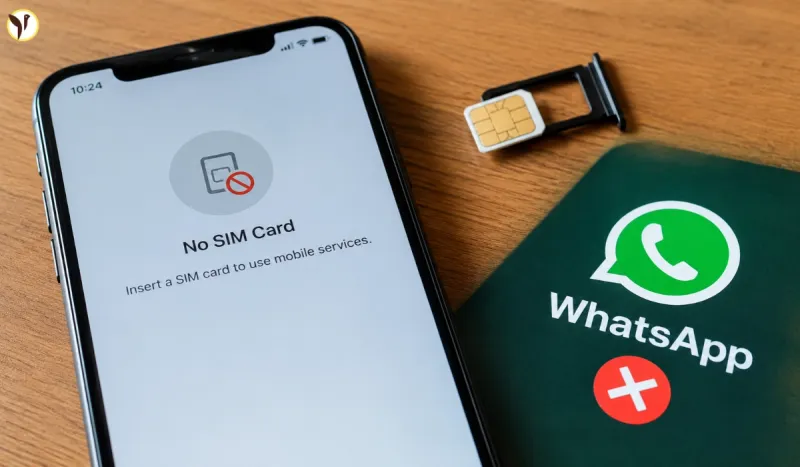
The new rule could affect users who remove the SIM associated with their WhatsApp registration while continuing to use the account on that device.
Under the SIM binding requirement, the covered service must remain linked to the relevant active SIM.
This means users who depend on WhatsApp on a phone without the registered SIM may need to change how they use the service.
For example, you may face access problems if:
- You use WhatsApp on a spare phone without its registered SIM.
- You remove the registered SIM but continue using the account over Wi-Fi.
- You move your SIM to another device and expect the original device to keep working in the same way.
- Your registered SIM is deactivated and you continue using the associated account.
These are possible situations to consider, not a guarantee that every user will experience the same problem.
If you normally use WhatsApp on the phone that contains your registered, active SIM, the rule may require little change to your daily routine.
Will WhatsApp Work on Wi-Fi Without a SIM?
This is one of the biggest questions users have about the new rule.
At present, people can use internet-based messaging services over Wi-Fi. However, the SIM binding requirement is designed to ensure that the relevant active SIM remains available in the device running the covered app.
Therefore, a Wi-Fi connection alone may not be enough if the required registered SIM is missing.
For example, someone who uses WhatsApp on a Wi-Fi-only phone or a spare smartphone without the original SIM could be affected.
The exact way an app checks for the SIM and handles a missing SIM will depend on its implementation.
Users should wait for official guidance from their messaging provider rather than relying on social media claims about specific devices.
What About WhatsApp Web and Desktop?
The government has also issued directions concerning web-based versions of covered messaging apps.
The original directions included periodic logout requirements for web sessions. However, the government later revised the approach, and a fixed six-hour logout period is no longer specified under the updated approach reported by the government.
Instead, web sessions are to be logged out based on risk-based analysis, with action required in suspected fraud situations.
This means users should not assume that WhatsApp Web will automatically log everyone out every six hours.
The practical effect will depend on the platform's implementation and the applicable security checks.
If you use WhatsApp Web or a desktop application for work, watch for official notices about device linking, verification and session security.
Will the New Rule Affect iPhone and Android Users?
The requirement concerns covered messaging services and the SIM associated with the registered mobile number. It is not simply a rule for one smartphone brand.
Both Android and iPhone users may need to consider how they use the affected apps if their registered SIM is not present in the device.
However, technical implementation can differ between operating systems and apps.
Users should install official software updates, keep their apps updated and follow instructions provided by their messaging platforms.
Do not install unknown applications or unofficial updates claiming to bypass SIM binding. Such downloads can create additional security risks.
What Should WhatsApp Users Do Before January 1, 2027?
Most users do not need to panic or stop using messaging apps. A few simple checks can help them prepare.
Step 1: Check Which Number Is Registered
Open WhatsApp and check the phone number associated with your account.
Make sure you know which SIM and mobile number were used during registration.
Step 2: Keep the Registered SIM Active
If you continue using that number, keep the SIM active and in your regular phone where required.
If you are planning to discontinue the number, check the official account-transfer process before doing so.
Step 3: Review Your Other Devices
Think about whether you use WhatsApp on a spare phone, tablet or other device without the registered SIM.
If you rely on such a setup, watch for instructions from the platform about how the new rules will affect linked devices.
Step 4: Keep Apps Updated
Install updates through official app stores.
Updates may contain changes needed for compliance, security or account verification.
Step 5: Watch for Official Announcements
Follow the Department of Telecommunications and the relevant messaging app's official help pages for the latest instructions.
Avoid forwarding unverified messages that claim your WhatsApp account will be permanently deleted on January 1.
Step 6: Protect Your Account
Never share your one-time password, verification code or account PIN with another person.
SIM binding is intended to improve security, but users must still protect their accounts against phishing and impersonation.
Will Users Have to Buy a New SIM Card?
The directions do not mean that every user must buy a new SIM card.
The key requirement is the connection between the messaging account and the relevant active SIM associated with the registered number.
If your existing number and SIM remain active and meet the app's requirements, you may not need a new SIM.
If you have changed numbers, lost your SIM or stopped using the registered number, check the platform's official account-recovery or number-change process.
Do not purchase a new SIM solely because of rumours on social media.
What Happens If Your SIM Is Lost or Deactivated?
If the SIM associated with your account is lost, damaged or deactivated, you should contact your telecom operator and follow its official process.
If you want to keep the same mobile number, ask your operator about getting a replacement SIM, subject to its verification requirements.
If you no longer have access to the registered number, use the messaging platform's official account-recovery or number-change instructions.
The new rule makes it especially important for users to maintain control of the number associated with their messaging accounts.
Could the New Rules Make Messaging Safer?
The government's stated objective is to reduce the misuse of Indian mobile numbers in cybercrime.
If implemented effectively, SIM binding could make it harder for some criminals to operate accounts without access to the associated SIM.
However, it is not a complete solution to online fraud.
Scammers may still use compromised accounts, stolen devices, social engineering or other methods to deceive people.
Users should continue to follow basic safety practices:
- Do not share OTPs or verification codes.
- Avoid clicking suspicious links.
- Verify requests for money, even if they appear to come from friends or relatives.
- Never trust a caller merely because they claim to represent a government department or bank.
- Report suspected cyber fraud through official channels.
What Should Businesses and People Working Remotely Know?
People who use messaging apps for work may rely on multiple devices, desktop sessions or phones without their registered SIM.
They should review their current setup before the compliance deadline.
Businesses can also remind employees to keep their registered numbers active, follow official app instructions and use approved account-recovery procedures.
However, organisations should avoid making changes based only on rumours. The relevant app's official guidance will be important for understanding how linked devices and business workflows are affected.
Questions readers ask
What is the new WhatsApp rule from January 1, 2027?
The SIM binding requirement directs covered messaging apps to remain linked to the active SIM associated with the user's registered mobile number. January 1, 2027, is the expected start date following the December 31, 2026, compliance deadline.
Will WhatsApp stop working without a SIM card?
The rule could affect access when the registered SIM is missing from the device running the covered app. The exact result will depend on how WhatsApp implements the requirement.
Why is the government introducing SIM binding?
The government says the measure will help prevent cyber fraud and misuse of Indian mobile numbers by people operating messaging accounts without the associated SIM.
Which apps are covered by the directions?
The original directions listed WhatsApp, Telegram, Snapchat, Signal, Arattai, ShareChat, Josh and JioChat. Users should check official announcements for the latest implementation details.
Will WhatsApp work over Wi-Fi without the registered SIM?
Wi-Fi alone may not be enough if the required registered SIM is missing from the device. Users who depend on Wi-Fi-only or spare phones should check official platform guidance.