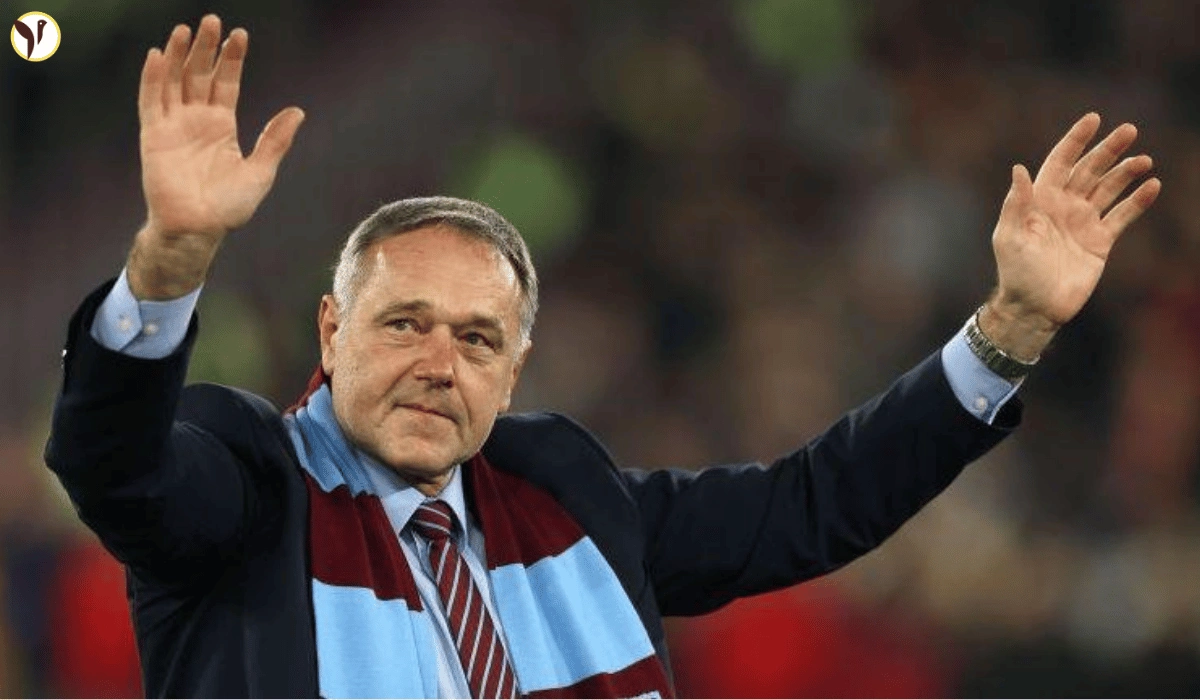


Luděk Mikloško has died at the age of 64.
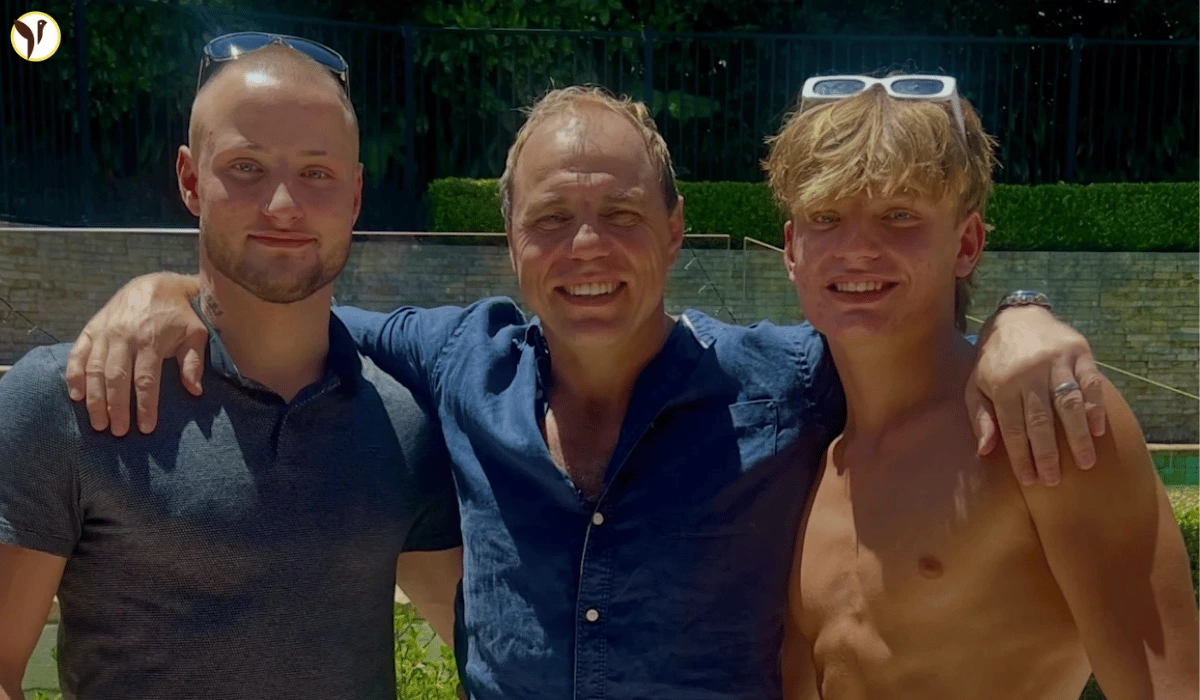
The news came in a statement from his son Martin, shared by West Ham United, saying the family was heartbroken to announce his passing after a brave and courageous battle with cancer.
What makes the statement unusual is who it was written for.
A message to the supporters
Most family statements announce a death and ask for privacy. This one did something else. Martin Mikloško used most of it to thank people.
He thanked West Ham supporters, and everyone at the club, for the kind wishes, thoughts and prayers sent to his father during his illness. He said the messages from former teammates and from fans had been a huge source of comfort, and that they gave his father the strength not to give up, and to keep fighting for as long as he could.
He said the family takes comfort in knowing his father is now at peace and no longer suffering.
And then a line that will land hardest with anyone who stood on the terraces at Upton Park: his dad simply loved West Ham United, and especially loved hearing his name sung, loud and proud, at every game.
They sang it as "Ludo". They sang it for years while he played, and they sang it again when he came back as a coach, and his son is telling you that it reached him.
There is something worth sitting with in that. Football chants can feel like nothing much — a noise a crowd makes on a Saturday. A family has just said, in the week they lost him, that it was one of the things that kept a dying man going.
He had stopped treatment nearly two years ago
In December 2024, Mikloško announced that he was withdrawing from further cancer treatment.
He lived for close to another two years after making that decision.
That is not a small detail, and it gives the statement's language about strength and not giving up a specific meaning rather than a general one. He had been told, and had accepted, what was coming. He kept going anyway, for a long time.
What he did on the pitch
Mikloško was born on 9 December 1961 in Prostějov, in what was then Czechoslovakia. He stood 1.96 metres tall six foot five which made him a formidable presence in a penalty area in an era when goalkeepers were given a great deal less protection than they are now.
He came through at Baník Ostrava, spent two seasons at Hvězda Cheb, and then returned to Ostrava for eight years and 211 appearances. He was capped 40 times by Czechoslovakia between 1982 and 1992, played at the 1990 World Cup, and later won two further caps for the Czech Republic.
West Ham signed him from Ostrava in December 1990. He stayed for eight years and made 318 appearances, a substantial number for any goalkeeper at one club, and enough to make him part of the furniture at a ground where being accepted is not automatic.
He moved to Queens Park Rangers in October 1998, initially on loan and then permanently, playing another 57 games there before retiring. His senior career totalled 606 club appearances.
Then he came back to West Ham, as a goalkeeping coach. That second act is a large part of why he was still being sung about decades after he last played.
The afternoon they still talk about
For West Ham supporters of a certain age, one performance defines him.
On the final day of the 1994-95 season, Manchester United came to Upton Park needing a win to take the title. Mikloško produced a succession of saves that many who watched it have never stopped describing, West Ham held on for a draw, and Blackburn Rovers were champions.
It is one of the more famous goalkeeping displays in Premier League history, and it was produced by a man in a relegation-threatened side with nothing to play for except the shirt. That afternoon is a fair part of why the singing lasted as long as it did.
What he leaves
A club record of more than 300 games, a country's goal for a decade, a World Cup, and a second career developing the goalkeepers who came after him.
And a family statement that spent its words thanking strangers for singing.
Mikloško is survived by his wife and his son Martin.