What If Gyanesh Kumar Stays? Aaditya Thackeray Backs Protest Against CEC
Aaditya Thackeray backs a proposed October 2 protest if CEC Gyanesh Kumar remains in office. Know what he said, why the protest is planned and what the SIR row is about.

- Published
- Reading time
- 6 minutes
The political controversy around Chief Election Commissioner Gyanesh Kumar has taken another turn.
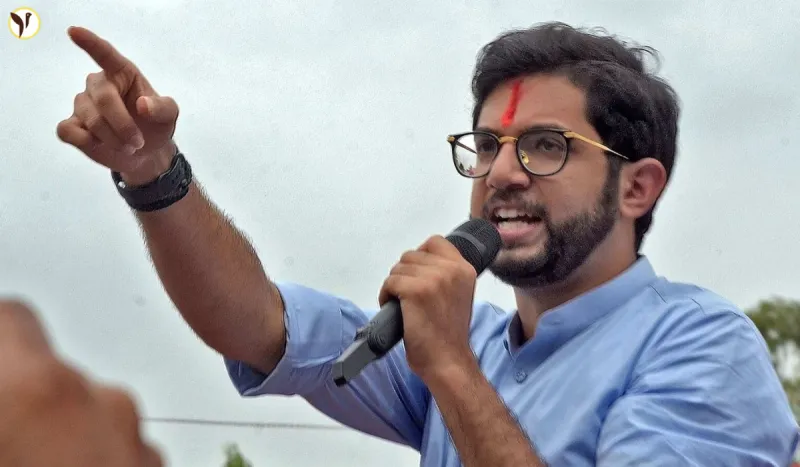
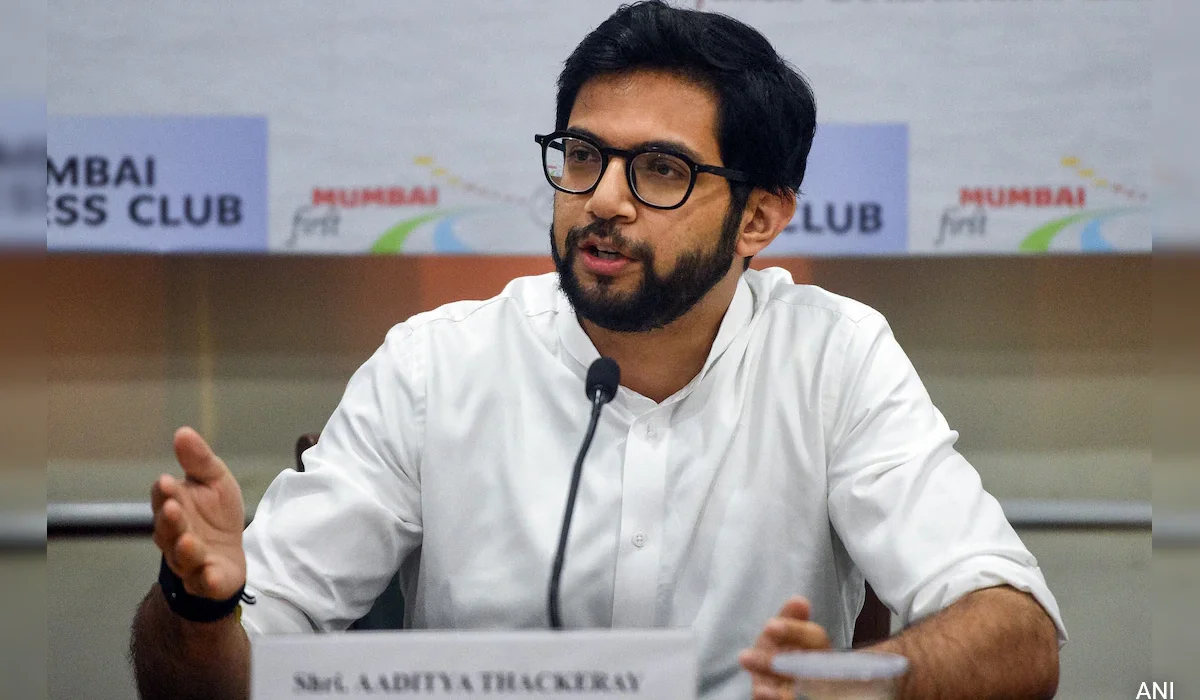
Shiv Sena (UBT) leader Aaditya Thackeray has backed a proposed nationwide protest against Kumar if he does not resign. The protest call was given by Cockroach Janta Party (CJP) founder Abhijeet Dipke.
According to reports published on September 26, Thackeray said Mumbai would come out in large numbers on October 2 if Gyanesh Kumar continues as CEC. His statement came amid the ongoing political dispute over the Election Commission's functioning and the Special Intensive Revision (SIR) of electoral rolls.
The development comes at a time when Opposition parties have been demanding action against Kumar, while some NDA allies have separately asked the Election Commission to publicly clarify questions surrounding the electoral process.
What Did Aaditya Thackeray Say?
Aaditya Thackeray responded to Abhijeet Dipke's protest announcement on social media.
He backed the October 2 protest and said Mumbai would participate in large numbers if Gyanesh Kumar remained in the post.
The statement used the phrase "Vote Chori", a term being used by Opposition leaders in their criticism of the electoral process.
However, it is important to note that allegations of electoral wrongdoing are political claims and are being disputed by the Election Commission.
Thackeray's latest intervention adds another prominent Opposition voice to the planned protest campaign against the CEC.
Why Is The Protest Being Planned?
The proposed protest is linked to the wider controversy surrounding the Election Commission and SIR.
On September 24, The Indian Express reported that Election Commissioners Sukhbir Singh Sandhu and Vivek Joshi had recorded objections or dissent at least 14 times over a period of 10 months on several matters related to the functioning of the poll panel.
The reported issues included voter-roll decisions, changes connected with Form 6, voter deletion and restoration, and aspects of the centralisation and management of electoral data.
These reports triggered a fresh political debate over the functioning of the three-member Election Commission.
Opposition parties have used the reports to demand action against Gyanesh Kumar.
At the same time, the ECI's position has been that differences, observations and technical suggestions can form part of institutional deliberations and that official decisions, including SIR-related decisions, were taken through the Commission's decision-making process.
Who Started The October 2 Protest Call?
The October 2 protest call was announced by Abhijeet Dipke, founder of the Cockroach Janta Party.
According to Hindustan Times, Dipke said that if Gyanesh Kumar did not resign, his organisation would begin a nationwide protest from Mumbai on October 2, which is Gandhi Jayanti.
The planned protest is being presented by the organisers as a campaign over the electoral process and their demand for Kumar's resignation.
Aaditya Thackeray's support gives the proposed protest additional political visibility, particularly in Mumbai.
What Happens If Gyanesh Kumar Stays?
The immediate question raised by the latest development is what happens if Gyanesh Kumar continues as Chief Election Commissioner.
Based on the statements reported so far, the political response could include more protests and continued demands for his resignation.
The planned October 2 protest is one such development. But the actual size, spread and nature of any protest will depend on participation and further announcements by political groups and organisers.
There is currently no official indication that Kumar has resigned.
Therefore, the situation remains politically active rather than settled.
Why Is SIR At The Centre Of The Controversy?
Special Intensive Revision (SIR) is a process related to the revision and verification of electoral rolls.
The current controversy has expanded beyond the technical process itself because Opposition parties have raised questions about how electoral-roll decisions were taken.
The reported objections by two Election Commissioners have added another layer to the debate.
According to the Indian Express report, the objections covered several issues, including voter registration, deletion and restoration of names and changes involving electoral systems.
The Election Commission, however, has maintained that the Commission's official decisions were taken through its institutional process.
This difference between the Opposition's allegations and the ECI's position is an important part of understanding the current row.
Opposition Parties Have Demanded Action Against CEC
Aaditya Thackeray's statement comes after several Opposition leaders publicly demanded action against Gyanesh Kumar.
The Indian Express reported that Opposition parties including the Congress, AAP, TMC and Samajwadi Party called for Kumar's removal and raised demands for investigation and a halt to the SIR exercise.
Shiv Sena (UBT) chief Uddhav Thackeray has also demanded Kumar's removal and action against him.
Congress has organised protests in different parts of the country over the issue. Hindustan Times reported that Congress protests were held in Delhi and several states and Union Territories, with protesters demanding Kumar's resignation and other forms of action.
The Issue Is Also Creating Questions Within The NDA
The controversy is not limited to Opposition parties.
LJP (Ram Vilas) leader Chirag Paswan has asked the Election Commission to clearly explain its position because questions have emerged among the public.
Rashtriya Lok Manch chief Upendra Kushwaha has also called for clarification from the Election Commission.
This is significant because the demands from these NDA allies are framed around clarification and public confidence rather than simply repeating Opposition demands.
The latest political situation can therefore be understood through three different responses:
|
|
|
|
|
|
|
|
|
|
|
|
October 2 Protest: What We Know So Far
|
|
|
|
|
|
|
|
|
|
|
|
|
|
|
|
|
|
|
|
|
|
|
|
|
|
|
The October 2 date is important because it falls on Gandhi Jayanti, and the organisers have linked the planned mobilisation to a broader campaign over electoral accountability.
Why Aaditya Thackeray's Support Matters
Aaditya Thackeray's statement brings the issue into Maharashtra's political space, especially Mumbai.
The proposed protest is not only about the CEC's position. It is part of a much wider political argument over the Election Commission, SIR and public confidence in the electoral process.
His support does not itself change the legal or constitutional position of the CEC. It does, however, add political backing to the protest announced by Dipke.
Whether this support results in a large mobilisation on October 2 will only become clear closer to the date.
What Has The Election Commission Said?
The Election Commission has rejected the suggestion that differences in internal deliberations automatically mean that the Commission's official decisions were invalid.
According to the ECI's position reported in recent coverage, written observations and differing views can be part of institutional discussion. The Commission has also maintained that official decisions, including those concerning SIR, were taken unanimously.
This is important because the political debate currently contains two different narratives:
Opposition narrative: The reported objections raise questions about how decisions were taken.
ECI position: Internal observations are part of deliberation, while official decisions were taken through the Commission's institutional process.
Readers should distinguish between these claims and established facts while following the ongoing controversy.
Questions readers ask
What did Aaditya Thackeray say about Gyanesh Kumar?
Aaditya Thackeray backed the proposed October 2 protest and said Mumbai would participate in large numbers if Gyanesh Kumar continued as Chief Election Commissioner.
Who has called the October 2 protest?
The protest call was announced by Abhijeet Dipke, founder of the Cockroach Janta Party.
Why are protests being planned against Gyanesh Kumar?
The protests are linked to political demands for Kumar's resignation amid the wider controversy over the Election Commission's functioning and SIR.
What is the SIR controversy?
SIR stands for Special Intensive Revision of electoral rolls. The current political dispute includes questions about the way electoral-roll revision and related decisions were handled.
Did the Election Commission accept the allegations against Gyanesh Kumar?
No. The Election Commission has maintained that differences and observations can occur during internal deliberations and has defended its official decision-making process.