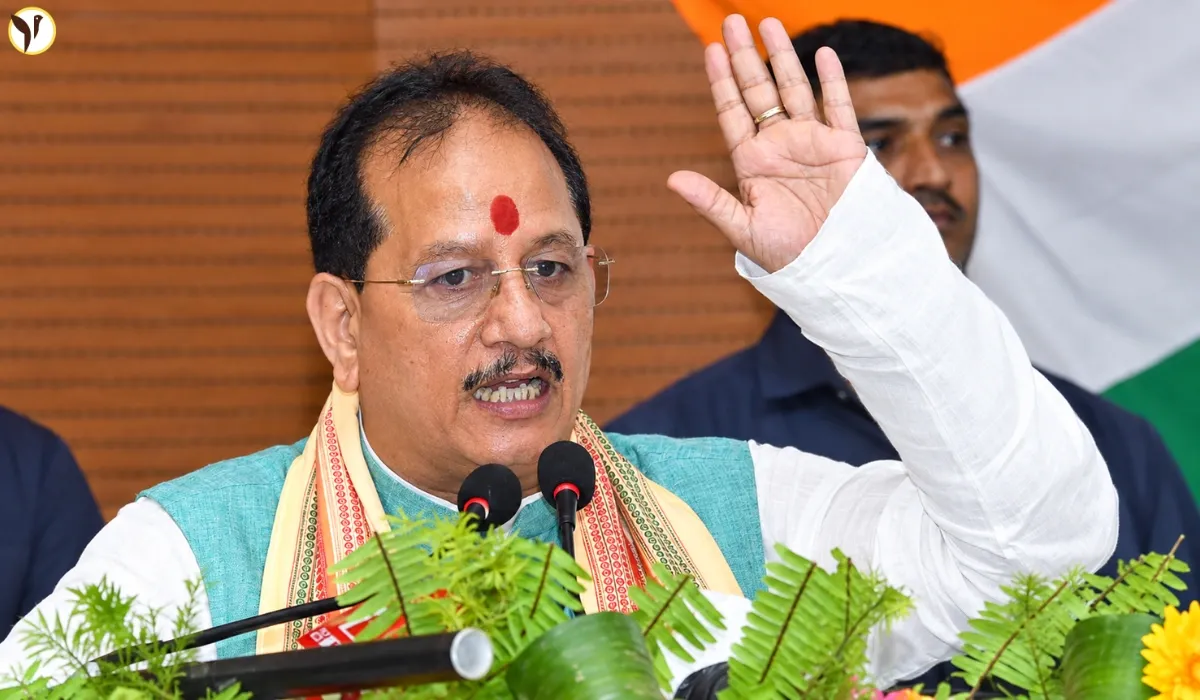
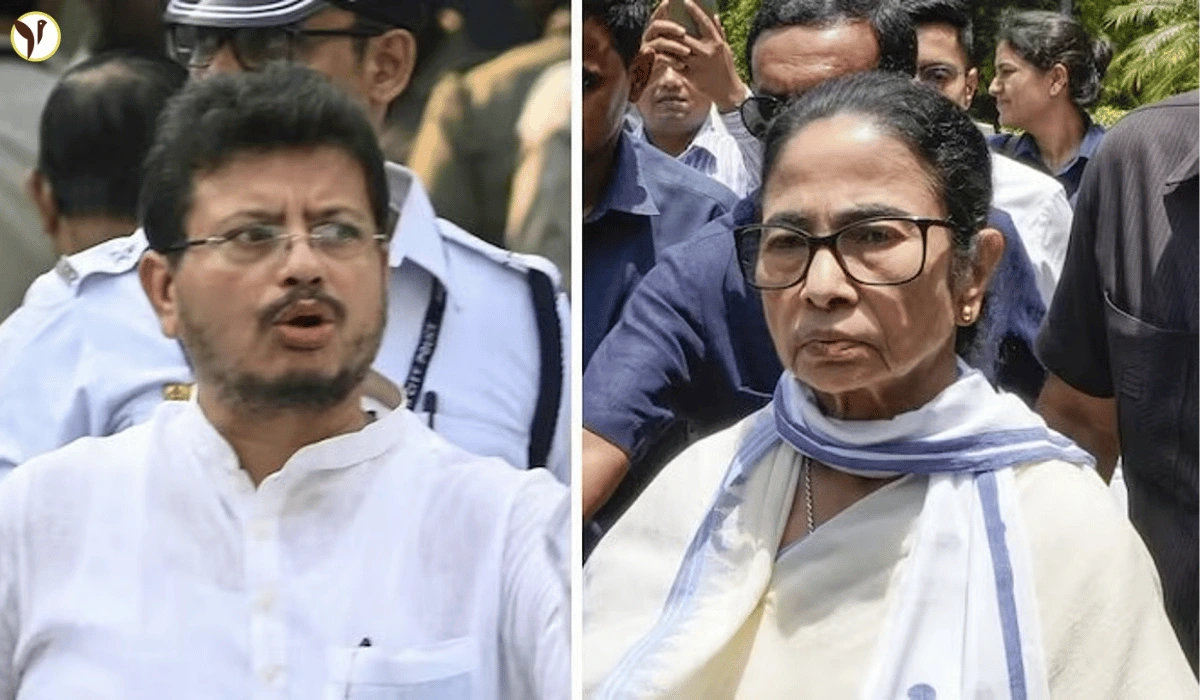


The battle over who controls the Trinamool Congress has entered a crucial phase, with the Election Commission asking the Ritabrata Banerjee-led faction to submit additional documents while representatives of Mamata Banerjee’s camp presented their case before the poll body.
The proceedings are not merely about an internal leadership disagreement. At the centre of the dispute is the right to use the Trinamool Congress name and its well-known twin-flower symbol, making the Election Commission’s eventual decision critical for both factions.
The timing has added urgency to the contest. Assembly bypolls in Nandigram and Rejinagar are scheduled for October 6, while September 16 is the last date for filing nominations. Unless the dispute is resolved quickly, the question of which faction can field candidates under the TMC name and symbol may become a major electoral issue.
Ritabrata Banerjee Camp Asked to Submit More Documents
The Ritabrata Banerjee-led delegation appeared before the full bench of the Election Commission in New Delhi on Saturday and made oral submissions supporting its claim over the party.
Ritabrata Banerjee, who is the Leader of the Opposition in the West Bengal Assembly, said his delegation responded to questions raised by the commission and presented documents during the meeting. After examining the submissions, the poll panel reportedly asked the faction to furnish additional papers before the end of the day.
“We have played our role. We have made our submission. We will be giving some more documents today itself. Now we have to wait for the highest apex body to give a ruling,” Ritabrata said after the meeting.
The faction also requested the Election Commission to decide the matter before the September 16 nomination deadline for the upcoming bypolls. Ritabrata expressed confidence that his group would ultimately secure the party symbol.
The commission has not announced a final decision, and its request for further papers does not indicate that either side’s claim has been accepted or rejected. It suggests that the poll panel is continuing to examine the competing organisational and legislative claims before reaching a conclusion.
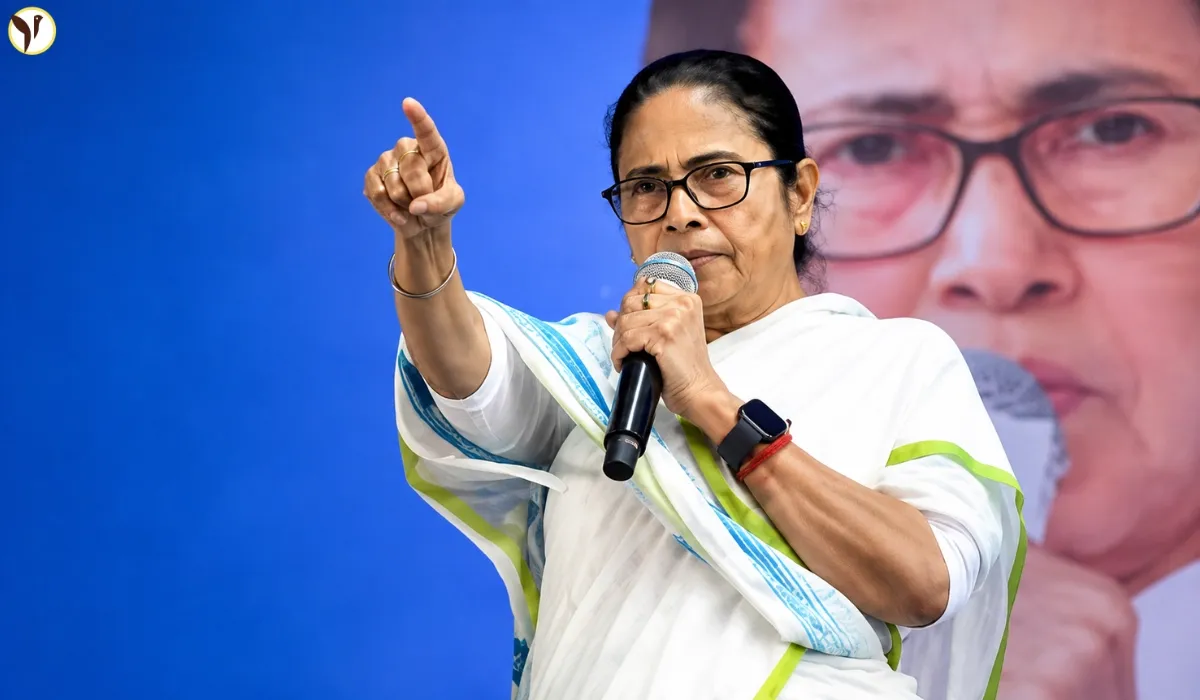
Mamata Banerjee’s Camp Presents Its Case
A five-member delegation representing the Mamata Banerjee-led faction also appeared before the Election Commission to defend its claim over the Trinamool Congress.
The delegation included Derek O’Brien, Kalyan Banerjee, Sagarika Ghose, Saket Gokhale and advocate Abhinav Singh. The Mamata camp has maintained that it represents the recognised party organisation and that the rival group’s attempt to claim control has no legal or organisational foundation.
Mamata’s faction has challenged the validity of organisational changes announced by the rebel group. It has argued that the terms of the TMC’s existing committees remain valid until 2027, making the rival faction’s appointments and restructuring efforts invalid.
The camp has also questioned whether a group led by leaders expelled from the party can legitimately claim control over the organisation. Its case rests heavily on the authority of the established party structure, its existing office-bearers and the rules contained in the TMC constitution.
With both sides now heard, the commission must examine not only their documents but also the level of support each faction commands within the party’s organisational and legislative wings.
What Triggered the TMC Leadership Dispute?
The internal conflict intensified after the Trinamool Congress lost the West Bengal Assembly election in May 2026. A group of party legislators led by Ritabrata Banerjee subsequently challenged Mamata Banerjee’s control over the organisation.
The rebel faction claimed that it represented the “real TMC” because it had the support of more than two-thirds of the party’s legislators. It also asserted that a majority of councillors and Zila Parishad members were supporting its position.
During a special party session on June 22, the group claimed to have removed Mamata Banerjee as the TMC chairperson and appointed Arup Roy in her place. It later approached the Election Commission and formally staked its claim over the party.
Mamata’s camp rejected those developments, arguing that the rebel meeting and its decisions had no validity under the party constitution. It maintained that control of the legislature party could not automatically be treated as control of the entire political organisation.
That disagreement has now developed into a broader contest over the identity, leadership, name and electoral symbol of one of West Bengal’s most influential political parties.
Why the TMC Name and Symbol Matter
An election symbol is far more than a visual identity. It allows voters to recognise a political party on the ballot and carries years of political history, campaign recognition and voter loyalty.
For the Trinamool Congress, the twin-flower symbol has been closely associated with Mamata Banerjee and the party’s political journey in West Bengal. Losing access to it could create significant organisational and electoral challenges for whichever faction is denied its use.
The Election Commission generally considers the comparative strength of rival factions within a party’s organisational structure and elected legislative bodies. Party constitutions, internal election records, lists of office-bearers, resolutions and declarations of support may all become important evidence.
The commission’s task is to determine which faction can legally claim to represent the recognised political party. Depending on the evidence and the stage of the dispute, it can recognise one faction, freeze the disputed symbol temporarily or make an interim arrangement.
No such decision has been announced in the TMC dispute so far.
Nandigram and Rejinagar Bypolls Add Urgency
The hearings have assumed immediate importance because of the October 6 bypolls in Nandigram and Rejinagar.
Political parties must finalise candidates and complete the nomination process by September 16. If both TMC factions seek to contest the same seats, the dispute over the party name and symbol could directly affect their nominations and campaign strategies.
Nandigram carries particular political significance because of its central role in West Bengal’s recent electoral history. A dispute between rival TMC groups during the bypoll could divide the party’s traditional vote base and reshape the political contest in the constituency.
The Ritabrata faction has therefore urged the Election Commission to provide clarity before nominations close. However, the commission must also ensure that its decision is based on a complete examination of the documents and representations submitted by both sides.
What Happens Next?
The immediate next step is the submission and examination of the additional documents requested from Ritabrata Banerjee’s faction. The Election Commission will also assess the arguments and records presented by Mamata Banerjee’s delegation.
The poll panel may seek further clarification if it finds gaps or contradictions in the claims. Both factions could also be asked to establish the authenticity of membership lists, organisational resolutions and declarations of support submitted before the commission.
Until the Election Commission issues a formal order, neither side can claim that the battle over the party’s identity and symbol has been conclusively settled.
For Mamata Banerjee, the dispute is a test of her continued authority over the organisation she founded. For Ritabrata Banerjee and the rebel legislators, it is an attempt to convert their claimed legislative strength into formal control of the party.
The commission’s ruling could determine not only which faction contests the upcoming bypolls under the TMC symbol but also the future political identity of the Trinamool Congress.